Spadebill
A spadebill is any of six species of New World flycatchers belonging to the family Tyrannidae. These birds are characterized by their distinctively broad…
What is Spadebill?
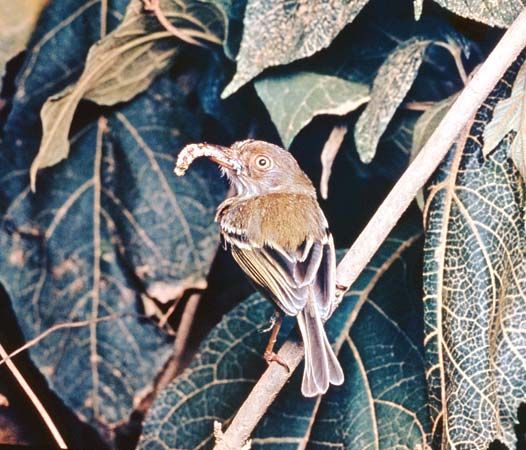
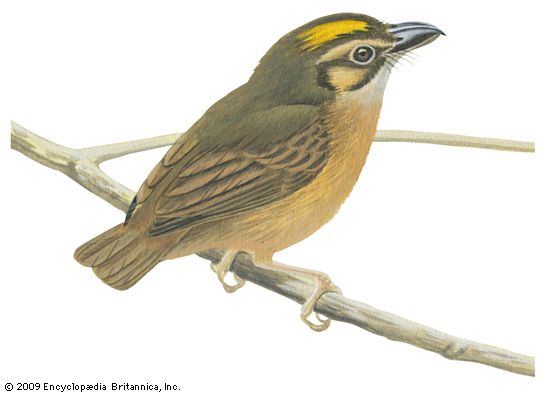
A spadebill is any of six species of New World flycatchers belonging to the family Tyrannidae. These birds are characterized by their distinctively broad, flat, and triangular bills.1
The most widespread member of this group is the white-throated, or stub-tailed, spadebill (Platyrinchus mystaceus). This small bird, which measures only about 10 centimeters (4 inches) in length, is typically found in forest undergrowth across a range extending from southern Mexico to Argentina in South America.1
What are the defining characteristics of tyrant flycatchers?
The tyrant flycatcher family (Tyrannidae) consists of approximately 400 species of aggressive, insect-eating birds native to the Americas. Their defining characteristics include:
- Physical Appearance: They range from 7.5 to 40.5 cm in length. Most are plainly colored in shades of gray, brown, olive, tan, or yellow, though some feature black-and-white patterns. Many possess an erectile crown patch of red or yellow, which is often concealed.2
- Bill Structure: Many species have broad, flattened, and slightly hooked bills with bristles at the base, which assist in capturing insects.23
- Behavior: While many are insectivorous and catch prey on the wing, some species feed on fruit or take larger prey like mice and frogs. Arboreal species typically have weak legs and feet, maintaining an upright posture while perched.23
- Temperament: These birds are notably territorial during the breeding season and are known to aggressively harass larger birds, such as hawks or crows, that enter their space.2
- Vocalization: Their songs are generally simple, often consisting of monotonous whistles or grating, squeaking sounds, though some species produce more melodious songs.2
How does a spadebill’s flat bill help it catch food?
The spadebill’s broad, flat, and triangular bill is a specialized adaptation for its insectivorous diet. As a member of the tyrant flycatcher family, the spadebill utilizes this bill structure to effectively capture prey while in flight.12
For many fly-catching species within this family, the bill is not only broad and flattened but also slightly hooked at the tip. These bills are typically accompanied by rictal bristles—stiff, hairlike feathers located at the base of the bill—which serve as essential aids in the capture of insects on the wing. This combination of a wide gape and sensory bristles allows the bird to successfully seize insects while darting from a perch.24
What other types of birds live in the forest undergrowth?
In the dense undergrowth of forests, many bird species have adapted to life near the ground, where they often rely on sound for communication and forage primarily for insects and fruit. Several families are particularly well-adapted to these strata:7
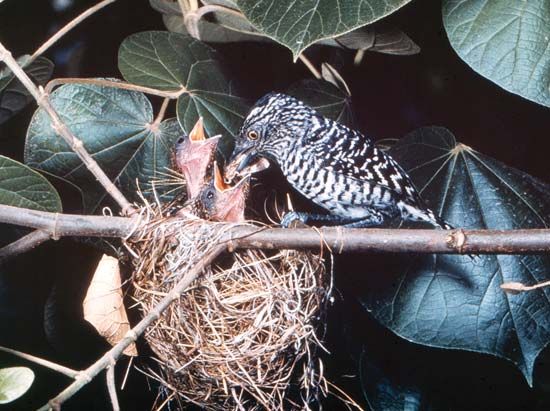
- Antbirds: These insectivorous birds are highly diverse in the American tropics. Many species are known for following swarms of ants to capture insects flushed from cover. They are characterized by their drab plumage, strong legs, and loud, often unmusical voices.89
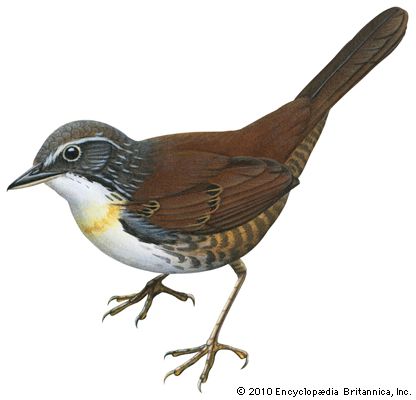
- Tapaculos: This secretive, terrestrial group is found in dense forest undergrowth, scrublands, and grasslands. They possess strong legs and feet, which aid in their terrestrial lifestyle, and are known for their feeble flight.9
- Pittas: These stout-bodied, long-legged birds are largely terrestrial and inhabit the forests and scrublands of the Old World tropics. They are known for their vibrant, loose-webbed plumage.9
- Scrub-birds: Found in Australian scrublands, these birds are largely terrestrial and virtually flightless, with small wings and strong legs.9
- Bowerbirds: While they inhabit forests, these birds are largely terrestrial and are famous for the elaborate structures (bowers) that males build for display and courtship.9
Sources
- Spadebill — Encyclopædia Britannica
- Tyrant flycatcher — Encyclopædia Britannica
- Tyrannidae — Merriam-Webster
- Passeriform - Bill — Encyclopædia Britannica
- Ciconiiform - Bill shape — Encyclopædia Britannica
- Beak — Encyclopædia Britannica
- Antbird — Encyclopædia Britannica
- Passeriform - Annotated classification — Encyclopædia Britannica
- Rainforest — Encyclopædia Britannica
- Tropical rainforest - Fauna — Encyclopædia Britannica
- Temperate forest - Fauna — Encyclopædia Britannica
- Taiga - Birds — Encyclopædia Britannica
- Bird: Top Questions — Encyclopædia Britannica
Published on · 3 min read