Tree of Heaven
The tree of heaven (Ailanthus altissima) is a rapid-growing tree in the Simaroubaceae family native to China. It has been widely naturalized in other…
What is tree of heaven?
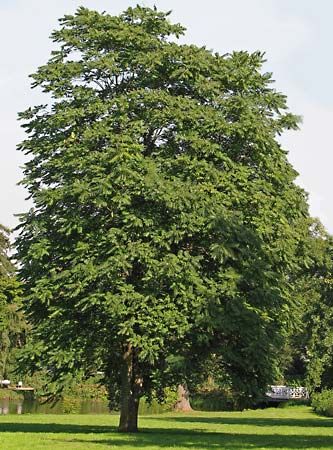
The tree of heaven (Ailanthus altissima) is a rapid-growing tree in the Simaroubaceae family native to China. It has been widely naturalized in other regions, where it is often planted as an ornamental or street tree due to its notable resistance to pollution, immunity to many insects and diseases, and its ability to thrive in diverse soil conditions.12
The tree can reach heights of 18 meters (60 feet) or more and features long, compound leaves that emit a rank odor when bruised. While it is valued for its hardiness, it is also characterized by its ill-scented flowers. Female trees produce distinct winged fruits that turn a tannish orange when ripe, and certain varieties are noted for their colorful foliage, such as red seed clusters or purplish leaf stalks.12
Why is the tree of heaven considered an invasive species?
The tree of heaven (Ailanthus altissima) is considered an invasive species primarily due to its aggressive growth habits and ability to thrive in diverse, often disturbed environments where it can outcompete native vegetation. While the provided search results highlight its hardiness—noting its resistance to pollution and ability to grow in almost any soil—these same traits allow it to colonize new areas rapidly and become difficult to eradicate once established.13
Furthermore, the spread of invasive plants is often facilitated by the decline of native forest canopies. For instance, when native trees are killed by pests like the emerald ash borer, the resulting gaps in the ecosystem create ideal conditions for opportunistic, non-native species like the tree of heaven to take hold and further alter the local landscape.4
How can you distinguish the tree of heaven from native sumac trees?
Distinguishing the tree of heaven from native sumac species can be challenging because they share similar compound foliage. However, several key characteristics help differentiate them:1
Leaf and Odor Characteristics
- Odor: When bruised, the leaves of the tree of heaven emit a distinct, rank odor. While some sumacs like the fragrant sumac are also scented when bruised, the specific smell of the tree of heaven is often described as unpleasant.25
- Leaf Structure: Sumac leaves are characteristically arranged in spirals. Some species, such as the winged sumac, feature leaflets connected by ribs along the axis, a feature not found in the tree of heaven.5
Fruit and Bark
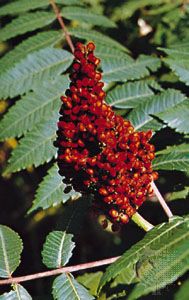
- Fruit Appearance: The tree of heaven produces winged fruits that turn a tannish orange when ripe. In contrast, sumacs produce dense, upright clusters of red [drupes].25
- Sap: All sumacs possess a milky or resinous sap.5
Growth and Texture
- Twigs: The staghorn sumac is easily identified by the dense, velvety covering on its new twigs, whereas the tree of heaven does not share this texture.5
What specific environmental problems does this tree cause in new habitats?
The tree of heaven (Ailanthus altissima) causes significant environmental problems in new habitats primarily through its aggressive colonization and competitive nature. Because it is highly adaptable, it can thrive in diverse soil conditions and resist urban pollution, allowing it to rapidly establish itself in areas where it is not native.1
Once established, the tree of heaven often forms dense thickets that outcompete native plant species for sunlight, water, and nutrients. This displacement reduces local biodiversity and can fundamentally alter the structure of native ecosystems. Furthermore, its rapid growth and prolific seed production make it exceptionally difficult to eradicate, often leading to the long-term degradation of the habitats it invades.1
Sources
- tree of heaven — Encyclopædia Britannica
- tree of heaven — Merriam-Webster
- ailanthus — Encyclopædia Britannica
- emerald ash borer: Top Questions — Encyclopædia Britannica
- sumac — Encyclopædia Britannica
Published on · 3 min read