Tropical Fish
Tropical fish are various small, often showy fishes of tropical origin that are frequently kept in aquariums. They are popular among hobbyists due to their…
What is tropical fish?
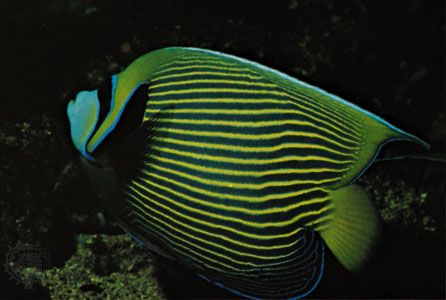
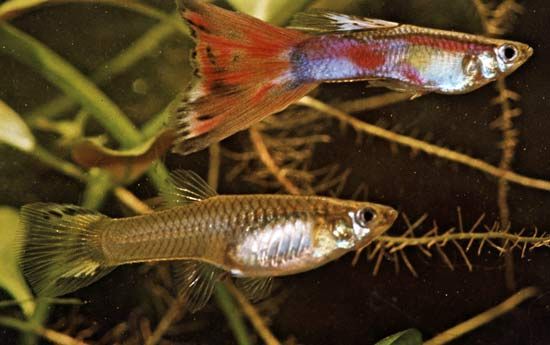
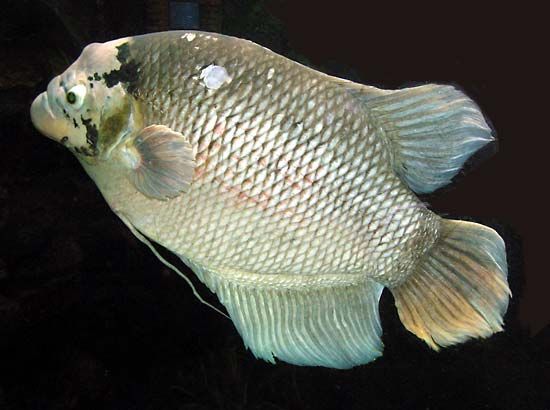
Tropical fish are various small, often showy fishes of tropical origin that are frequently kept in aquariums. They are popular among hobbyists due to their interesting behaviors and striking appearances. Common varieties include the angelfish, guppy, gourami, sea horse, Siamese fighting fish, and tetraamese-fighting-fish), and tetra.12
Maintaining these fish in an aquarium requires careful attention to water quality, as the environment must be free of pollutants and properly balanced to manage metabolic wastes. Factors such as temperature, filtration, and the chemical composition of the water are essential for the health of the specimens. Whether using open, closed, or semiclosed water systems, the goal is to replicate a stable environment that supports the specific needs of the fish.3
What is the difference between freshwater and saltwater tropical fish?
The primary difference between freshwater and saltwater (marine) fish lies in osmoregulation, the biological process used to maintain a balance of water and salts within their bodies.4
- Freshwater Fish: These fish live in environments with a lower salt concentration than their own bodies. Consequently, water is naturally absorbed into them through osmosis. To maintain balance, they drink very little water and excrete large amounts of dilute urine through their kidneys.4
- Saltwater Fish: Marine fish live in environments with higher salt concentrations, causing them to lose body water through osmosis. To survive, many drink large quantities of seawater and use their kidneys to excrete excess salts while retaining water. Some species, such as sharks and rays, maintain internal salt concentrations similar to seawater, allowing them to avoid drinking.4
In an aquarium setting, these physiological differences necessitate distinct maintenance approaches. While both require high water quality and the removal of metabolic wastes, marine systems often require more complex management to replicate the specific chemical composition of seawater.3
How do aquarium heaters help tropical fish survive?
Aquarium heaters are essential for maintaining the temperature stability required for tropical fish, which are native to warmer climates. Because tropical species are accustomed to specific environmental conditions, fluctuations in water temperature can cause significant stress or health issues.
In an aquarium, heaters help ensure that the water remains within the narrow range necessary for the fish to thrive. While the provided information highlights that temperature control is a critical and often costly factor in managing water systems, heaters serve as the primary tool for hobbyists to prevent the water from cooling to levels that would be detrimental to tropical organisms. By maintaining a consistent thermal environment, heaters support the overall health of the specimens alongside other vital maintenance tasks, such as managing water quality and removing metabolic wastes.3
What do tropical fish typically eat in their natural habitats?
Tropical fish exhibit diverse dietary habits in their natural habitats, largely depending on their specific species and environmental niche. Many tropical fish, such as those in the order Tetraodontiformes, are opportunistic predators that primarily consume invertebrates. These fish often utilize specialized adaptations to access food; for instance, some use their powerful, beak-like teeth to crush hard-shelled crustaceans, mollusks, and echinoderms, while others may blow jets of water to expose burrowing prey in the sand.5
Other species have evolved to target soft-bodied prey, such as jellyfish, or may even feed on the scales of other bottom-dwelling fish. While many tropical fish are carnivorous or specialized invertebrate feeders, others may be omnivorous or herbivorous, consuming a variety of plant matter or algae found in their ecosystems. Because these fish have adapted to specific food sources—ranging from hidden burrowers to free-swimming invertebrates—their natural diets are highly varied and specialized.5
Sources
- tropical fish — Encyclopædia Britannica
- tropical fish — Merriam-Webster
- aquarium - Maintenance problems — Encyclopædia Britannica
- Do fish drink water? — Encyclopædia Britannica
- tetraodontiform - Feeding habits — Encyclopædia Britannica
- What do turtles eat? — Encyclopædia Britannica
- fishing - Saltwater fishing — Encyclopædia Britannica
Published on · 3 min read