Was Chicago’s ‘Rat Hole’ Really Made by a Rat?
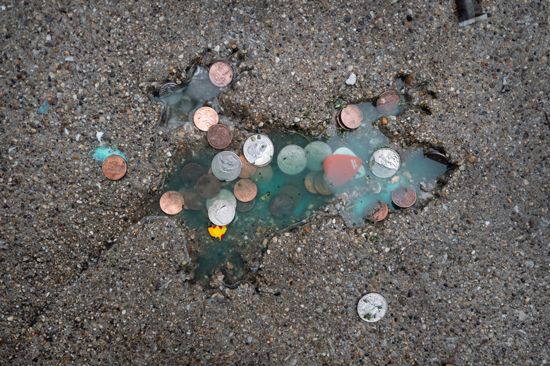
Contrary to its popular name, Chicago’s famous "rat hole" was not actually made by a rat. While the imprint in the concrete became a beloved local icon and a…
Was Chicago’s ‘Rat Hole’ Really Made by a Rat?
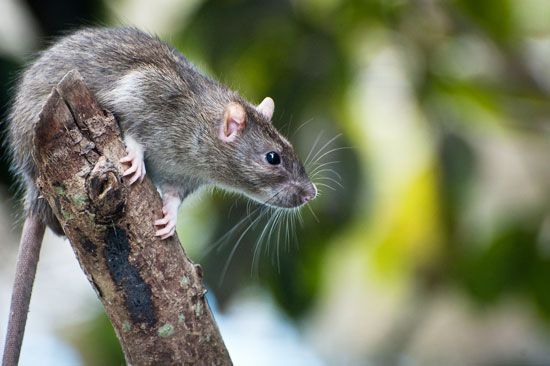
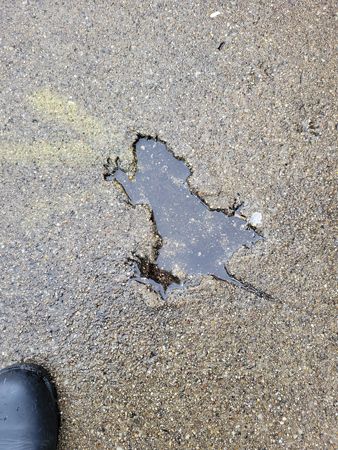
Contrary to its popular name, Chicago’s famous “rat hole” was not actually made by a rat. While the imprint in the concrete became a beloved local icon and a symbol of Chicago culture, a 2025 study published in the journal Biology Letters utilized scientific modeling and comparative anatomy to investigate the origin of the mark.1
By analyzing the dimensions of the impression against museum specimens of various rodents, researchers determined that the imprint was likely created by a squirrel. The statistical results indicated that the culprit was almost certainly either an eastern gray squirrel or a fox squirrel, rather than a brown rat or house mouse.1
Although the original slab was removed from the sidewalk in 2024 and is now held at City Hall, the site remains marked by a plaque, serving as a unique intersection of community folklore and modern scientific inquiry.1
How do scientists use comparative anatomy to identify animal fossils?
Scientists use comparative anatomy to identify and classify animal fossils by analyzing structural similarities and differences between specimens. This field, which laid the foundation for paleontology, relies on several key principles:
- Correlation of Parts: Pioneered by Georges Cuvier, this concept suggests that specific anatomical features are functionally related. By identifying one structure (such as a specific type of tooth or bone), scientists can often deduce other anatomical characteristics of the organism, allowing them to reconstruct or identify a specimen even when only fragments are available.2
- Homology vs. Analogy: Anatomists distinguish between homologies—structures inherited from a common ancestor—and analogies—structures that resemble each other due to similar functions but have different evolutionary origins. Identifying homologous structures is essential for determining the phylogeny or evolutionary relationships of a fossilized organism.345
- Structural Analysis: Researchers compare specific skeletal configurations, such as the pelvis in dinosaurs, to categorize species into distinct groups. Even minor variations in bone structure, jaws, or teeth provide critical data for classification.6
What are the main differences between brown rats and squirrels?
Brown rats and squirrels belong to the same order, Rodentia, but they are classified into different suborders and exhibit distinct physical and behavioral traits.
Taxonomic Differences
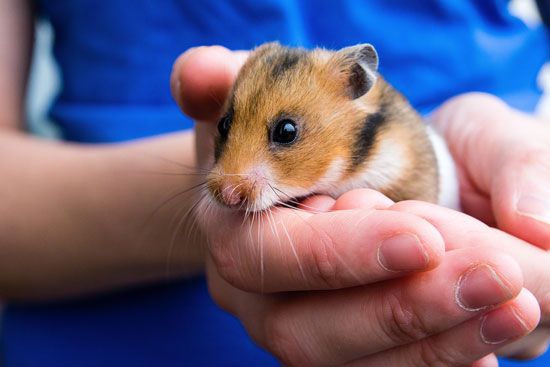
- Brown Rats (Rattus norvegicus): These belong to the suborder Myomorpha (mouselike rodents) and the family Muridae. They are closely related to mice, hamsters, and gerbils.89
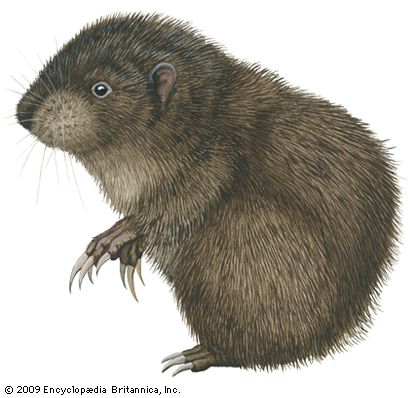
- Squirrels (Family Sciuridae): These are part of the suborder Sciuromorpha (squirrel-like rodents). This group also includes beavers and mountain beavers.8
Physical and Behavioral Distinctions
- Locomotion and Habitat: Squirrels are primarily adapted for arboreal life, using their claws to adhere to bark and scamper up trees, though they are also agile on the ground. In contrast, brown rats are highly adaptable, terrestrial animals that often live in colonies in urban or rural environments.109
- Diet: Brown rats are essentially omnivorous and opportunistic, consuming everything from human food waste and seeds to insects, fish, and bird eggs. Squirrels are generally known for their ability to open nuts and forage for plant matter.910
- Human Interaction: Brown rats are frequently viewed as invasive pests due to their tendency to damage property and carry diseases. Squirrels are generally viewed as wildlife, though some species are specialized burrowers.910
How does concrete harden and preserve imprints over time?
Concrete hardens through a chemical process known as hydration. When cement is mixed with water, calcium silicates react to form an amorphous gel called calcium silicate hydrate (C–S–H) and calcium hydroxide. This gel acts as a binder, filling the spaces between aggregate particles—such as sand and gravel—and eventually solidifying into a hard, durable mass.1112
Because concrete is initially fluid, it can be poured into molds or shaped to capture detailed impressions. As the hydration reaction proceeds, the mixture transitions through a “dormant period” that allows for placement before it sets and hardens. Once the material has cured—a process often involving keeping it damp to manage shrinkage—it becomes a chemically inert, fire-resistant solid that permanently retains the form or imprint it held during the setting phase. The final strength of the concrete depends on factors like the water-to-cement ratio and environmental conditions during the curing process.1112
Sources
- Was Chicago’s ‘Rat Hole’ Really Made by a Rat? — Encyclopædia Britannica
- Comparative anatomy — Encyclopædia Britannica
- Biology - The development of comparative biological studies — Encyclopædia Britannica
- dinosaur - Classification — Encyclopædia Britannica
- phylogeny - Evidence for specific phylogenies — Encyclopædia Britannica
- evolution - Convergent and parallel evolution — Encyclopædia Britannica
- forensic science - Forensic anthropology — Encyclopædia Britannica
- rodent - Form and function — Encyclopædia Britannica
- rodent - Evolution and classification — Encyclopædia Britannica
- brown rat — Encyclopædia Britannica
- Concrete — Encyclopædia Britannica
- Cement - Hydration — Encyclopædia Britannica
- concrete — Merriam-Webster
- concretes — Merriam-Webster
Published on · 3 min read