Western Diamondback Rattlesnake
The western diamondback rattlesnake (Crotalus atrox) is a large, venomous pit viper native to the arid and semiarid regions of the southwestern United States…
What is a western diamondback rattlesnake?
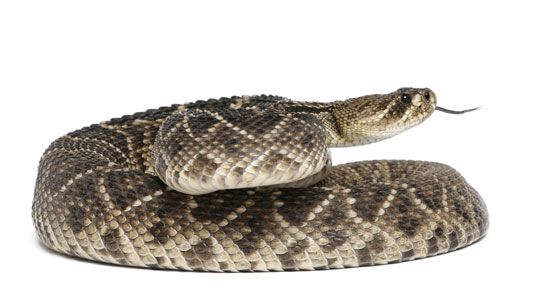
The western diamondback rattlesnake (Crotalus atrox) is a large, venomous pit viper native to the arid and semiarid regions of the southwestern United States and northern Mexico. It is a member of the family Viperidae and is considered the second-largest rattlesnake species, surpassed only by the eastern diamondback.12
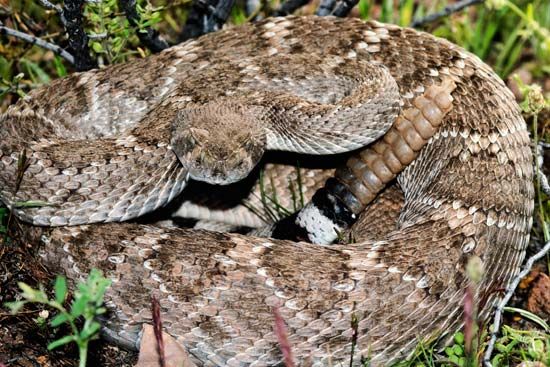
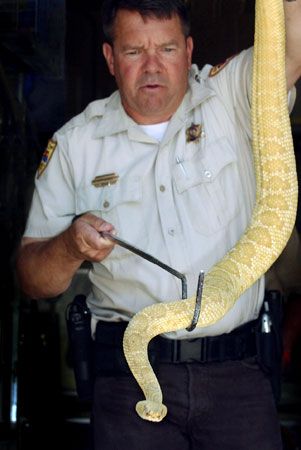
Characterized by a triangular head and a stout body, the snake typically features diamond-shaped blotches on its back and a distinctive black-and-white ringed tail. It is known for its aggressive nature and willingness to defend its position when threatened. Its bite is highly dangerous, capable of delivering significant amounts of venom that can cause severe tissue damage and systemic health issues.12
Active primarily at night, these snakes use specialized pit organs to detect the infrared radiation of warm-blooded prey. While they are currently classified as a species of least concern, they face ongoing threats from habitat loss, vehicle strikes, and human hunting.2
Where does the western diamondback rattlesnake live?
The western diamondback rattlesnake (Crotalus atrox) is native to arid and semiarid regions of North America. Its range extends from southern California eastward across the southwestern United States to western Arkansas, and southward into northern Mexico.2
Within these regions, the snake typically inhabits scrublands, including brushy flatlands and slopes, rock ledges, and high river banks. They are also known to frequent areas near human development, such as junk piles on the edges of towns and cities.2 During the winter, they hibernate in communal dens, often utilizing abandoned animal burrows or crevices in rock slides.24
How does the western diamondback rattlesnake get its name?
The western diamondback rattlesnake (Crotalus atrox) derives its name from the distinctive physical markings found on its body and its geographic range.
- “Diamondback”: The snake is named for the series of dark, diamond-shaped blotches that run along its back. These markings are typically bordered by a lighter color, which helps define the diamond pattern against the snake’s grayish, tan, or reddish ground color.12
- “Western”: This descriptor distinguishes the species from its close relative, the eastern diamondback rattlesnake (C. adamanteus), and identifies its primary habitat in the southwestern United States and northern Mexico.124
- “Rattlesnake”: Like all members of the genus Crotalus, it features a segmented, horny rattle at the tip of its tail. This structure produces a characteristic buzzing sound when vibrated, serving as a warning device when the snake feels threatened.245
What does the western diamondback rattlesnake eat?
The western diamondback rattlesnake (Crotalus atrox) is a nocturnal predator that consumes a diverse array of prey. Its diet includes:
- Mammals: Such as rabbits and various rodents.3
- Birds: Specifically ground-dwelling birds.3
- Other animals: Including reptiles, amphibians, invertebrates, and fish.3
To hunt in the dark, the snake utilizes specialized pit organs located on its snout. These sensory receptors detect infrared radiation, allowing the snake to locate warm-blooded creatures by sensing the heat they emit against the cooler environment.3
Sources
- western diamond rattlesnake — Merriam-Webster
- western diamondback rattlesnake — Encyclopædia Britannica
- eastern diamondback rattlesnake — Encyclopædia Britannica
- rattlesnake — Encyclopædia Britannica
- Mexican west coast rattlesnake — Encyclopædia Britannica
- diamondback rattlesnake — Merriam-Webster
Published on · 2 min read