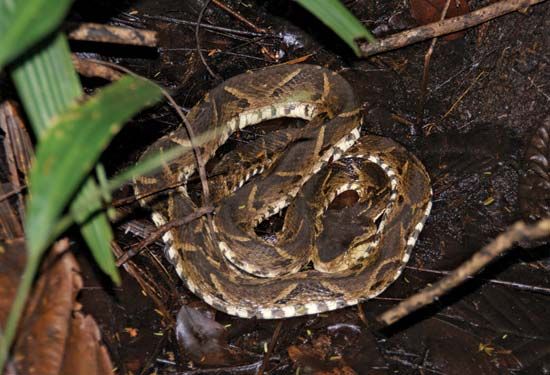
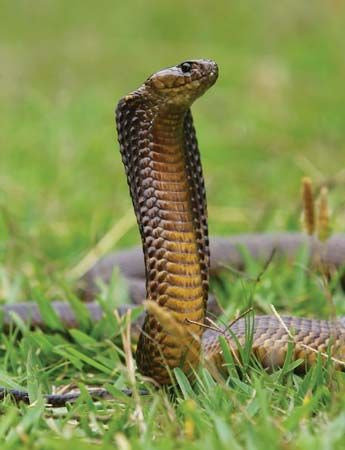
Why Are People Afraid of Snakes?
Fear of snakes, known as ophidiophobia, stems from a complex mix of biological, historical, and cultural factors.
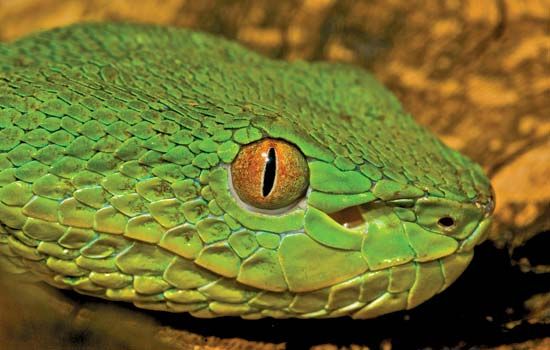
Why are people afraid of snakes?
Fear of snakes, known as ophidiophobia, stems from a complex mix of biological, historical, and cultural factors.12
- Evolutionary Biology: Humans may possess deep-rooted evolutionary traits that encourage the avoidance of potentially dangerous animals to ensure survival.1
- Misconceptions and Danger: While only a small percentage of snake species are venomous or capable of inflicting lethal bites, the difficulty in distinguishing dangerous species from harmless ones often leads to a generalized fear of all snakes. Most snakes are shy and typically only bite defensively when provoked or cornered.13
- Cultural and Religious Symbolism: Throughout history, snakes have been depicted in myths and stories as symbols of evil, deceit, and danger. Biblical accounts, such as the serpent in the Garden of Eden, have cemented this sinister reputation in many traditions.13
- Media Influence: Modern media, including films and literature, frequently amplifies these fears by portraying snakes as monstrous or predatory threats.1
What is the difference between venomous and poisonous snakes?
The terms “venomous” and “poisonous” are often used interchangeably in common parlance, but they are technically distinct in biology. The primary difference lies in how the toxins are delivered to a victim.24
- Venomous: This term applies to organisms that actively inject their toxins into another organism through a bite, sting, or other piercing device. Most dangerous snakes, such as cobras, rattlesnakes, and vipers, are venomous because they use fangs to deliver toxins.542
- Poisonous: This term applies to organisms that unload their toxins when another organism consumes them. Very few snakes are truly poisonous. An exception is the garter snake, which is harmless to bite but toxic to eat because its body absorbs and stores toxins from the poisonous prey it consumes, such as newts and salamanders.24
While many people refer to dangerous snakes as “poisonous,” this is scientifically inaccurate for the vast majority of species.24
How do snakes use their venom for hunting versus defense?
Snakes utilize their venom as a specialized tool for both hunting and defense, though their application of this resource differs significantly depending on the situation.
Hunting
For hunting, venom serves as a critical mechanism for the rapid immobilization of prey. Because snakes have a limited supply of venom, they have evolved various delivery systems—such as the long tubular fangs of viperids or the fixed fangs of elapids—to inject toxins efficiently. The venom itself is a complex chemical cocktail that can cause:82
- Circulatory damage: Disrupting blood vessels and causing coagulation defects.89
- Neurological impairment: Affecting sensory and motor functions, including respiration.89
- Cardiac effects: Directly impacting the heart.8
Some species, such as the golden fer-de-lance, use fast-acting venom to prevent agile prey from escaping, while others may bite and track the animal until it succumbs.8
Defense
In defensive scenarios, venom is used as a last resort to protect the snake from perceived threats. Snakes are generally shy and prefer to retreat; they often provide warnings, such as the rattling of a rattlesnake, before striking. Because venom is metabolically expensive to produce, snakes can control the amount they inject and frequently deliver “dry” bites—strikes that contain no venom—to deter a threat without wasting their limited supply.2
Why have snakes been symbols of both evil and immortality in human history?
Throughout human history, the snake has occupied a complex place in the human imagination, often serving as a powerful symbol of both malevolence and eternal life. This duality stems largely from the animal’s unique biological traits and their interpretation across various cultures.1
Symbols of Evil and Deceit
In many Western traditions, snakes are viewed as sinister or threatening. This perception is heavily influenced by the biblical account of Creation, where a serpent tempts Eve. Later traditions linked this figure to Satan, cementing the snake’s association with temptation, deceit, and evil. This fear is often compounded by the human instinct to avoid venomous snakes, leading to a generalized, often irrational, dread of all snakelike creatures.101
Symbols of Immortality and Renewal
Conversely, many cultures revere the snake as a symbol of life and rebirth. This is primarily due to the biological process of molting, or ecdysis, where a snake periodically sheds its old skin to reveal a fresh, vibrant layer beneath. This cycle is frequently associated with immortality and the renewal of life.111212
Furthermore, the Ouroboros—an ancient emblem of a serpent devouring its own tail—represents an eternal cycle of destruction and re-creation, symbolizing the unity of all things.13
Sources
- Why are people afraid of snakes? — Encyclopædia Britannica
- snake - Snakes and humans — Encyclopædia Britannica
- ophidiophobia — Merriam-Webster
- Venom — Encyclopædia Britannica
- reptile - Striking and biting — Encyclopædia Britannica
- What’s the Difference Between Venomous and Poisonous? — Encyclopædia Britannica
- spitting cobra — Encyclopædia Britannica
- snake - Specializations for securing food — Encyclopædia Britannica
- Did you know? — Merriam-Webster
- Ouroboros — Encyclopædia Britannica
- Why do snakes shed their skin? — Encyclopædia Britannica
- snake - Molt — Encyclopædia Britannica
- Painting - Symbolism — Encyclopædia Britannica
Published on · 3 min read