Why Do Snakes Shed Their Skin?
Snakes shed their skin—a process known as molting or ecdysis—primarily because their skin does not grow along with their bodies. As a snake increases in…
Why do snakes shed their skin?
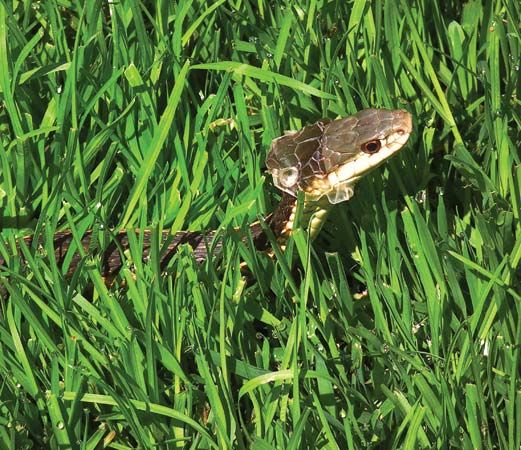
Snakes shed their skin—a process known as molting or ecdysis—primarily because their skin does not grow along with their bodies. As a snake increases in size, it must periodically discard its restrictive outer layer to accommodate its growth.12
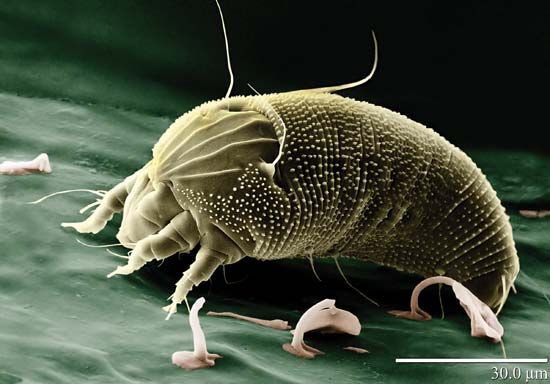
This process is essential for maintaining the snake’s health. The skin acts as a primary buffer against the environment, and shedding allows the animal to replace worn or damaged tissue with a fresh, functional layer. Additionally, molting helps the snake remove external parasites, such as mites, that may have attached to the old skin.31
Before shedding, a snake’s eyes often turn a milky blue color, signaling that the old skin is loosening. Once the eyes clear, the snake rubs the skin around its nose and mouth against objects to begin crawling out of the old layer entirely. This leaves the snake with a vibrant, new, and healthy exterior.13
What other animals besides snakes undergo ecdysis?
Beyond snakes, many other animals undergo ecdysis, a process of shedding an outer body layer to accommodate growth or changes in form. This biological phenomenon is most comprehensively studied in arthropods, a diverse group that includes:
- Insects: These animals undergo multiple molts during their juvenile stages to facilitate growth and metamorphosis.
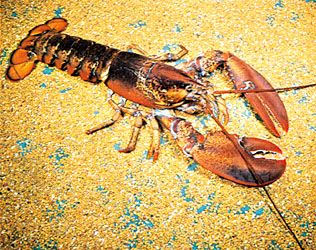
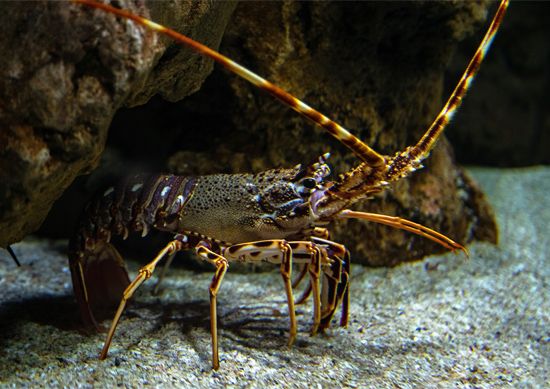
- Crustaceans: Animals such as lobsters and crabs continue to molt throughout their entire lives, allowing them to expand their rigid exoskeletons.
- Spiders: Most spiders molt periodically as they grow, typically stopping once they reach sexual maturity.
In addition to these invertebrates, lizards and other related reptiles also perform ecdysis. Unlike snakes, which typically shed their skin in a single piece, lizards often shed their skin in patches. Similar to snakes, reptiles continue to shed their skin throughout their lives, a process that is hormonally controlled and influenced by environmental factors like temperature and humidity.
How does a rattlesnake form its rattle during the shedding process?
A rattlesnake forms its rattle through a specialized modification of the standard shedding process. While the snake sheds its skin like other species, the process is uniquely adapted at the tip of the tail, where successive layers of hardened, keratinized epidermis are retained rather than discarded.3
These layers are interlocked or nested together to create the rattle, which consists of hollow, horny segments. Each time the snake undergoes molting, a new segment is added to the base of the existing structure. Because rattlesnakes typically shed their skin three or four times per year, the number of segments does not accurately reflect the snake’s age.37
Newborn rattlesnakes begin with a single “button” on their tail. After their first shed, they gain a second segment, and by the time they acquire a third, they are capable of producing the characteristic buzzing sound used to warn off potential threats.7
What are some common health problems snakes face if they cannot shed properly?
When a snake cannot shed its skin properly—a condition often referred to as dysecdysis—it faces several health risks. Because the old skin serves as a protective barrier, its failure to detach can lead to significant complications:
- Retention of Parasites: Shedding is a vital mechanism for removing external parasites, such as mites, that attach to the old skin. If the skin is not shed, these parasites remain on the animal, potentially leading to infestations that can be detrimental to the snake’s overall health.1
- Compromised Integument: The skin acts as the primary buffer between a snake’s internal structures and the environment. When the old skin becomes loose but fails to detach, it ceases to be a functional layer and instead becomes a threat to the snake’s well-being.3
- Incomplete Eye Cap Shedding: The physiological loosening of the skin includes the eye cap. If this layer is not shed correctly, it can remain over the eye, potentially causing irritation or vision impairment.13
Proper shedding is essential for the snake to maintain a fresh, functional skin layer, which is necessary for its continued growth and protection against environmental wear and tear.13
Sources
- Why do snakes shed their skin? — Encyclopædia Britannica
- Ecdysis — Encyclopædia Britannica
- snake - Molt — Encyclopædia Britannica
- Ecdysis - Post-ecdysis — Encyclopædia Britannica
- arthropod - The exoskeleton and molting — Encyclopædia Britannica
- Ecdysis - Control — Encyclopædia Britannica
- rattlesnake — Encyclopædia Britannica
Published on · 3 min read