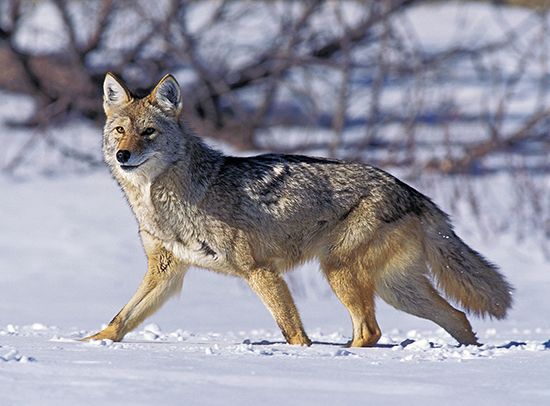
Why Do Coyotes Scream?
Coyotes produce various vocalizations, including yips, barks, and howls, that can sound like human screams. These noises are essential for animal…
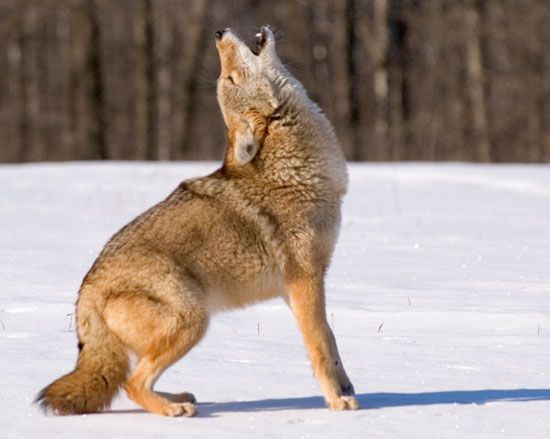
Why do coyotes scream?
Coyotes produce various vocalizations, including yips, barks, and howls, that can sound like human screams. These noises are essential for animal communication and serve several purposes.1
The primary reason coyotes howl or make scream-like sounds is to indicate the occupancy of a territory. By vocalizing, they assert their presence and warn other coyotes to avoid their claimed area. This form of territorial behaviour is an adaptive strategy that helps animals protect their space from intruders, ensuring they have sufficient resources for mating and raising young without excessive competition.12
How do coyotes mark their territory besides using sound?
Beyond vocalizations like howling, coyotes mark their territory using urine and feces. These scent-based methods serve as chemical markers to assert occupancy and warn other coyotes to stay away from a claimed area.13
Both members of a breeding pair actively participate in defending their territory against intruders. This territorial behaviour is an adaptive strategy that helps ensure the pair has sufficient resources to raise their young and reduces competition for food.13
What are the differences between coyote and wolf vocalizations?
Both coyotes and wolves utilize a complex repertoire of vocalizations—including howls, barks, yelps, and growls—to communicate within their social structures and defend their territories. While these sounds share functional similarities, there are distinct differences in their social contexts and usage:145
- Social Context: Wolves are highly social animals that live in packs of 6 to 10 members, and their howling is deeply tied to maintaining these strong social bonds and coordinating pack activities, such as hunting or locating members who have separated. In contrast, while coyotes can form packs, they are often more solitary or live in pairs, and their vocalizations are frequently noted for their nightly “serenades” of yaps and howls.543
- Purpose of Howling: Both species use howling to assert territorial occupancy and warn rivals to stay away. However, research indicates that wolves also use howling to express affection toward close pack members, a behavior not typically emphasized in the same way for coyotes.15
- Communication Range: A wolf’s howl is particularly powerful, capable of carrying up to 16 km (10 miles) in open terrain, serving as an effective long-distance communication tool for their large territories.5
How do coyotes raise their young within their territory?
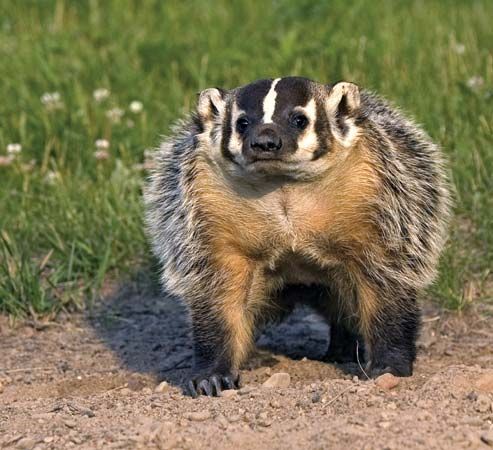
Coyotes raise their young within their territory using a structured approach centered on a den. After a gestation period of 58–65 days, females typically give birth to four to seven pups in an underground burrow. These dens are often holes originally dug by badgers or the parent coyotes themselves, usually situated on hillsides to ensure good drainage and provide high visibility for monitoring potential threats.8
The care of the young is a collaborative effort:
- Early Development: Pups are born blind and helpless, but they begin emerging from the den to play after two to three weeks.8
- Parental Care: Both parents actively feed and care for the offspring until they reach independence, which typically occurs between six and nine months of age.8
- Weaning: The pups are weaned from their mother’s milk at five to seven weeks.8
- Family Dynamics: While young coyotes usually disperse in the fall, some older siblings may remain to assist in raising younger offspring, occasionally forming family groups or packs during the winter months.8
Sources
- Why do coyotes scream? — Encyclopædia Britannica
- Territorial behaviour — Encyclopædia Britannica
- coyote — Encyclopædia Britannica
- canine - Natural history — Encyclopædia Britannica
- Why Do Wolves Howl? — Encyclopædia Britannica
- howl — Merriam-Webster
- howls — Merriam-Webster
- gray wolf - Breeding — Encyclopædia Britannica
Published on · 2 min read