Why Do Plants Wilt?
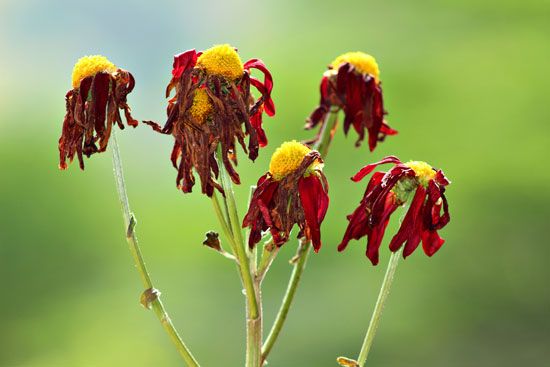
Plants typically wilt when they lose their internal water pressure, a state known as turgor. This pressure is essential for keeping nonwoody plants erect, as…
Why Do Plants Wilt?
Plants typically wilt when they lose their internal water pressure, a state known as turgor. This pressure is essential for keeping nonwoody plants erect, as it pushes the cell membrane against the cell wall.12
Wilting occurs primarily due to:
- Dehydration: Through transpiration, plants lose water via stomata. When water loss exceeds intake—often on hot, dry days—the cells in leaves and stems collapse, causing the plant to droop. Drooping helps the plant reduce surface area exposed to the sun to conserve moisture.1
- Disease: Various viruses, bacteria, and fungi cause wilt diseases. If a plant remains wilted after watering, it may be suffering from an infection.1
- Nyctinasty: Some species, such as legumes, exhibit a natural, rhythmic wilting at night triggered by light and temperature changes.1
While most plants recover with moisture, prolonged dehydration can lead to permanent wilting or death.13
What is the role of stomata in plant water regulation?
Stomata are microscopic pores in the epidermis of leaves and stems that play a critical role in balancing gas exchange with water conservation. Each pore is flanked by two guard cells, which regulate the opening and closing of the stomata based on environmental conditions and internal pressure.45
These pores are the primary sites of transpiration, the process by which plants release water vapor. While this process is essential for gas exchange—allowing carbon dioxide to enter for photosynthesis and oxygen to escape—it also risks significant water loss. To mitigate this, guard cells close the stomata during hot, dry, or windy conditions to prevent dehydration. Conversely, they open when conditions are favorable or when internal carbon dioxide levels drop.45
Some plants have evolved specialized strategies, such as crassulacean acid metabolism (CAM), which allows them to open their stomata at night to collect carbon dioxide, significantly reducing water loss from evaporation during the heat of the day.45
How do plants defend themselves against wilt-causing diseases?
Plants defend themselves against wilt-causing diseases through a combination of biological resistance and proactive management strategies. Because wilt diseases—caused by viruses, bacteria, and fungi—can be fatal, both natural evolution and human intervention play key roles in protection.16
Biological and Structural Defenses
At the cellular level, the cell wall serves as a critical line of defense. Beyond providing structural support, the cell wall acts as a storage site for regulatory molecules that can sense the presence of pathogenic microbes, allowing the plant to initiate defensive responses.78
Management and Prevention Strategies
To combat infections, growers and breeders employ several effective strategies:
- Genetic Resistance: Breeders develop and select resistant or immune plant varieties that are naturally better equipped to withstand specific pathogens.16
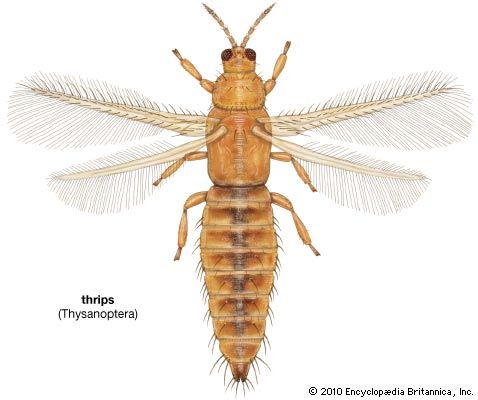
- Sanitation: Maintaining clean environments is vital. This includes using disease-free planting materials, removing and destroying infected plants or crop debris, and controlling weeds and insects (such as thrips) that may transmit viruses.6
- Cultural Practices: Rotating susceptible crops with resistant or immune species for several years helps break the disease cycle in the soil. Additionally, ensuring proper soil drainage and avoiding physical injury to roots or stems during cultivation prevents entry points for pathogens.6
- Targeted Treatments: In some cases, fungicides can be injected into the soil or applied to trees, and soil known to harbor pathogens can be fumigated or heat-treated.6
What is nyctinasty and why do some plants exhibit it?
Nyctinasty refers to the rhythmic, nastic movement of plant parts—such as the folding of leaves or the closing of flower petals—that occurs in response to changes in light intensity, typically at the onset of darkness. Often referred to as sleep movements, these actions are not triggered by a directional stimulus but are instead governed by the plant’s internal circadian cycle.910
The mechanism behind this phenomenon primarily involves changes in cellular turgor pressure. In many leguminous plants, this movement is facilitated by the pulvini, specialized organs located at the base of leaflets that undergo volume changes to alter the plant’s orientation.9
Plants exhibit this behavior for various biological reasons, such as protecting delicate reproductive structures or minimizing water loss during the night. By folding their leaves or closing their flowers as sunlight decreases, plants effectively respond to their environment to maintain homeostasis.9
Sources
- Why Do Plants Wilt? — Encyclopædia Britannica
- Turgor — Encyclopædia Britannica
- permanent wilting — Merriam-Webster
- Stomate — Encyclopædia Britannica
- Transpiration — Encyclopædia Britannica
- Wilt — Encyclopædia Britannica
- Cell wall — Encyclopædia Britannica
- Plant cell: Top Questions — Encyclopædia Britannica
- nyctinasty — Merriam-Webster
- sleep movements — Merriam-Webster
Published on · 3 min read