Sassafras
Sassafras (Sassafras albidum) is a North American tree belonging to the laurel family (Lauraceae). It is recognized for its aromatic leaves, bark, and roots…
What is sassafras?
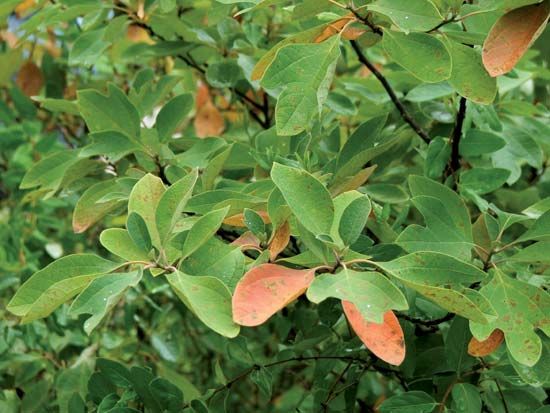
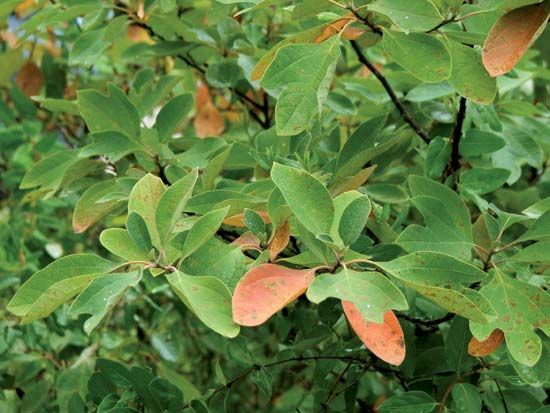
Sassafras (Sassafras albidum) is a North American tree belonging to the laurel family (Lauraceae). It is recognized for its aromatic leaves, bark, and roots, which have historically been used in traditional medicine and as a flavoring agent.1
The tree is notable for its three distinct leaf shapes—entire, two-lobed (mitten-shaped), and three-lobed—often found on the same twig. Its roots yield an oil containing safrole, a compound that served as the traditional flavoring for root beer.12
However, in 1960, the U.S. Food and Drug Administration banned the use of safrole in food products due to evidence linking it to liver damage and cancer. Consequently, modern commercial root beer producers now utilize safrole-free sassafras extracts or alternative flavorings.3
How can you identify a sassafras tree by its leaves?
You can identify a sassafras tree by its unique foliage, which is characterized by three distinct leaf shapes that can often be found growing on the same twig:1
- Entire: A simple, oval-shaped leaf with no lobes.
- Two-lobed: A leaf shaped like a mitten, featuring a single “thumb” projection.
- Three-lobed: A leaf with three distinct lobes, often resembling a trident.
These leaves are part of a tree that also features bright green twigs and furrowed bark, typically found in sandy soils across North America.1
What other plants were traditionally used to flavor root beer?
Beyond the traditional use of sassafras, wintergreen, and sarsaparilla, early North American root beers were crafted using a wide variety of aromatic plants. These ingredients were often combined based on regional availability and family recipes to create distinct herbal and earthy flavor profiles.3
Other plants historically used to flavor these beverages include:
- Trees and Barks: Birch (Betula species) and cherry (Prunus avium) bark.3
- Roots and Rhizomes: Ginger (Zingiber officinale), burdock (Arctium minus), dandelion (Taraxacum officinale), and licorice (Glycyrrhiza glabra).3
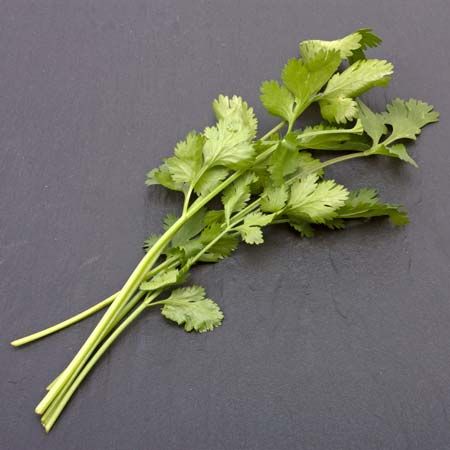
- Other Botanicals: Juniper (Juniperus species), hops (Humulus lupulus), vanilla (Vanilla species), coriander (Coriandrum sativum), and guiacum (Guiacum species) gum.3
In modern commercial production, brands continue to use unique botanical additives to achieve their signature tastes, such as gum acacia in Barq’s or quillaia (Quillaja saponaria) in IBC.3
We could dive deeper into the medicinal history of these ingredients or explore how modern craft breweries are reviving traditional fermentation methods.
Why did the FDA decide to ban safrole in food products?
Sources
- sassafras — Encyclopædia Britannica
- safrole — Merriam-Webster
- root beer — Encyclopædia Britannica
- sassafras — Merriam-Webster
Published on · 2 min read