Woodswallow
A woodswallow is any of approximately 16 species of songbirds belonging to the family Artamidae. Found in regions ranging from India and Southeast Asia to…
What is Woodswallow?
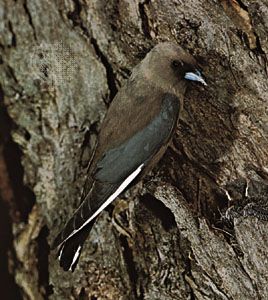
A woodswallow is any of approximately 16 species of songbirds belonging to the family Artamidae. Found in regions ranging from India and Southeast Asia to Australia, these birds are characterized by their gray plumage, which often features black, white, or reddish markings.1
While they share similar aerial feeding habits and wing shapes with the swallow, woodswallows are distinct in their physical features, possessing stout, wide-gaped bills and brush-tipped tongues. They are known for being noisy and often belligerent, frequently hunting insects in midair and roosting in close physical contact with one another. Some species within this genus, such as the little woodswallow and the white-browed woodswallow, are known to breed in colonies.12
How do woodswallows differ from true swallows?
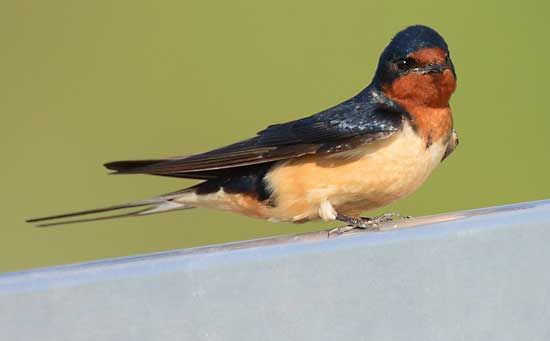
While woodswallows and true swallows share similar aerial feeding habits and pointed wing shapes, they are biologically distinct and belong to different families within the order Passeriformes.
Key Differences
- Taxonomy: Woodswallows belong to the family Artamidae and are more closely related to shrikes, whereas true swallows belong to the family Hirundinidae.132
- Physical Features: Woodswallows possess stout, wide-gaped bills and brush-tipped tongues. In contrast, true swallows are characterized by short, small bills and small, weak feet.12
- Behavior: Woodswallows are known for being noisy and belligerent, often roosting in close physical contact with one another. True swallows are highly agile fliers that often build nests using mud or by burrowing into sandbanks.12
- Distribution: Woodswallows are primarily found in Australasia and parts of Asia, while true swallows have a worldwide distribution, excluding only the coldest regions and most remote islands.12
What are the benefits of birds roosting in close contact?
Roosting in close contact is a vital behavioral response for many animals, including birds, serving as an effective strategy for thermoregulation during cold weather.4
By huddling together, birds can significantly reduce heat loss to the environment. This behavior is a form of behavioral thermoregulation, which complements the internal physiological processes birds use to maintain their homeothermic (warm-blooded) status. Because birds lack the heat-generating brown adipose tissue found in mammals, they rely heavily on metabolic adjustments, such as shivering, to produce heat. Huddling helps mitigate the energy costs associated with these metabolic demands, allowing individuals to conserve energy that would otherwise be spent maintaining a stable body temperature in harsh conditions.456
This social behavior is particularly important for species that may face environmental extremes, as it provides a collective defense against the cold, helping to ensure survival when food resources are scarce or temperatures drop below the bird’s comfort threshold.4
What does it mean for a bird to be a passerine?
A passerine is any member of the order Passeriformes, which is the largest and most dominant group of birds on Earth today. Often referred to as “perching birds,” they are characterized by a specific foot structure featuring four toes: three directed forward and one backward (the hallux), which allows them to grip perches effectively.89
These birds are considered the most highly evolved avian group, having undergone rapid evolutionary radiation to adapt to diverse terrestrial environments across every continent except Antarctica. The order is generally divided into two suborders:8
- Suboscines: Members of the suborder Tyranni, often considered more anatomically and behaviorally primitive.810
- Oscines: Members of the suborder Passeri, commonly known as songbirds, which are typically viewed as the most highly specialized of all birds.810
While most passerines are small to medium-sized, they exhibit immense structural diversity in their bills and feeding habits, ranging from aerial insectivores like swallows to seed-eating finches.11
Sources
- Woodswallow — Encyclopædia Britannica
- Swallow — Encyclopædia Britannica
- wood swallow — Merriam-Webster
- Dormancy - Energy conservation — Encyclopædia Britannica
- Dormancy - Temperature variations — Encyclopædia Britannica
- Thermoreception - Environment and thermoreception — Encyclopædia Britannica
- Thermoreception - Birds — Encyclopædia Britannica
- Passeriform — Encyclopædia Britannica
- Suboscine — Encyclopædia Britannica
- Passeriform - Feet and legs — Encyclopædia Britannica
- Passeriform - Size range and structural diversity — Encyclopædia Britannica
Published on · 3 min read