7 Questions About Mammals Answered
Mammals are a diverse group of vertebrate animals defined by several unique biological characteristics. Here are seven common questions about them:

What are 7 Questions About Mammals Answered?
Mammals are a diverse group of vertebrate animals defined by several unique biological characteristics. Here are seven common questions about them:
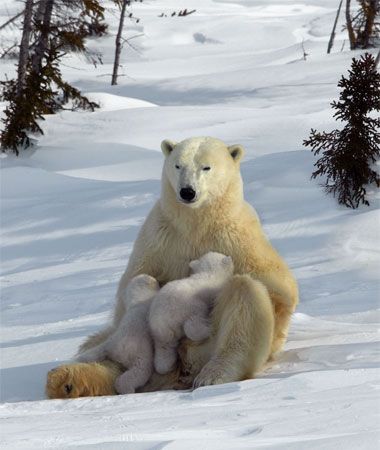
- What defines a mammal? Mammals are distinguished by the presence of mammary glands that nourish young with milk, the presence of hair, and a lower jaw hinged directly to the skull.1
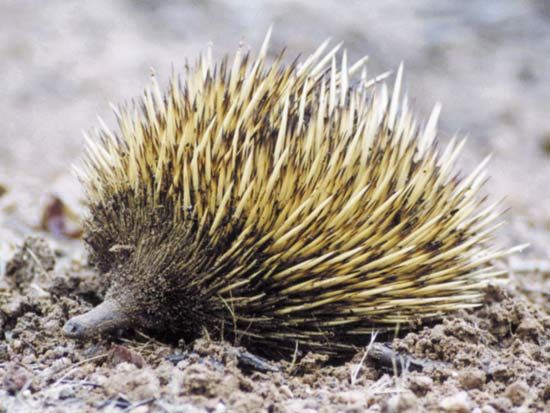
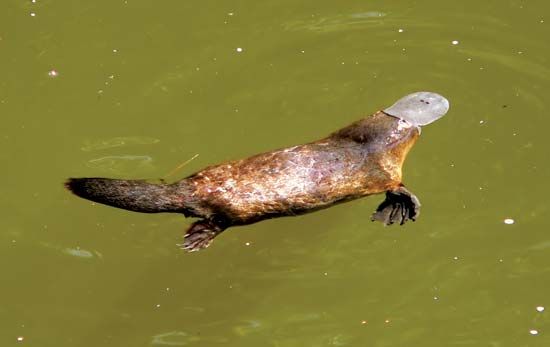
- Do all mammals give birth to live young? No. While most are viviparous, monotremes—such as the platypus—lay eggs.1
- How do mammals maintain body temperature? Mammals are endotherms, meaning they regulate their internal body temperature independently of the environment through mechanisms like thermoregulation, sweating, and insulation.23
- What is the difference between placental mammals and marsupials? Placental mammals develop within the womb via a placenta, whereas marsupials are born incompletely developed and finish growing outside the womb, often in a pouch.1
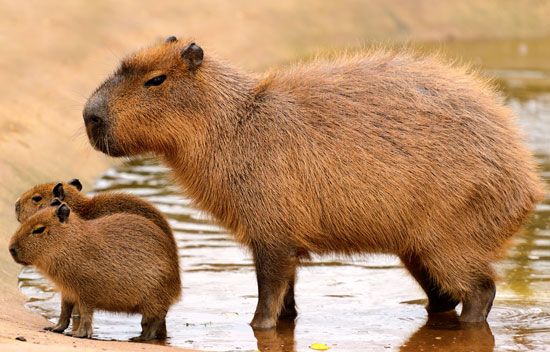
- What is the most numerous group of mammals? Rodents are the most numerous in terms of both species count and individual population.4
- Why do mammals have hair? Hair provides insulation, tactile sensation via vibrissae, and protection from the environment.5
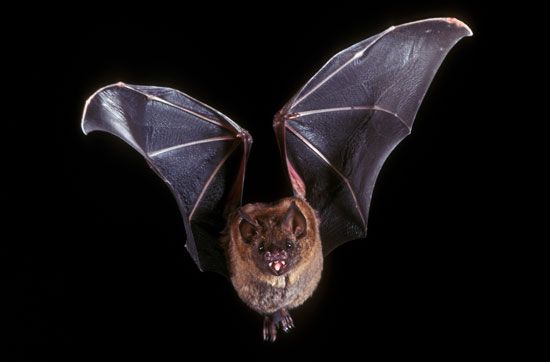
- How large can mammals get? They range from tiny bats weighing less than a gram to the blue whale, the largest animal to ever live.4
How do monotremes differ from placental mammals and marsupials?
Monotremes, marsupials, and placental mammals represent the three primary groups of mammals, distinguished primarily by their reproductive strategies and developmental processes.
Reproductive Differences
- Monotremes: Unlike other mammals, monotremes are oviparous, meaning they lay shelled, yolk-rich eggs. Their young hatch at an early, altricial stage of development and rely on maternal milk.89
- Marsupials: These mammals are viviparous but lack a specialized placenta for long-term intrauterine development. Young are born in an incompletely developed state after a short gestation period (8–40 days) and must migrate to the mother’s teats to continue growing, often within a pouch called the marsupium.81
- Placental Mammals: Members of the infraclass Eutheria utilize a complex placenta to facilitate nutrient and waste exchange between the mother and fetus. This allows for a significantly longer gestation period, resulting in offspring that are more advanced at birth compared to marsupials.8101
Evolutionary and Anatomical Context
Monotremes are considered the most ancient living order and retain primitive skeletal features, such as specific shoulder girdle structures, that have been lost in other mammalian groups. Additionally, the name “monotreme” refers to their single posterior opening used for both reproduction and excretion, a trait that differs from the more specialized anatomy found in placental and marsupial mammals.9
What are some examples of how mammals have adapted to life in the ocean?
Mammals have evolved remarkable adaptations to thrive in marine environments, primarily seen in groups like cetaceans (whales, dolphins) and pinnipeds (seals, sea lions, walruses). These adaptations include:
- Locomotion: Cetaceans have evolved into streamlined, virtually limbless creatures. Their forelimbs are reduced to flippers for steering, while powerful back muscles drive horizontal flukes for propulsion. Pinnipeds, shaped like torpedoes, use their limbs as flippers to remain swift and graceful in the water.1112
- Thermoregulation: To survive in cold water, these mammals utilize blubber—a thick, fat-rich layer of skin that provides insulation. They also employ countercurrent blood exchange, which allows them to conserve or shed heat by adjusting blood flow between their core and periphery.13
- Diving and Breathing: Cetaceans possess a rete mirabile, a network of blood vessels that helps isolate oxygenated blood for the heart and brain during deep dives.13
- Sensory and Feeding: Whales have converted their ears to a fully aquatic form, often losing external structures like the pinna to improve streamlining. Feeding strategies have also shifted; for example, baleen whales use baleen plates to filter-feed, while pinnipeds use sensitive whiskers to detect prey.141512
Why is the diaphragm important for a mammal’s survival?
The diaphragm is a vital, dome-shaped muscle that serves as the primary engine for respiration in mammals. By contracting and moving downward, it expands the thoracic cavity, which lowers internal pressure and draws air into the lungs. This efficient aspiration pump is essential for supporting the high metabolic rates characteristic of mammals, allowing them to maintain stable body temperatures and exploit diverse environments across the globe.19201
Beyond breathing, the diaphragm is crucial for various physiological functions. It plays a key role in expulsive actions, including coughing, sneezing, and vomiting, as well as in the processes of urination, defecation, and parturition (childbirth). By separating the thoracic and abdominal cavities, it also provides structural organization for internal organs, with essential structures like the aorta and esophagus passing through it.191
Sources
- mammal — Encyclopædia Britannica
- mammal - Diversity — Encyclopædia Britannica
- mammal - Natural history — Encyclopædia Britannica
- mammal - Skin and hair — Encyclopædia Britannica
- mammal - Implantation, gestation, and birth — Encyclopædia Britannica
- How Does the Human Body Maintain Its Temperature? — Encyclopædia Britannica
- mammal - Classification — Encyclopædia Britannica
- mammal - Estrus and other cycles — Encyclopædia Britannica
- monotreme — Encyclopædia Britannica
- placental mammal — Encyclopædia Britannica
- cetacean - Locomotor adaptations — Encyclopædia Britannica
- cetacean - Circulation and thermoregulation — Encyclopædia Britannica
- sound reception - Marine mammals — Encyclopædia Britannica
- cetacean - Feeding adaptations — Encyclopædia Britannica
- cetacean - Breathing and diving — Encyclopædia Britannica
- Tertiary Period - Large marine animals — Encyclopædia Britannica
- cetacean - Paleontology — Encyclopædia Britannica
- pinniped — Encyclopædia Britannica
- diaphragm — Encyclopædia Britannica
- Respiratory system - Mammals — Encyclopædia Britannica
Published on · 4 min read