8 Famous Animals
Throughout history, certain animals have captured the public imagination through their loyalty, scientific significance, or heroic actions. Here are eight…
What are 8 Famous Animals?
Throughout history, certain animals have captured the public imagination through their loyalty, scientific significance, or heroic actions. Here are eight famous animals:
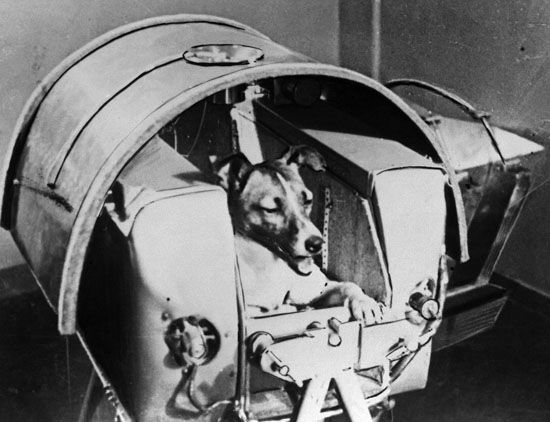
- Laika: A stray dog from Moscow who became the first living creature to orbit Earth aboard Sputnik 2 in 1957.
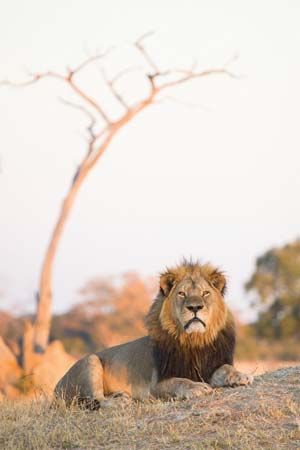
- Cecil: A beloved lion whose 2015 killing by a trophy hunter sparked international outrage and highlighted the ethical complexities of big-game hunting.
- Seabiscuit: An unlikely Thoroughbred champion who became a symbol of hope for Americans during the Great Depression.
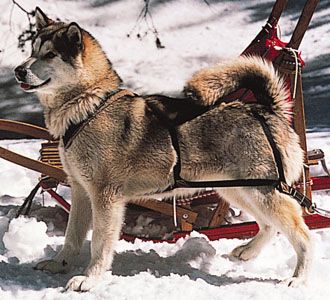
- Balto: A sled dog famous for his role in the 1925 serum run to Nome, though the contributions of other dogs like Togo are also widely recognized.
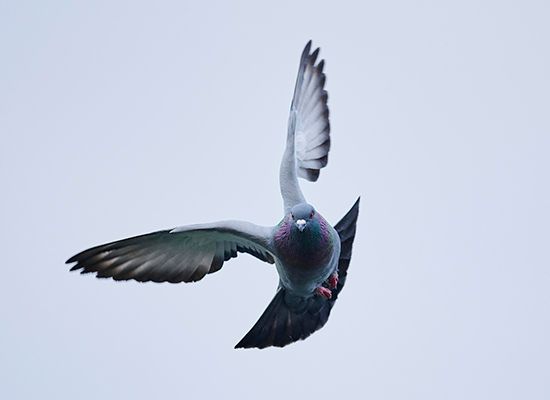
- Cher Ami: A homing pigeon credited with helping save the U.S. Army’s “Lost Battalion” during World War I.
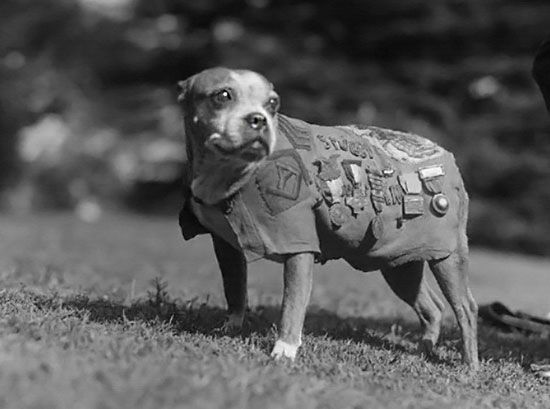
- Sergeant Stubby: A decorated war dog who served in the trenches, detecting gas attacks and locating wounded soldiers.
- Dolly: The first clone of an adult mammal, whose birth in 1996 marked a major scientific milestone.
- Hachikō: An Akita renowned for his unwavering loyalty, famously waiting at a train station for his deceased owner for nearly a decade.
How does animal cloning work and what are its ethical implications?
Animal cloning is primarily achieved through a technique known as somatic cell nuclear transfer (SCNT). This process involves removing the nucleus from a somatic (body) cell of an organism and inserting it into an egg cell that has had its own nucleus removed. Once the somatic nucleus is inside the egg, the cell is stimulated—often with a mild electrical current—to begin dividing. The resulting embryo is then implanted into a surrogate mother to develop to term.2345
Ethical Implications
The practice of cloning, particularly reproductive cloning, raises significant ethical concerns:
- Animal Welfare: The process is often inefficient and harmful. Many cloned embryos fail to survive gestation, and those that are born frequently suffer from birth defects. The procedure requires invasive surgeries to harvest eggs and implant embryos, which can expose surrogate animals to pain, infection, and gestational complications.43
- Societal and Moral Concerns: Critics argue that cloning provides no real benefit to society and may prioritize the creation of “identical” pets over the adoption of needy animals from shelters. Furthermore, there are broader concerns that cloning could promote eugenics—the selection of individuals based on desired traits—which violates fundamental principles of dignity and equality.367
- Scientific Utility: While controversial, proponents argue that cloning has legitimate applications in medicine and agriculture, such as developing disease-resistant livestock or creating compatible tissues for transplantation.65
We could dive deeper into the specific regulations governing cloning research or explore the history of famous cloned animals like Dolly.
What role do animals play in modern military and rescue operations?
Throughout history, animals have been utilized in various capacities for military and rescue operations, ranging from combat support to specialized detection tasks.
Military and Combat Roles
Historically, animals were integrated directly into warfare. Horses were pivotal in combat until the 20th century, and dogs have served as guards, mascots, and even in extreme cases as anti-tank mines. In naval contexts, dolphins have been trained to detect mines and enemy divers since the Cold War. Additionally, pigeons have served as vital battlefield messengers, famously saving lives by delivering critical information when other communication methods failed.8
Detection and Rescue
In modern operations, animals are prized for their keen senses. Police dogs are widely used to track fugitives and missing persons, as well as to detect illegal drugs and explosives. Similarly, rats are now trained to locate land mines on former battlefields, using their powerful sense of smell to uncover threats that electronic equipment might miss.98
Ethical Concerns
The use of animals in military research remains a subject of intense ethical debate. The U.S. Department of Defense has historically utilized animals for “live tissue training,” subjecting them to simulated combat injuries to train medics. Following significant pressure from animal rights groups, there have been legislative efforts to phase out these practices, though some programs have persisted.10
Why are some historical accounts of animal heroism debated by researchers?
Historical accounts of animal heroism are often debated by researchers primarily due to the human tendency toward anthropomorphism—the attribution of human mental states, emotions, or intentions to nonhuman animals. When observers interpret animal behavior as “heroic,” they may be projecting human values onto actions that are actually driven by different biological or evolutionary mechanisms.1112
Researchers often approach these accounts with skepticism for several reasons:
- Interpretation vs. Reality: Anthropomorphism can lead to a retrospective misinterpretation of events. What appears to be a conscious, altruistic act of “heroism” may be a category of interpretation that is later revealed to be a simpler behavioral response to immediate environmental stimuli.11
- Evolutionary Explanations: Many behaviors that seem heroic, such as protecting group members or sharing food, are better explained by evolutionary theory. Concepts like kin selection demonstrate that animals often act in ways that benefit others to ensure the survival of their own genetic lineage, rather than out of a moral sense of duty.13
- Cognitive Complexity: While some ethologists argue that animals possess a rudimentary form of consciousness and intentionality, others maintain that such subjective states are private and scientifically unknowable. Consequently, researchers often prefer to analyze behavior through cognitive mechanisms and “Darwinian algorithms”—decision-making rules shaped by natural selection—rather than assuming human-like motives.1214
Sources
- 8 Famous Animals — Encyclopædia Britannica
- Somatic cell nuclear transfer — Encyclopædia Britannica
- cloning - Reproductive cloning — Encyclopædia Britannica
- How Easy Is It to Clone Your Pet? — Encyclopædia Britannica
- cloning: Top Questions — Encyclopædia Britannica
- cloning - Ethical controversy — Encyclopædia Britannica
- 18 Questions About Farming Answered - Can farm animals be cloned? — Encyclopædia Britannica
- police - Police dogs — Encyclopædia Britannica
- Fightin’ Fauna: 6 Animals of War — Encyclopædia Britannica
- Animal testing - Animals in space and the military — Encyclopædia Britannica
- myth - Animals and plants in myth — Encyclopædia Britannica
- anthropomorphism — Encyclopædia Britannica
- Ethics - Nonhuman behaviour — Encyclopædia Britannica
- Instinct - Tinbergen : hierarchy of motivation — Encyclopædia Britannica
- Animal behaviour - Cognitive mechanisms — Encyclopædia Britannica
- Nature worship - Worship of animals — Encyclopædia Britannica
Published on · 4 min read