9 of the World’s Deadliest Snakes
While many people fear snakes, it is important to recognize that most are not aggressive and only strike in self-defense. Of the thousands of species, only a…
What are 9 of the World’s Deadliest Snakes?
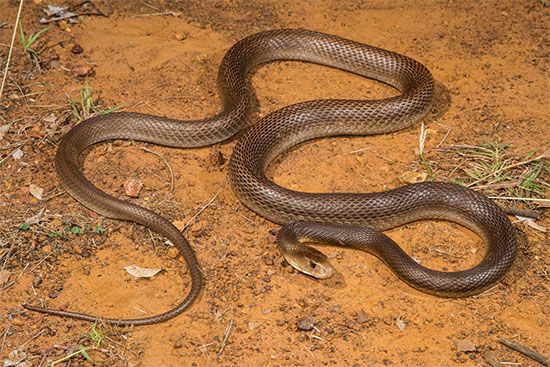
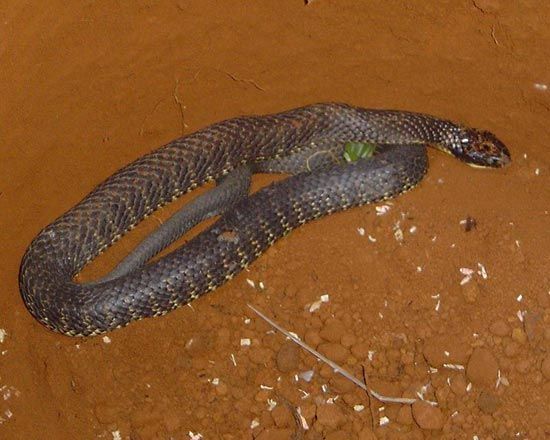
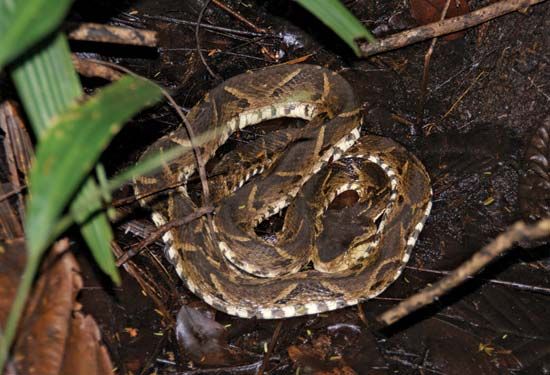
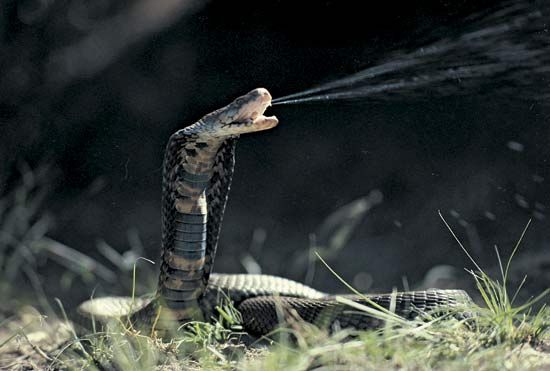
While many people fear snakes, it is important to recognize that most are not aggressive and only strike in self-defense. Of the thousands of species, only a small fraction are capable of inflicting a lethal bite. Here are nine of the world’s deadliest snakes:1
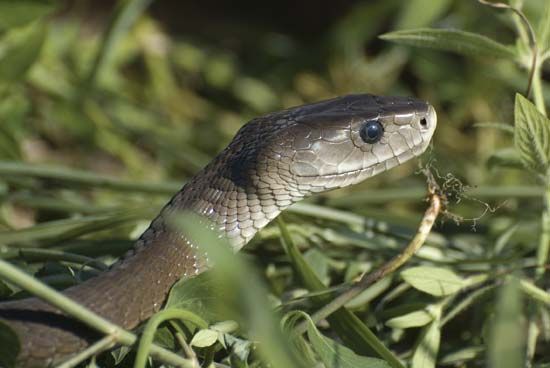
- Black Mamba: Known for its speed and potent venom, this African snake is feared for its aggressive reputation, though unprovoked attacks are unproven.23
- Saw-scaled Viper: Considered by many to be the deadliest, it is responsible for more human deaths than all other snake species combined due to its irritable nature.24
- King Cobra: The world’s longest venomous snake, it delivers a massive volume of neurotoxins capable of killing an elephant.2
- Inland Taipan: Also called the “fierce snake,” it possesses the most toxic venom of any terrestrial snake.25
- Coastal Taipan: A large Australian elapid whose bite is lethal in over 80 percent of untreated cases.25
- Boomslang: A rear-fanged African snake that mimics a tree branch to ambush prey.2
- Eastern Tiger Snake: An Australian species that flattens its neck like a cobra when threatened.2
- Banded Krait: A highly venomous relative of the cobra that uses neurotoxins to induce paralysis.2
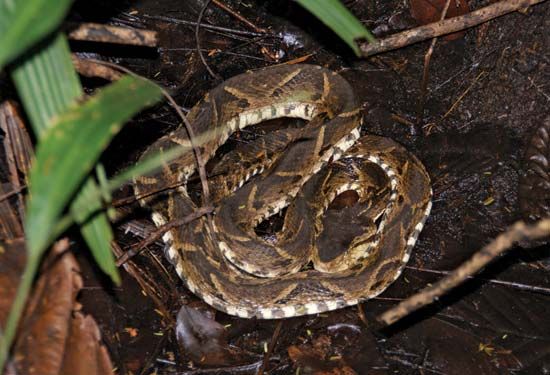
- Terciopelo (Fer-de-lance): A Central American snake known for its painful, necrotizing, and often deadly venom.2
How do scientists measure the toxicity of snake venom?
Scientists measure the toxicity of snake venom primarily by determining its LD50LD_{50}, which stands for “lethal dose 50.”6
The LD50LD_{50} is defined as the specific amount of a toxic agent required to kill 50 percent of a test population of animals within a designated timeframe. This metric provides a standardized way to compare the potency of different venoms, which are complex mixtures of enzymes and proteins that can target the nervous system, blood, or other tissues.67
It is important to note that while LD50LD_{50} measures the inherent toxicity of the substance, the actual danger of a snakebite in a clinical setting depends on several other factors, including the volume of venom injected, the location of the bite, the size of the victim, and the speed at which the venom enters the circulation.7
What is the difference between neurotoxic and hemotoxic venom?
The primary difference between these two types of venom lies in the specific biological systems they target:
- Neurotoxic venom acts on the brain and nervous system. It can cause nervous excitation, leading to symptoms like muscle cramps, twitching, and convulsions, or nervous depression, which may result in paralysis and the failure of respiration or heartbeat.8
- Hemotoxic venom targets the blood and circulatory system. These toxins may destroy the lining of blood vessels, causing widespread hemorrhages, or interfere with the blood’s ability to clot, which can lead to fatal circulatory collapse.8
While both are complex mixtures of enzymes and proteins, they produce distinct clinical outcomes depending on how they disrupt normal physiological functions.8
What should a person do if they are bitten by a venomous snake?
If you are bitten by a venomous snake, it is critical to remain calm and seek professional medical help immediately. The primary goal of first aid is to slow the spread of venom through your system.
Follow these guidelines for bites on the extremities:
- Immobilize the limb: Keep the affected area horizontal and as still as possible. Using a splint is recommended to prevent movement.7
- Apply a bandage: Use a broad, firm bandage over the bite site and wrap it around the entire limb if possible.7
- Minimize circulation: Avoid exertion and excitement, as these increase your pulse rate and speed the absorption of venom. Do not consume stimulants.7
- What to avoid: Do not cut the wound or attempt to suck out the venom. Do not apply arterial tourniquets, ice, or chemicals like potassium permanganate, as these methods are ineffective and potentially harmful.7
The most effective treatment is the administration of antivenin by medical professionals, so prioritize reaching a hospital as quickly as possible.7
Sources
- 9 of the World’s Deadliest Snakes — Encyclopædia Britannica
- black mamba — Encyclopædia Britannica
- saw-scaled viper — Encyclopædia Britannica
- taipan — Encyclopædia Britannica
- snake - Snakes and humans — Encyclopædia Britannica
- LD{inf}50{/inf} — Merriam-Webster
- snakebite — Encyclopædia Britannica
- Venom — Encyclopædia Britannica
Published on · 3 min read