Taipan
Taipans are highly venomous snakes belonging to the genus Oxyuranus and the family Elapidae. Their physical characteristics vary by species:
What are the distinguishing physical characteristics of taipan snakes?
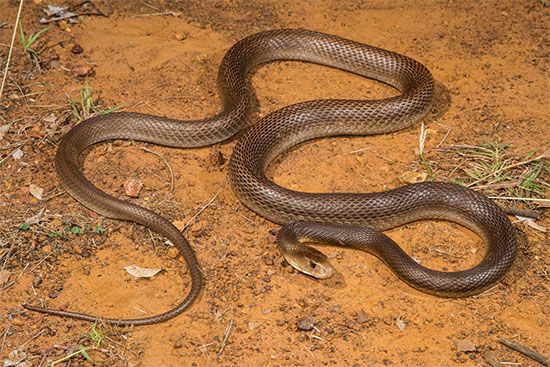
Taipans are highly venomous snakes belonging to the genus Oxyuranus and the family Elapidae. Their physical characteristics vary by species:
- Coloration: They range in color from beige and gray to pale or dark brown. Some species also undergo seasonal color changes.1
- Coastal Taipan (Oxyuranus scutellatus): As the largest Australian elapid, it typically reaches lengths between 1.8 and 2.4 meters (6 to 8 feet), with a maximum recorded length of 2.9 meters (9.5 feet).1
- Inland Taipan (O. microlepidotus): Also known as the fierce snake, this species is smaller, growing up to 1.7 meters (5.5 feet) in length.1
- Central Ranges Taipan (O. temporalis): This species was discovered in 2006 in the central mountain ranges of Western Australia, and its specific physical traits remain a subject of ongoing study.1
All three species are known for their potent venom, with the inland taipan possessing the most toxic venom of any terrestrial snake in the world.1
Where are taipan snakes typically found in the wild?
Taipan snakes are found in regions spanning from Australia to the southern edge of New Guinea. Their specific habitat preferences vary by species:12
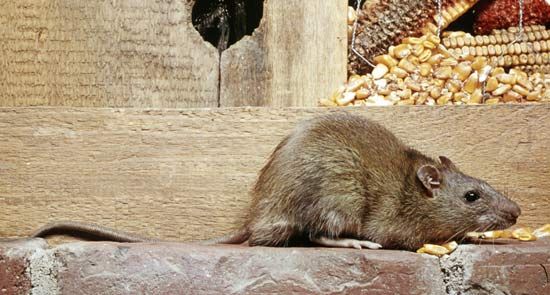
- Coastal Taipan (Oxyuranus scutellatus): These snakes are often found in areas with high populations of rats and mice, such as sugarcane plantations.1
- Inland Taipan (O. microlepidotus): Also known as the fierce snake, this species is similarly found in environments that support large rodent populations.1
- Central Ranges Taipan (O. temporalis): This species, discovered in 2006, is native to the arid, sandy habitats of the central mountain ranges in Western Australia.1
How venomous are taipans compared to other snake species?
Taipans are among the most venomous snakes in the world, with the inland taipan (Oxyuranus microlepidotus) widely recognized as possessing the most toxic venom of any terrestrial snake.13
Their venom is a complex mixture of toxins, including neurotoxins, procoagulants, and myotoxins, which collectively paralyze muscles, inhibit breathing, cause hemorrhaging, and damage tissues. While the coastal taipan (Oxyuranus scutellatus) is slightly less toxic than its inland cousin, its bite remains lethal in more than 80 percent of untreated cases.3
Compared to other dangerous species:
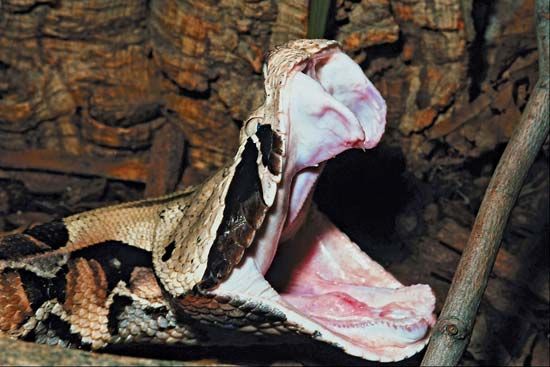
- Saw-scaled viper: While it may be responsible for more human deaths than all other species combined due to its aggressive nature, its individual venom is lethal in less than 10 percent of untreated cases.3
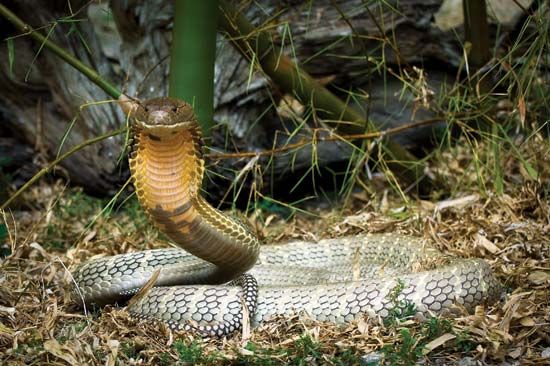
- King cobra: Although it is the longest venomous snake and can deliver a massive volume of neurotoxins capable of killing an elephant, its untreated human mortality rate is estimated at 50 to 60 percent.3
Taipans are quick to defend themselves if disturbed, and their venom is potent enough to kill a human within hours without medical intervention.1
What are the different species of taipan snakes?
There are three recognized species within the genus Oxyuranus, all of which are highly venomous elapid snakes native to Australia and southern New Guinea:12
- Coastal Taipan (Oxyuranus scutellatus): This is the largest Australian elapid, typically reaching lengths between 1.8 and 2.4 meters (6 to 8 feet), though some can grow up to 2.9 meters (9.5 feet).1
- Inland Taipan (O. microlepidotus): Also known as the fierce snake or western taipan, this species is smaller than the coastal variety, growing up to 1.7 meters (5.5 feet). It is widely considered to possess the most toxic venom of any terrestrial snake in the world.1
- Central Ranges Taipan (O. temporalis): Also called the western desert taipan, this species was discovered in 2006 in the central mountain ranges of Western Australia. Because it is a relatively recent discovery, its life history and habits remain subjects of ongoing study.1
Sources
- taipan — Encyclopædia Britannica
- taipan — Merriam-Webster
- 9 of the World’s Deadliest Snakes — Encyclopædia Britannica
- cobra — Encyclopædia Britannica
Published on · 3 min read