Elapid
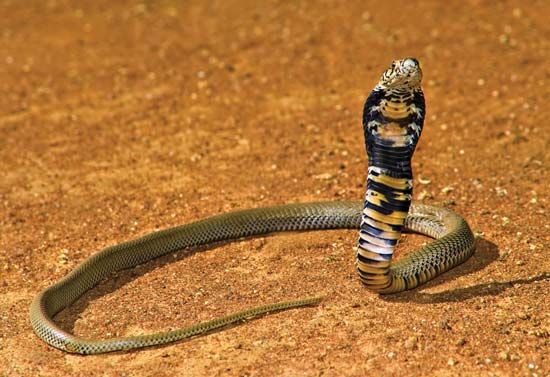
The Elapidae family comprises approximately 300 species of venomous snakes, characterized by short, fixed fangs located at the front of the upper jaw. While…
Which famous snake species belong to the elapid family?
The Elapidae family comprises approximately 300 species of venomous snakes, characterized by short, fixed fangs located at the front of the upper jaw. While many are small and inoffensive, the family includes some of the world’s most lethal snakes.1
Notable species and groups within the elapid family include:
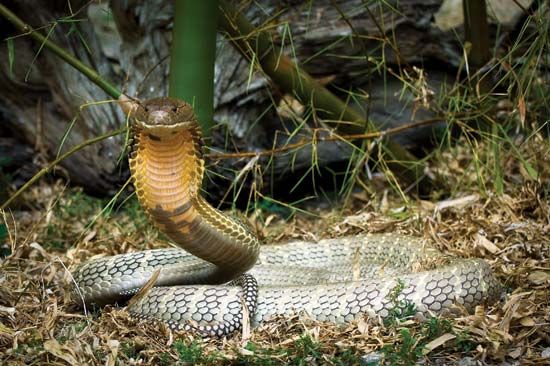
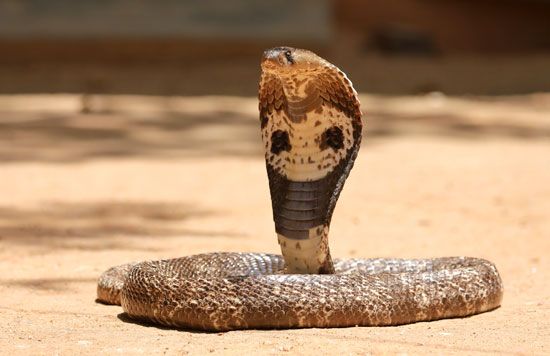
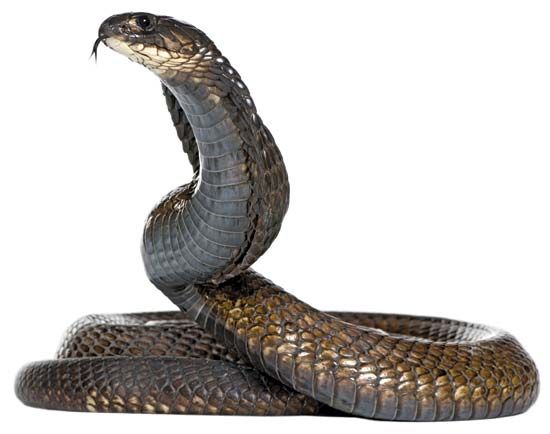
- Cobras: Including the king cobra, Indian cobra, Egyptian cobra, and various spitting cobras.2
- Mambas: Highly venomous, primarily arboreal snakes.32
- Coral snakes: A diverse group of venomous snakes found in various regions.12
- Sea snakes: Aquatic elapids often adapted with paddle-shaped tails for marine life.12
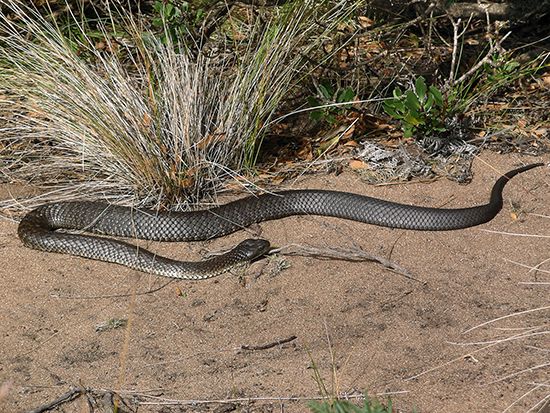
- Australian species: The family is well-represented in Australia, including the taipan, brown snake, tiger snake, black snake, bandy-bandy, and Australian copperhead.12
- Kraits: A genus (Bungarus) of venomous snakes found in Asia.12
What types of venom do elapid snakes produce and how does it affect their prey?
Elapid snakes, which include species such as cobras, mambas, and coral snakes, possess specialized venom primarily composed of neurotoxins. These toxins specifically target the nervous system of their prey, which typically consists of small vertebrates, birds, toads, and other snakes.1536
When an elapid bites, it delivers this venom through short, fixed fangs located at the front of the upper jaw. The neurotoxic components act by disrupting the prey’s vital functions, often leading to paralysis of the heart and lungs, which results in a swift death. While the primary effect is neurotoxic, the venom often contains additional substances that can damage body tissues or blood cells.13
In addition to neurotoxins, some elapids, such as spitting cobras, have evolved to include higher proportions of toxins like phospholipase-A2 in their venom. While these snakes still use their bite to subdue prey, they can also eject venom defensively toward the eyes of a threat to cause intense pain and potential blindness.6
How do elapid snakes differ from other snake families?
Elapid snakes are distinguished from other snake families primarily by their unique dental structure and venom delivery system. Unlike vipers, which possess long, rotatable fangs, elapids are characterized by short, fixed fangs located at the front of the upper jaw. While some other snakes have enlarged, grooved teeth at the rear of the mouth—often referred to as “rear-fanged” snakes—elapids maintain their primary fangs in a stationary, forward position.17
In terms of physical appearance and behavior, terrestrial elapids often resemble the more common colubrids, typically appearing slender and agile. However, aquatic elapids, such as sea snakes, have evolved specialized adaptations for marine life, including paddle-shaped tails. While most elapids lay eggs, a notable exception is found in some Australian species, which bear living young. Their strike is also distinct, involving a downward stab followed by a chewing motion to ensure the delivery of their primarily neurotoxic venom.1
Where are elapid snakes primarily found around the world?
Elapid snakes are widely distributed across the globe, inhabiting a variety of environments in America, Africa, southern Asia, the Pacific Islands, and Australia.1
Their geographic presence is characterized by significant diversity:
- Australia: This region is a major stronghold for the family, home to approximately 60 species of elapids.1
- Marine Environments: Aquatic elapids, specifically sea snakes, are found in the coastal waters of the Indian Ocean and the western Pacific Ocean. While most sea snakes remain in shallow coastal waters, the yellow-bellied sea snake has a vast range, extending across the open ocean from Africa to the west coast of the Americas.9
Sources
- elapid — Encyclopædia Britannica
- rat snake — Encyclopædia Britannica
- cobra — Encyclopædia Britannica
- List of snakes — Encyclopædia Britannica
- Egyptian cobra — Encyclopædia Britannica
- spitting cobra — Encyclopædia Britannica
- scorpion - Distinguishing taxonomic features — Encyclopædia Britannica
- snake - Skull and sense organs — Encyclopædia Britannica
- sea snake — Encyclopædia Britannica
- reptile - North temperate zone — Encyclopædia Britannica
- reptile - Asia — Encyclopædia Britannica
Published on · 3 min read