Are Cheetahs Cats or Dogs?
Cheetahs are cats, not dogs. They are members of the family Felidae, which encompasses all cat species, ranging from the domestic cat to large wild cats like…
Are Cheetahs Cats or Dogs?
Cheetahs are cats, not dogs. They are members of the family Felidae, which encompasses all cat species, ranging from the domestic cat to large wild cats like lions, tigers, and leopards.1
While cheetahs possess unique physical adaptations for high-speed sprinting—such as unretractable claws and an elongated spine—they are genetically and anatomically classified as felines. They share a common ancestor with other members of the Felidae family, distinct from canines, which include dogs, wolves, and foxes. Behaviorally, they also align with other cats, typically hunting as solitary individuals rather than in the packs often associated with canines.12
What physical adaptations allow cheetahs to run so fast?
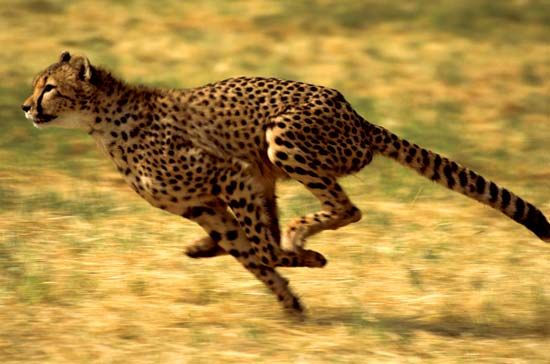
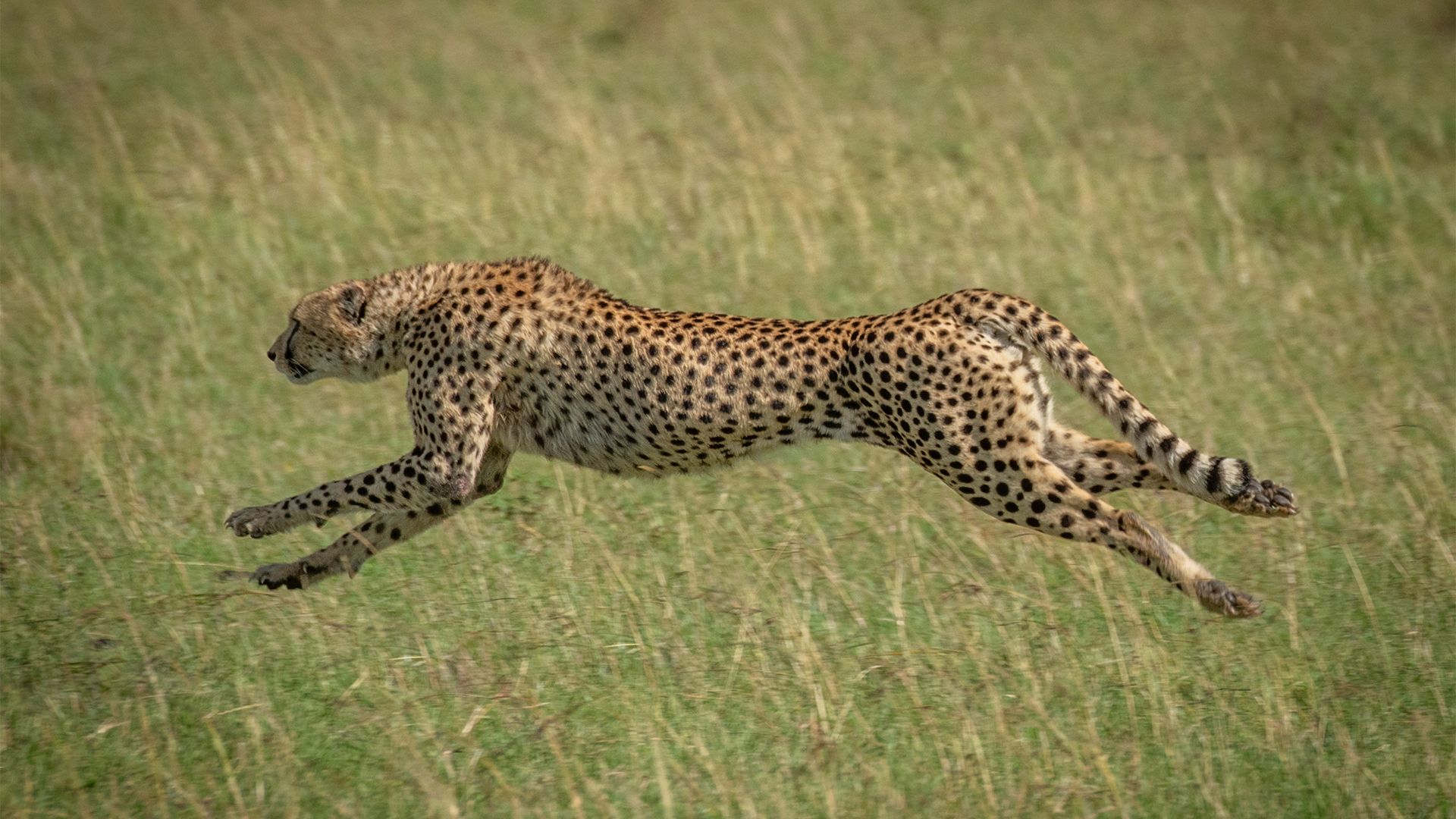
Cheetahs are the world’s fastest land animals, capable of reaching speeds up to 114 km (71 miles) per hour. Their remarkable sprinting ability is supported by several specialized physical and physiological adaptations:
Physical Adaptations
- Skeletal Structure: Cheetahs possess an elongated spine that increases their stride length at high speeds, and their legs are proportionally longer than those of other big cats.52
- Traction and Balance: They have nonretractable claws and hard foot pads that function similarly to athletic cleats, providing essential traction. A long, muscular tail acts as a rudder to help them maintain balance during sharp turns.52
Physiological Adaptations
- Internal Organs: To support the intense energy demands of a sprint, cheetahs have evolved large hearts, lungs, bronchi, nasal passages, and adrenal glands.52
- Metabolic Activity: During a chase, a cheetah can take 60 to 150 breaths per minute. Because their bodies generate heat faster than they can dissipate it through panting or sweating, these high-speed pursuits are typically limited to short bursts of 200 to 300 meters.52
How do cheetahs differ from other big cats like lions and tigers?
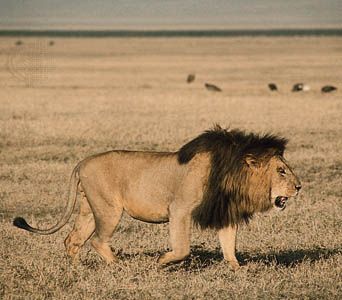
While cheetahs, lions, and tigers all belong to the family Felidae, cheetahs are distinct in their anatomy, hunting strategies, and behavior.1
Physical Differences
Cheetahs are specialized for high-speed sprinting, featuring a slender, aerodynamic frame with long legs and an elongated spine that increases stride length.spine](https://www.britannica.com/science/vertebral-column) that increases stride length. Unlike other big cats, cheetahs have nonretractable claws and hard foot pads that provide traction similar to athletic cleats. In contrast, lions and tigers are more robust and muscular, built for power and strength rather than sustained sprinting.526
Hunting and Behavior
- Strategy: Cheetahs rely on bursts of speed to chase down prey in open areas, whereas lions and tigers are stealthy hunters that typically ambush their prey.6
- Activity Patterns: Cheetahs are primarily diurnal, meaning they are active during the day, particularly in the early morning and late afternoon. Most other big cats are more nocturnal or crepuscular.56
- Social Structure: Cheetahs are often solitary or live in small male coalitions, while lions are known for living in complex social groups called prides.56
What is the difference between the Felidae and Canidae families?
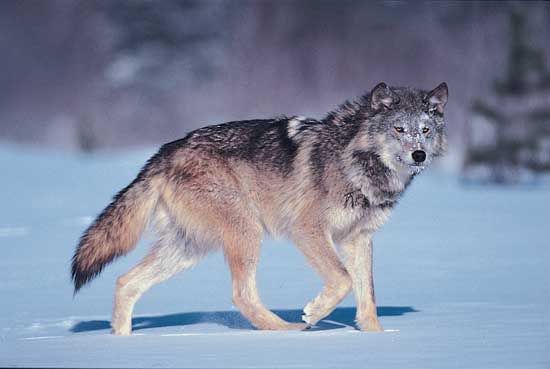
The families Felidae (cats) and Canidae (canines) represent two distinct groups within the order Carnivora, differing significantly in their anatomy, social behavior, and hunting strategies.
Anatomical Differences
- Dentition: Felids are highly specialized, strict flesh-eaters with teeth adapted for stabbing, anchoring, and cutting meat; they lack flat-crowned teeth for grinding. Canines, while also predators, often have more varied diets and may consume plant matter, fruits, and carrion in addition to prey.74
- Senses: Cats possess a tapetum lucidum for superior night vision and are generally nocturnal. Canines are noted for having a keener sense of smell than felines, which is reflected in their longer muzzles.74
- Claws and Gait: Most felids have retractable claws and are digitigrade, walking silently on their toes. Canines generally have nonretractable claws.789
Behavioral Differences
- Social Structure: Canines are often pack hunters that respond to dominance hierarchies and pack loyalty, making them generally easier to train. In contrast, cats are typically solitary hunters that are not genetically programmed for pack cooperation.104
- Communication: Canines utilize a complex repertoire of vocalizations, including howls, barks, and yelps, to maintain pack cohesion. Felids are categorized by their ability to either roar or purr.49
Sources
- Are Cheetahs Cats or Dogs? — Encyclopædia Britannica
- cheetah — Encyclopædia Britannica
- cat — Encyclopædia Britannica
- feline - Form and function — Encyclopædia Britannica
- How fast are cheetahs? — Encyclopædia Britannica
- What’s the difference between a cheetah and a leopard? — Encyclopædia Britannica
- canine — Encyclopædia Britannica
- cat - Origin and history of cats — Encyclopædia Britannica
- canine - Paleontology and classification — Encyclopædia Britannica
- cats as pets - Cats vs. dogs — Encyclopædia Britannica
- cat - Coordination and musculature — Encyclopædia Britannica
- canine - Natural history — Encyclopædia Britannica
Published on · 3 min read