Asphodel
The term "asphodel" refers to several flowering plants within the family Asphodelaceae, though it is a frequently misunderstood common name. While poets have…
What is Asphodel?
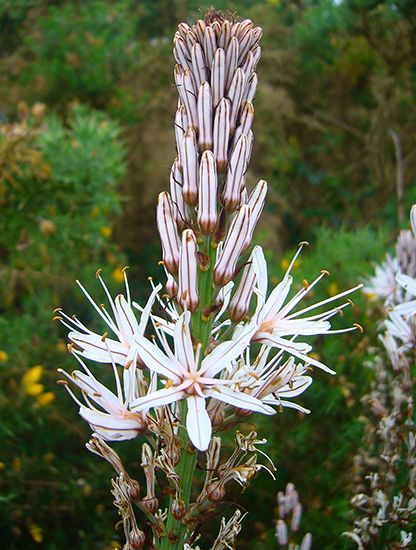
The term “asphodel” refers to several flowering plants within the family Asphodelaceae, though it is a frequently misunderstood common name. While poets have often used the term to describe the narcissus, the asphodel of the ancients typically refers to species within the genera Asphodeline or Asphodelus. In Greek mythology, these flowers were symbolically linked to the underworld, death, and mourning.1
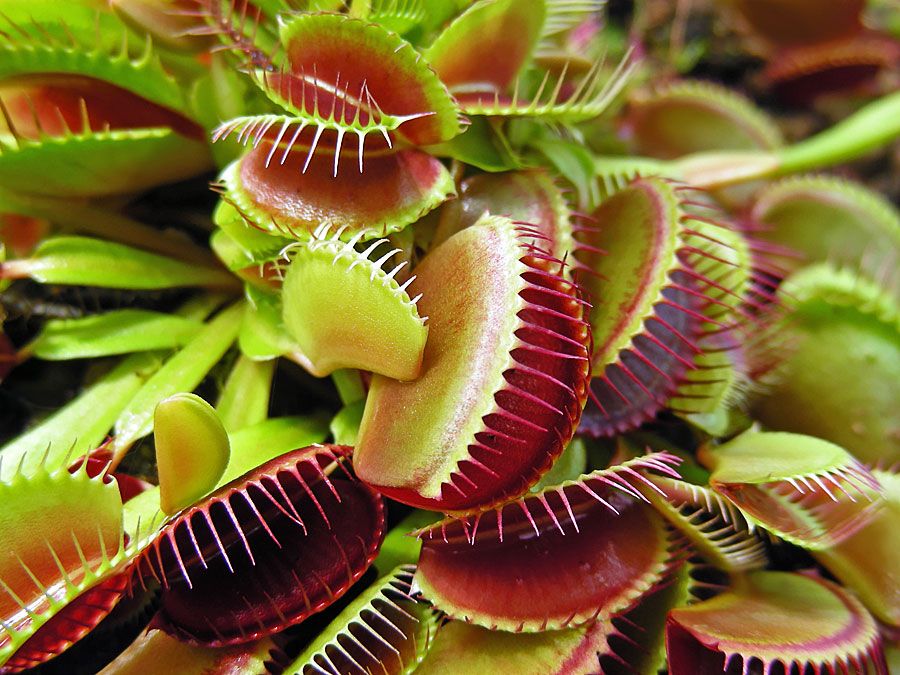
Botanically, these hardy herbaceous perennials are characterized by narrow, grasslike leaves and elongated stems topped with spikes of white, pink, or yellow flowers. Notable examples include the white asphodel (Asphodelus albus) and the yellow-flowered king’s spear. Other plants, such as the bog asphodel and the carnivorous western false asphodel found in North America, share the name but belong to different botanical families.1
What is the significance of the Asphodel Meadows in the Greek underworld?
The Asphodel Meadows, often referred to as the Asphodel Fields, represent a specific region within the Greek underworld. While the provided search results confirm that asphodel flowers were symbolically associated with death and mourning in ancient mythology, they do not contain specific details regarding the function or significance of the Asphodel Meadows themselves as a destination for souls.
The available information focuses on the botanical classification of the asphodel plant and the role of other underworld features, such as the River Lethe, which was associated with oblivion and the loss of memory for the dead.21
How do carnivorous plants like the false asphodel trap their prey?
The western false asphodel (Triantha occidentalis) is a carnivorous plant native to the mountainous bogs of western North America. While many carnivorous plants use elaborate, specialized structures like snap traps or pitchers to capture prey, the false asphodel employs a more subtle method.3
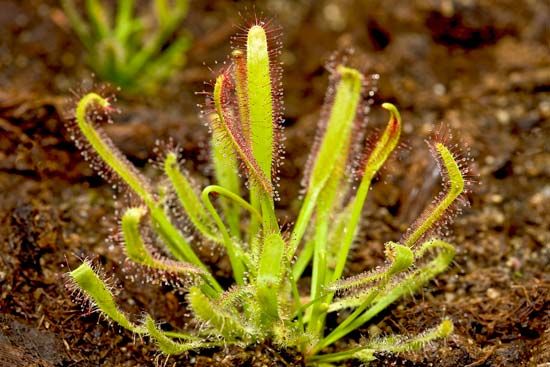
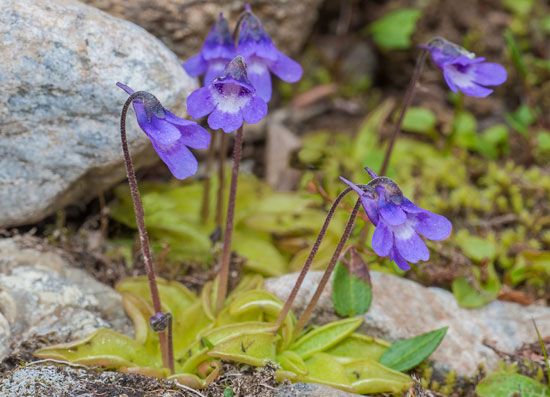
The plant features sticky, glandular hairs on its flowering stems. These hairs secrete a substance that ensnares small insects, functioning similarly to the “flypaper” traps found in other carnivorous species like sundews and butterworts. By trapping these invertebrates, the plant is able to absorb essential nutrients, such as nitrogen, which are often scarce in the nutrient-poor, boggy soils where it grows. This adaptation allows the false asphodel to thrive in environments that would be challenging for many other plants.14
Why were certain flowers traditionally associated with death and mourning?
In ancient cultures, flowers were often imbued with deep symbolic meaning, serving as bridges between the living and the spiritual realms. In Greek mythology, the asphodel was famously associated with the underworld, death, and mourning, becoming a permanent fixture in the landscape of the afterlife.1
The use of flowers in funerary contexts was also prevalent in ancient Egypt. Paintings from tombs, such as that of Apuy at Thebes, depict formal bouquets of lotus blossoms and berries offered to the dead. The lotus, sacred to the goddess Isis, was frequently woven into garlands and wreaths placed on mummies, symbolizing both religious devotion and the cycle of life and death.5
While these associations were often rooted in mythological or religious significance, other cultures viewed floral arrangements through different philosophical lenses. For example, Buddhist traditions in China and Korea used flowers sparingly due to doctrines regarding the preservation of life, while Taoist symbolism utilized specific flowers to represent the seasons and the natural cycle of growth and decline.6
We could dive deeper into the specific mythological origins of other plants or explore how different civilizations developed their unique floral decoration traditions.
Sources
- asphodel — Encyclopædia Britannica
- Lethe — Encyclopædia Britannica
- Do Carnivorous Plants Eat Their Prey? — Encyclopædia Britannica
- Carnivorous plant — Encyclopædia Britannica
- Floral decoration - Ancient world — Encyclopædia Britannica
- Floral decoration - China and Korea — Encyclopædia Britannica
Published on · 3 min read