Do Carnivorous Plants Eat Their Prey?
It is a common misconception that carnivorous plants "eat" their prey for energy. In reality, these plants are photosynthetic, meaning they manufacture their…
Do Carnivorous Plants Eat Their Prey?
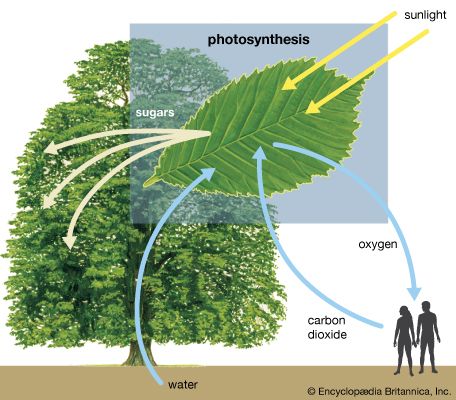
It is a common misconception that carnivorous plants “eat” their prey for energy. In reality, these plants are photosynthetic, meaning they manufacture their own sugars using sunlight, carbon dioxide, and water, just like other plants.1
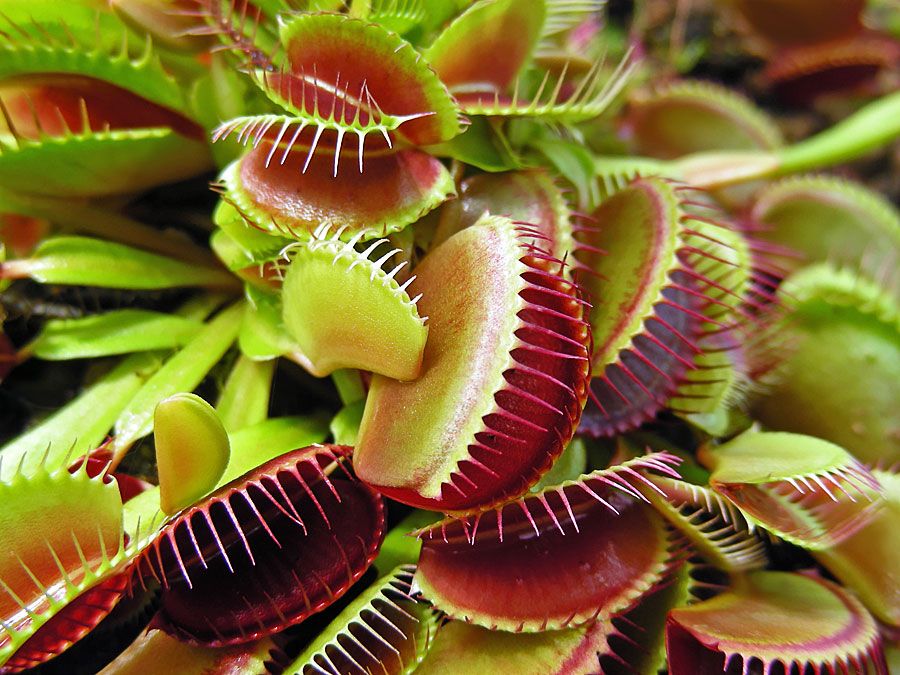
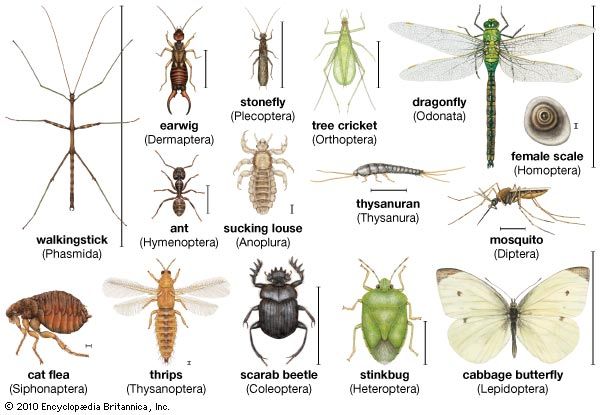
Instead of using prey as a fuel source, carnivorous plants trap and digest insects and other small animals to obtain nitrogen and essential nutrients. These nutrients are often scarce in the poor soils of the bogs and wetlands where these plants typically grow. By evolving specialized mechanisms—such as the pitcher plant’s pitfall traps, the sundew’s adhesive leaves, or the Venus flytrap’s snap traps—they are able to thrive in environments that would be challenging for other vegetation.12
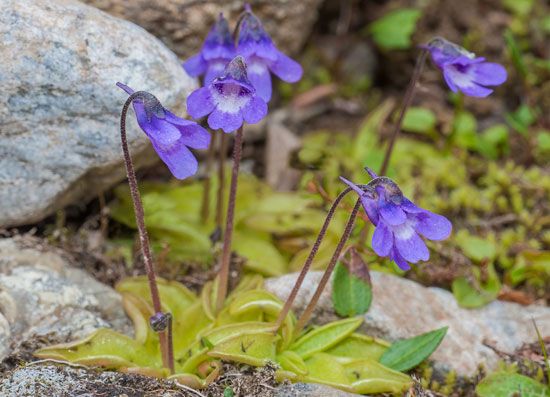
Why do carnivorous plants grow in nutrient-poor soil?
Carnivorous plants grow in nutrient-poor soils because they have evolved to supplement their nutritional needs by capturing prey. While these plants are photosynthetic and produce their own energy from sunlight, they often inhabit challenging environments like bogs and wetlands where essential nutrients—particularly nitrogen—are scarce in the ground.1
In these waterlogged habitats, the soil is often acidic and oxygen-depleted, which slows the decomposition of organic matter and limits the availability of nutrients that plants typically absorb through their roots. By developing specialized traps to digest insects and other small animals, these plants can thrive in ecological niches that would be inhospitable to most other vegetation. This adaptation allows them to bypass the limitations of their environment by sourcing vital minerals directly from their prey.13
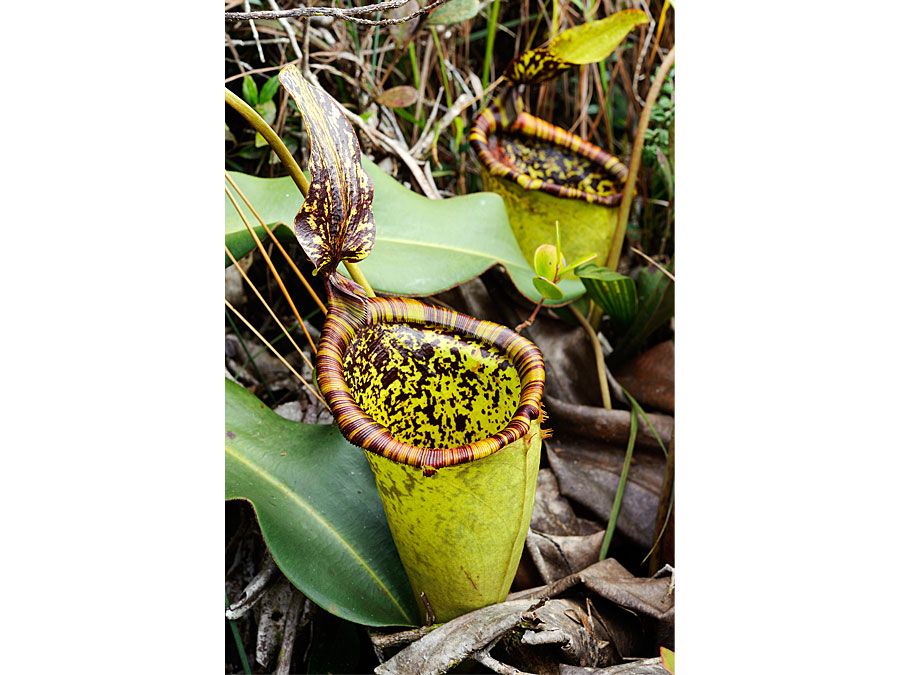
How do different types of traps work?
Carnivorous plants have evolved a diverse array of specialized trapping mechanisms, which are modified leaves designed to capture prey. These mechanisms are generally categorized as active or passive based on whether the plant moves to ensnare its victim.1
Common Trap Types
- Pitfall Traps: Found in pitcher plants, these passive traps consist of a hollow, lidded leaf filled with digestive fluid. Prey is lured into the structure and becomes trapped, eventually breaking down in the liquid.1
- Flypaper Traps: These can be active or passive and rely on sticky mucilage to ensnare insects. Butterworts have sticky leaf surfaces, while sundews use gland-tipped hairs to capture prey.1
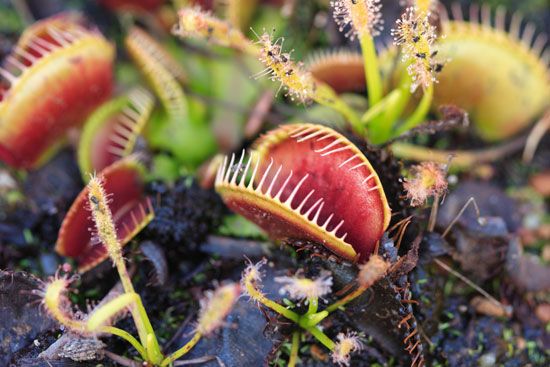
- Snap Traps: Used by the Venus flytrap, these active traps utilize rapid leaf movements to close around an insect once it triggers sensory hairs.1
- Bladder Traps: Exclusive to bladderworts, these active traps use a partial vacuum to suddenly suck in small aquatic organisms when a trigger is touched.71
- Lobster-pot Traps: Employed by corkscrew plants, these use downward-pointing hairs to force prey deeper into the trap.1
Once captured, the plants use enzymes or bacteria to digest the prey, absorbing essential nutrients like nitrogen.1
What are some examples of plants that eat vertebrates?
While most carnivorous plants primarily consume insects and other invertebrates, some larger species are capable of capturing and digesting vertebrates.
The most notable examples are certain large pitcher plants (genus Nepenthes). These plants utilize passive pitfall traps—hollow, lidded leaves filled with digestive fluids—to lure and drown their prey. In addition to their typical insect diet, these larger pitcher plants have been documented consuming small animals such as:
These plants digest their prey using enzymes or bacteria to break down the animal tissue, allowing the plant to absorb essential nutrients like nitrogen that are otherwise scarce in their native, nutrient-poor soils. This adaptation enables them to thrive in challenging environments like bogs and wetlands where traditional root absorption is insufficient.110
Sources
- Do Carnivorous Plants Eat Their Prey? — Encyclopædia Britannica
- list of carnivorous plants — Encyclopædia Britannica
- Wetland - Soils — Encyclopædia Britannica
- carnivore — Encyclopædia Britannica
- nutrition - Carnivores — Encyclopædia Britannica
- Wetland - Climate — Encyclopædia Britannica
- Bladderwort — Encyclopædia Britannica
- Western Australian pitcher plant — Encyclopædia Britannica
- Carnivorous plant — Encyclopædia Britannica
- dinosaur - The plant eaters — Encyclopædia Britannica
- reptile - Feeding habits — Encyclopædia Britannica
Published on · 3 min read