Bog of Allen
The Bog of Allen is a vast group of peat bogs located in east-central Ireland, spanning approximately 370 square miles (958 square km) across the counties of…
What is Bog of Allen?
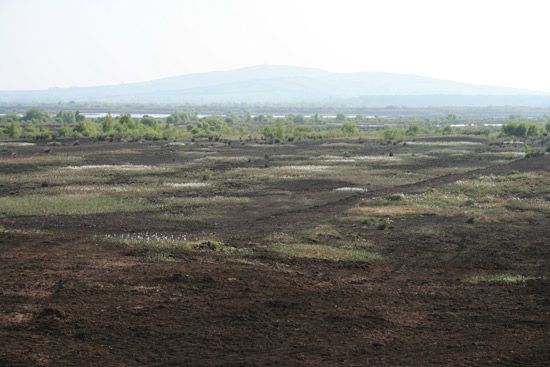
The Bog of Allen is a vast group of peat bogs located in east-central Ireland, spanning approximately 370 square miles (958 square km) across the counties of Kildare, Offaly, Laoighis, and Westmeath1.
Situated between the Liffey and Shannon rivers, the area has been extensively developed to provide fuel for power stations, while the resulting cutover land is utilized for grazing. The region is historically significant and is traversed by the Grand and Royal canals, the latter of which is no longer in operation. Additionally, the landscape contains an early monastic site.1
How are peat bogs formed?
Peat bogs are formed through a process called peatification, which occurs in waterlogged, acidic environments where the lack of oxygen (anaerobic conditions) prevents the complete decomposition of organic matter.2
The formation process typically follows these stages:
- Accumulation: In depressions or glaciated basins, water accumulates from rainfall or mineral-poor meltwater. This environment supports the growth of peat moss (Sphagnum), which thrives in acidic, nutrient-poor conditions.34
- Inhibition of Decay: As Sphagnum grows, it absorbs minerals and releases acid, further increasing the acidity of the water. This high acidity, combined with the lack of oxygen and low temperatures, severely retards the activity of bacteria and fungi that would otherwise decompose dead plant material.564
- Mat Development: A floating mat of moss and other vegetation forms on the surface. As the plants grow upward, the lower parts die and sink, creating a layer of peat. Over time, the basin fills from both the top down and the bottom up.4
- Raised Bogs: If rainfall is sufficient, the water-retaining properties of the moss allow the bog to continue growing upward, eventually rising above the original water table to form a raised bog.4
What unique plants and animals live in Irish bogs?
Irish bogs are specialized, acidic environments that support a unique, albeit limited, range of flora and fauna adapted to waterlogged, nutrient-poor conditions.
Flora
The vegetation of Irish bogs is dominated by peat mosses (Sphagnum), which create the acidic conditions necessary for bog formation. Other characteristic plants include:27
- Heaths: Various members of the Ericaceae family, such as St. Dabeoc’s heath and bell heather.26
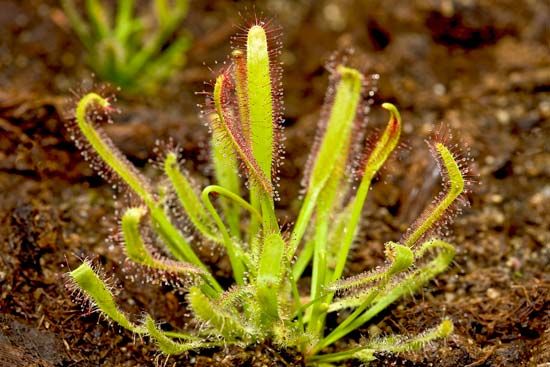
- Insectivorous Plants: Sundews are common, having evolved to capture insects to supplement their nutrient intake in the impoverished soil.26
- Sedges and Grasses: Species such as cotton grass and Eriocaulon aquaticum (a pipewort) are frequently found.26
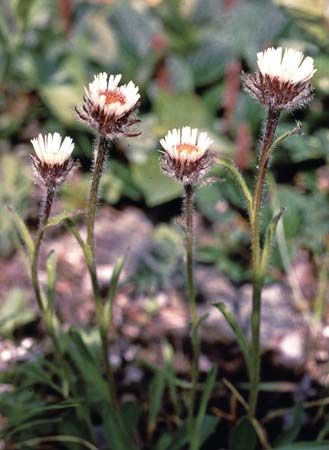
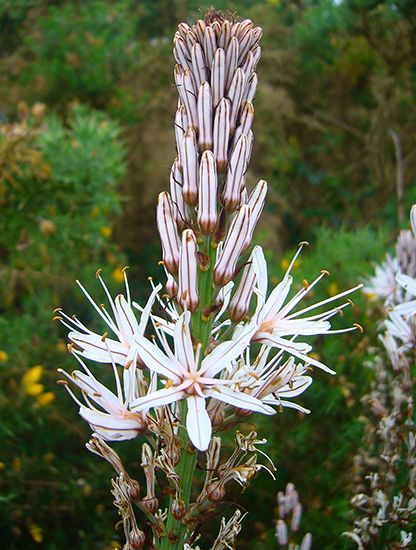
- Other Species: The landscape also hosts orchids, bog asphodel, and yellow fleabane.26
Fauna
Animals are generally not common in these habitats due to the harsh, acidic conditions. While Ireland is home to diverse birdlife—particularly waterfowl that migrate or winter in the country—the mammalian population is distinct. Endemic mammals found in Ireland include the Irish stoat and the Irish hare, both of which may inhabit or traverse these landscapes.26
Why is peat used as a fuel source?
Peat is used as a fuel source because it is a combustible organic material that, when dried, burns readily with a characteristic odor and flame. It serves as a traditional alternative to firewood for domestic heating and cooking, and it can be processed into briquetted or pulverized forms suitable for boiler firing or even small-scale electricity generation.3
While peat is sometimes referred to as a “slowly renewable energy” source, it is classified by the Intergovernmental Panel on Climate Change (IPCC) as a solid fossil rather than biomass. It is important to note that the use of peat is increasingly discouraged in the 21st century. Because peatlands act as the world’s largest natural terrestrial carbon sink, harvesting peat and damaging these ecosystems releases significant greenhouse gas emissions, contributing to global warming3. Protecting these environments is essential for mitigating climate change and maintaining vital ecosystem services.3
Sources
- Bog of Allen — Encyclopædia Britannica
- Bog - Flora — Encyclopædia Britannica
- peat — Encyclopædia Britannica
- Wetland - Peatlands — Encyclopædia Britannica
- Bog - Formation and structure — Encyclopædia Britannica
- peat moss — Encyclopædia Britannica
- Ireland - Plant and animal life — Encyclopædia Britannica
- Bog — Encyclopædia Britannica
- bryophyte - Ecology and habitats — Encyclopædia Britannica
- peat coal — Merriam-Webster
Published on · 3 min read