British Indian Ocean Territory
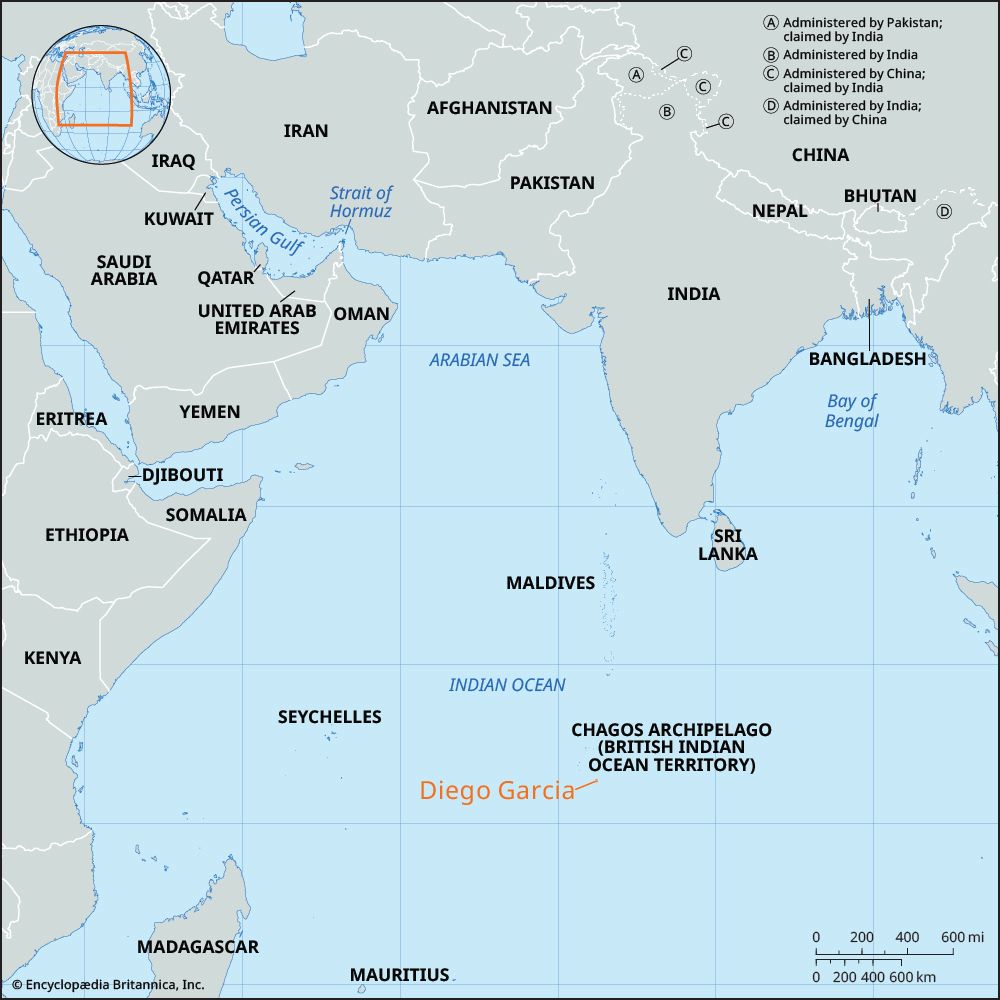
The British Indian Ocean Territory (BIOT), which has been coterminous with the Chagos Archipelago since 1976, is located in the central Indian Ocean. The…
What wildlife and marine life can be found in and around the British Indian Ocean Territory?
The British Indian Ocean Territory (BIOT), which has been coterminous with the Chagos Archipelago since 1976, is located in the central Indian Ocean. The territory is characterized by tropical shallow waters that support a thriving marine ecosystem.123
Marine Life
The region’s coral reefs and atolls provide critical habitats for a diverse array of marine organisms. Key features of this environment include:34
- Coral Reefs: The area is home to reef-building stony corals, which create complex structures that shelter numerous species.4
- Marine Fauna: The waters host a variety of sponges, mollusks, crabs, sea urchins, and starfish.3
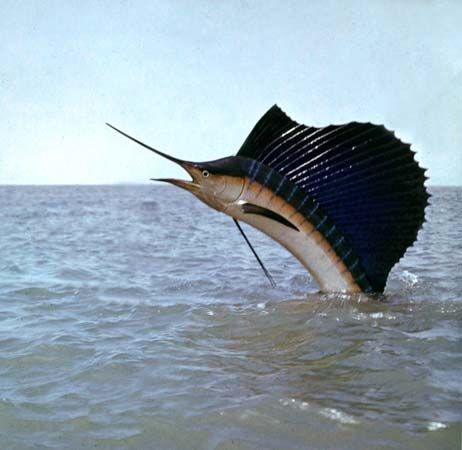
- Fish: The region supports a wide range of species, including brightly colored reef fish, flying fish, lantern fish, tunnies, sailfish, and various sharks.3
- Marine Mammals: Larger marine life, such as dolphins, whales, and dugongs, are also found in the surrounding waters.3
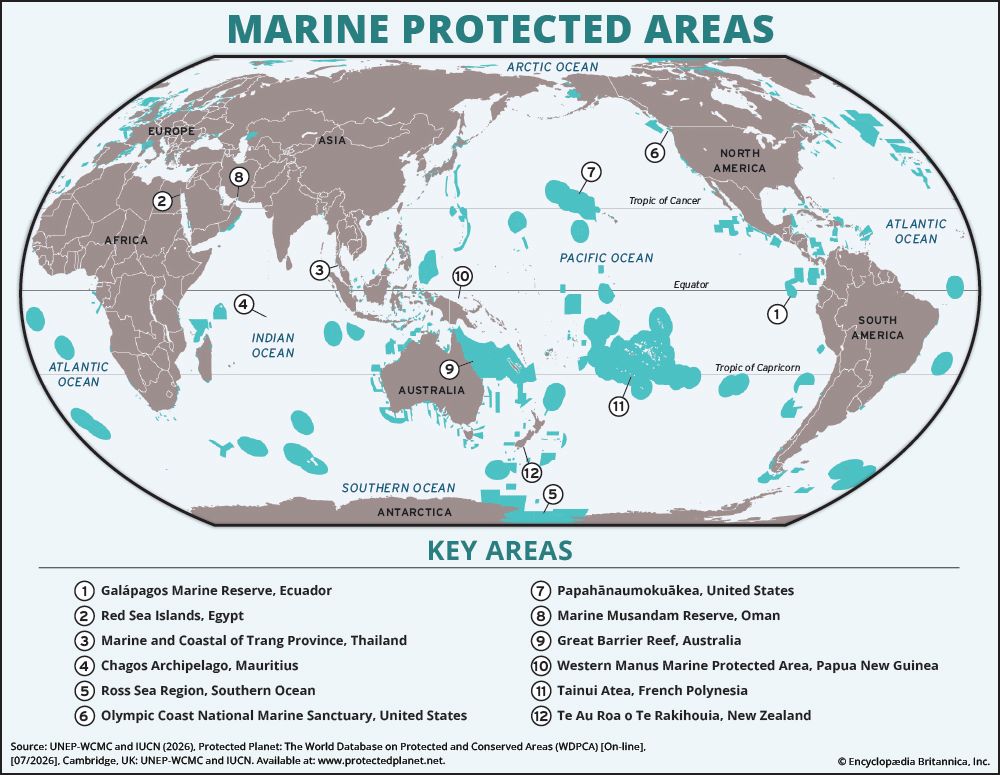
In 2010, the British government announced the establishment of a marine reserve covering approximately 210,000 square miles to protect this biodiversity.12
What are the main economic activities in the British Indian Ocean Territory?
The British Indian Ocean Territory (BIOT) does not currently have a civilian economy. Historically, the primary economic activity was the production of copra from coconut plantations, which ceased in the early 1970s following the removal of the civilian population to facilitate the development of military facilities.89
Today, the territory serves primarily as a strategic location for a major United States and United Kingdom military base on Diego Garcia. The islands are inhabited only by approximately 4,000 military and contract civilian personnel who support these operations.1089
Additionally, in 2010, the British government established a large marine reserve covering approximately 210,000 square miles around the Chagos Archipelago. This designation prohibits commercial fishing within the protected area, further distinguishing the territory from regions with active agricultural or commercial fishing industries.9
When and how did the British Indian Ocean Territory become a British colony?
The British Indian Ocean Territory (BIOT) was established by the United Kingdom in 1965 during the Cold War. Its creation was the result of an agreement between the British and United States governments to facilitate the construction of defense and communications facilities in the central Indian Ocean to counter Soviet influence2.2
At its inception, the territory comprised the Chagos Archipelago—formerly part of the Mauritius colony—along with the Aldabra Islands and the Farquhar and Desroches islands, which were detached from the Seychelles colony. The islands obtained from Seychelles were returned in 1976 upon that colony’s independence, leaving the BIOT coterminous with the Chagos Archipelago.42
The legality of this decolonization process has been a subject of significant international dispute. In 2019, the International Court of Justice issued an advisory opinion finding the process illegal and recommending the end of British administration. Following this, a treaty to transfer sovereignty to Mauritius was signed in May 2025, though it awaits final legislative action.42
What is the strategic importance of the British Indian Ocean Territory?
The British Indian Ocean Territory (BIOT) holds significant strategic importance primarily due to its central location in the Indian Ocean and its role as a critical hub for military power projection.89
Military and Strategic Role
The territory, specifically the Diego Garcia atoll, hosts a major military base operated jointly by the United States and the United Kingdom. Established during the Cold War to counterbalance Soviet influence, the base provides essential air and naval support facilities. Its strategic value is highlighted by its use in several major military operations, including:8294
- The Persian Gulf War (1990–91)
- U.S.-led strikes on Afghanistan (2001)
- The initial phase of the Iraq War (2003)
The base serves as a vital platform for projecting influence across the Middle East, South Asia, and East Africa. Furthermore, its location outside the path of cyclonic storms enhances its reliability as a permanent military installation.892
Emerging Challenges
While the base remains a critical asset, its strategic profile also makes it a potential target. In March 2026, the island was targeted by Iran using long-range missiles, underscoring its status as both a power-projection hub and an exposed point within the reach of modern missile capabilities.4
Sources
- British Indian Ocean Territory — Merriam-Webster
- British Indian Ocean Territory — Encyclopædia Britannica
- Indian Ocean - Biological resources — Encyclopædia Britannica
- Chagos Archipelago — Encyclopædia Britannica
- Seychelles - Plant and animal life — Encyclopædia Britannica
- Marine ecosystem - Benthos — Encyclopædia Britannica
- Procellariiform - Importance to humans — Encyclopædia Britannica
- Diego Garcia: Top Questions — Encyclopædia Britannica
- Diego Garcia — Encyclopædia Britannica
- Andaman and Nicobar Islands - Agriculture, forestry, and fishing — Encyclopædia Britannica
- Dominica - Manufacturing, trade, and services — Encyclopædia Britannica
- Nunavut - Fishing and hunting — Encyclopædia Britannica
- Chagos Archipelago: Top Questions — Encyclopædia Britannica
Published on · 3 min read