end-Triassic Extinction
The end-Triassic extinction is widely considered the pivotal event that allowed dinosaurs to ascend as the dominant terrestrial vertebrates on Earth.
How did the end-Triassic extinction pave the way for the rise of dinosaurs?
The end-Triassic extinction is widely considered the pivotal event that allowed dinosaurs to ascend as the dominant terrestrial vertebrates on Earth.1
While the exact impact of this mass extinction on land remains a subject of scientific study, it resulted in the disappearance of a significant portion of the existing vertebrate fauna. Before this transition, terrestrial ecosystems were largely dominated by synapsids and therapsids—the ancestors of modern mammals—which occupied various ecological niches and grew to large sizes.123
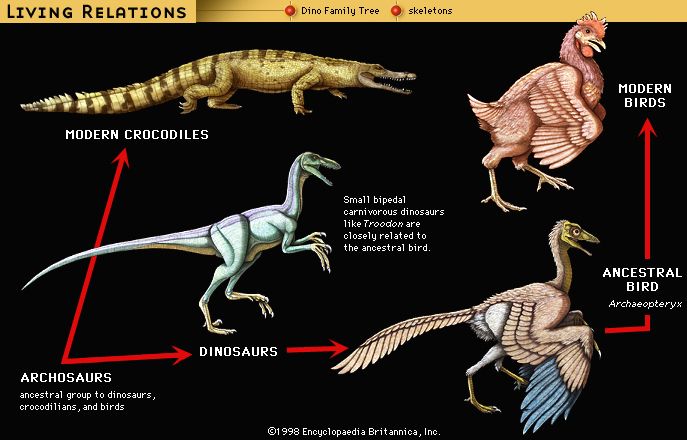
Following the extinction, these groups became rare and significantly reduced in size, while archosaurs, including dinosaurs, were little affected by the transition. Many paleontologists maintain that the extinction opened ecological niches that were previously held by these competitors, allowing dinosaurs to fill them relatively quickly and initiate the great radiation that characterized their dominance throughout the Jurassic and Cretaceous periods.134
How did the end-Triassic extinction compare to other mass extinction events in Earth’s history?
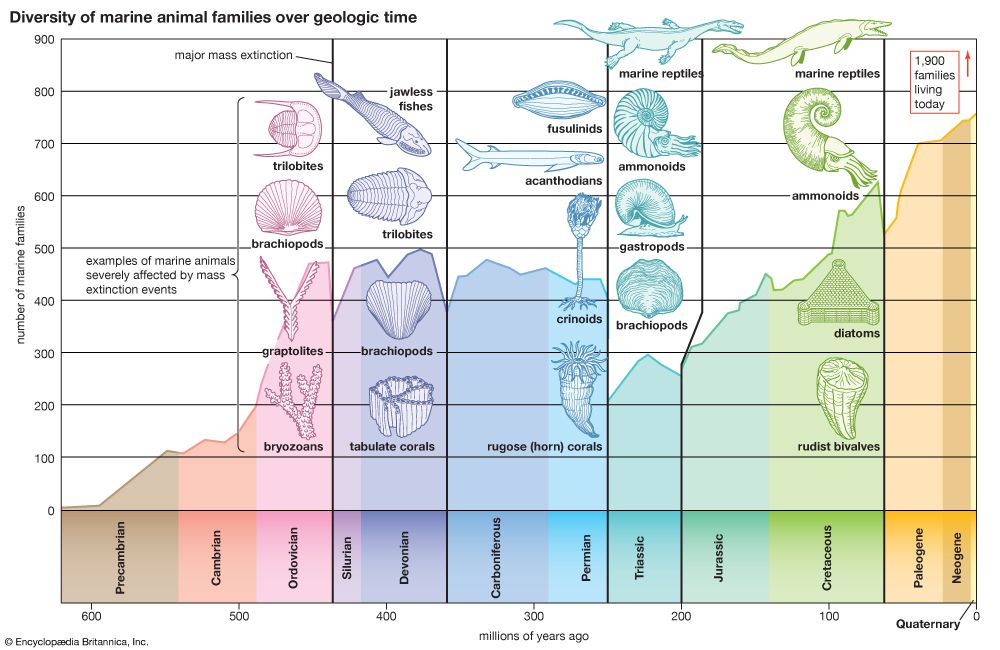
The end-Triassic extinction, which occurred approximately 201 million years ago, ranks as the fourth most severe of the five major mass extinction events in Earth’s history.28
Comparison to Other Major Extinctions
While the end-Triassic event was significant, it was less devastating than the Permian extinction—the “Great Dying”—which occurred about 50 million years earlier and eliminated roughly 95 percent of marine species and 70 percent of terrestrial ones. In contrast, the end-Triassic extinction resulted in the loss of about 76 percent of all species and 20 percent of taxonomic families.298
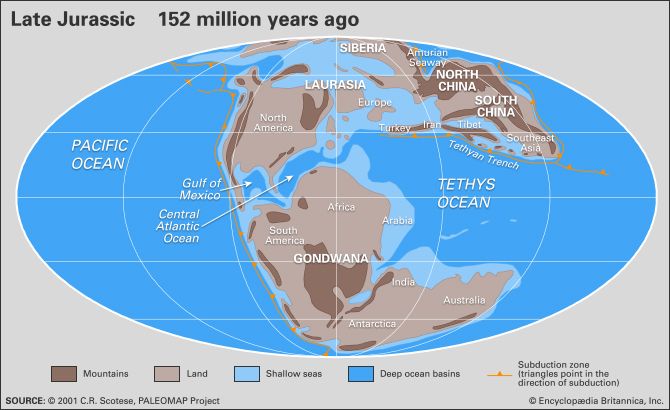
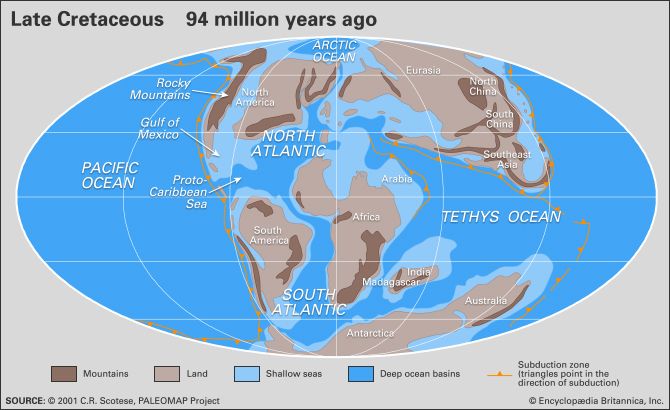
Compared to the Cretaceous-Paleogene (K-Pg) extinction, which is famously linked to an asteroid impact and the demise of non-avian dinosaurs, the end-Triassic event is often attributed to massive volcanic activity associated with the breakup of the supercontinent Pangea2. Unlike the K-Pg event, which saw the collapse of dinosaur populations, the end-Triassic extinction notably spared dinosaurs, allowing them to fill the ecological niches left by other declining vertebrate groups.932
Summary of Severity
Extinction Event
Approximate Timing
Primary Impact
Permian
252 Ma
~95% marine, ~70% land species lost
Ordovician-Silurian
444 Ma
~85% marine species lost
Cretaceous-Paleogene
66 Ma
~80% of all animal species lost
End-Triassic
201 Ma
~76% of all species lost
Late Devonian
372 Ma
~70–80% of animal species lost
What was the time period of the end-Triassic extinction event?
The end-Triassic extinction occurred at the conclusion of the Triassic Period, approximately 201 million years ago.12
The Triassic Period itself spanned from about 252 million to 201 million years ago, serving as the first period of the Mesozoic Era. The extinction event, which coincided with intense volcanic activity during the breakup of the supercontinent Pangea, marks the boundary where the Triassic was succeeded by the Jurassic Period.5213
What evidence do scientists use to study the end-Triassic extinction?
To study the end-Triassic extinction, scientists analyze a variety of geological and biological evidence to reconstruct the environmental conditions of the time:
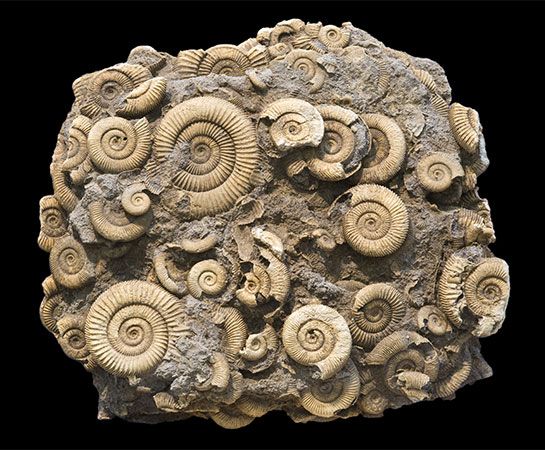
- Fossil Record: Researchers examine the fossil record to track the disappearance of specific groups. The extinction is particularly noted for the loss of conodonts and many ammonoids, which serve as index fossils for dating rock strata.210
- Flood Basalts: Modern studies analyze the flood basalts of the Central Atlantic Magmatic Province. These igneous rocks provide evidence of intense, short-lived volcanism that coincided with the onset of the extinction approximately 201.5 million years ago.24
- Geochemical Indicators: Scientists investigate evidence of rapid climate change, such as shifts in carbon levels, which suggest a massive release of carbon dioxide into the atmosphere. This is thought to have strengthened the greenhouse effect and caused ocean acidification.210
- Sedimentary Analysis: Researchers look for signs of environmental stress, such as oceanic anoxia and sea level fluctuations, which may have been triggered by climatic shifts or the rifting of the supercontinent Pangea.210
Sources
- A Journey Through Time Since the Precambrian - Triassic Period: 252.2 million to 201.3 million years ago — Encyclopædia Britannica
- end-Triassic extinction — Encyclopædia Britannica
- Triassic Period - End-Triassic extinctions — Encyclopædia Britannica
- Triassic Period - Permian-Triassic extinctions — Encyclopædia Britannica
- Triassic Period — Encyclopædia Britannica
- dinosaur - Habitats — Encyclopædia Britannica
- Jurassic Period - Vertebrates — Encyclopædia Britannica
- mass extinction event — Encyclopædia Britannica
- Major Mass Extinctions — Encyclopædia Britannica
- dinosaur - Faunal changes — Encyclopædia Britannica
- Permian Period - Alteration of the carbon cycle — Encyclopædia Britannica
- Mesozoic Era - Mesozoic geology — Encyclopædia Britannica
Published on · 3 min read