Ghost Pepper
The ghost pepper, also known as bhut jolokia, is a small-fruited chili pepper in the nightshade family (Solanaceae). It is a cultivar of the species Capsicum…
What is Ghost pepper?
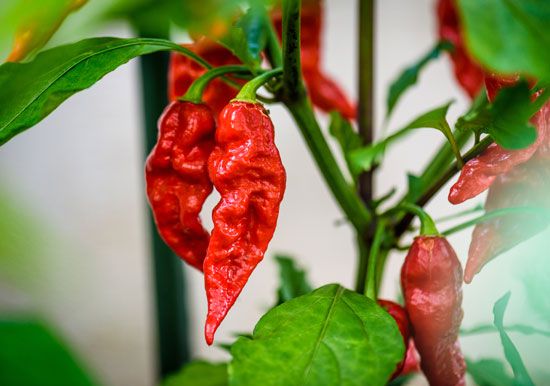
The ghost pepper, also known as bhut jolokia, is a small-fruited chili pepper in the nightshade family (Solanaceae). It is a cultivar of the species Capsicum chinense and is primarily grown in northeast India.12
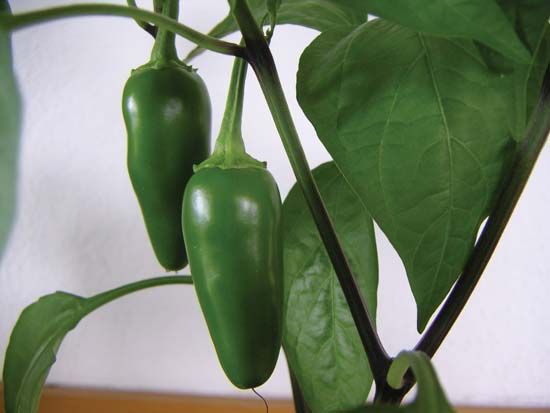
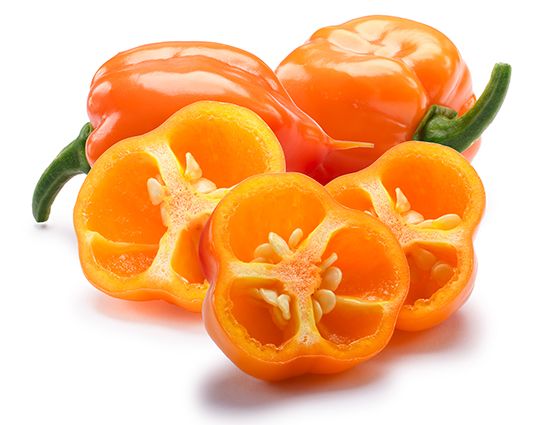
The pepper is renowned for its extreme heat, which is derived from capsaicin and other capsaicinoids. On the Scoville scale, which measures the pungency of peppers in Scoville Heat Units (SHU), the ghost pepper averages about 1 million SHU. For comparison, a habanero typically measures up to 350,000 SHU, while a jalapeño registers around 8,000 SHU.234
Recognized as the world’s hottest chili in 2007, the ghost pepper has since been surpassed by even hotter varieties, such as the Carolina Reaper. Due to its intense heat, it is not widely used in cooking, though it can be consumed fresh or as a dried spice.2
What is capsaicin and how does it affect the human body?
Capsaicin is an organic nitrogen compound and the primary pungent component found in chili peppers of the genus Capsicum. While often mistakenly categorized as an alkaloid, it is technically a lipid-group compound with the molecular formula C18H27NO3C_{18}H_{27}NO_{3}.54
Effects on the Human Body
When consumed, capsaicin provides the characteristic “heat” or pungency associated with peppers, which is measured using the Scoville scale. Beyond its sensory impact, capsaicin has significant physiological effects:5
- Therapeutic Applications: Topical creams and gels containing capsaicin are used as analgesics to relieve muscle and joint pain, including arthritis, migraines, neuralgia, and diabetic neuropathy. A common, temporary side effect of these treatments is a mild burning sensation at the application site.56
- Clinical Potential: Research suggests that capsaicin may help lower cholesterol and blood pressure, assist in controlling hypertension, obesity, and gastrointestinal disorders, and potentially slow the proliferation of prostate cancer cells. It has also been studied for its ability to counter the effects of depression and other mood disorders.6
How do scientists measure the heat of peppers more accurately than the Scoville scale?
While the Scoville scale remains a popular tool for consumers, it is inherently subjective because it relies on human testers whose sensitivity to capsaicin can vary due to sensory fatigue and individual differences.27
To measure the heat of chili peppers more accurately and objectively, scientists use High-Performance Liquid Chromatography (HPLC). Unlike the traditional Scoville method, which requires a panel of human tasters to detect the dilution point of a pepper extract, HPLC is an analytical chemistry technique that directly measures the precise concentration of capsaicin and related capsaicinoids in a sample.
By identifying the exact chemical composition, HPLC provides a quantitative, reproducible result that is not influenced by human perception or sensory limitations. These results are then converted into American Spice Trade Association (ASTA) pungency units, which can be mathematically translated into Scoville Heat Units (SHU) to maintain consistency with the traditional scale.
What are some other plants in the nightshade family?
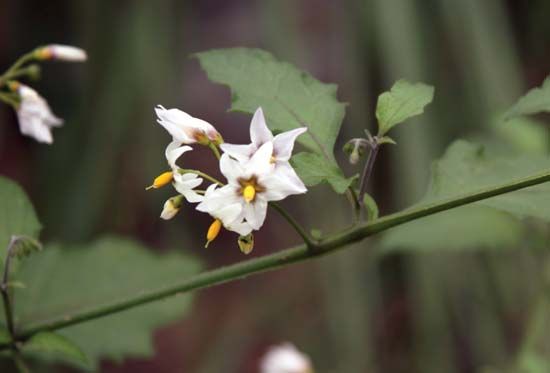
The Solanaceae family, commonly known as the nightshade or potato family, encompasses more than 100 genera and approximately 2,280 species. While the family is famous for its economically important food crops, it also includes a wide variety of ornamental, pharmaceutical, and recreational plants.8910
Common Members of the Solanaceae Family
- Food Crops: Beyond potatoes, tomatoes, and eggplants, the family includes various peppers (Capsicum species), such as bell peppers, cayenne, and tabasco peppers, as well as tomatillos and Cape gooseberries.810
- Ornamentals: Many species are cultivated for their aesthetic value, including petunias, angel’s trumpets, and flowering tobacco), and flowering tobacco.1110
- Pharmaceutical & Toxic Plants: Several members are known for their potent alkaloids, such as belladonna, jimsonweed, henbane, and mandrake.81110
- Recreational: Tobacco (Nicotiana species) is the most prominent member used for recreational purposes.910
Many of these plants are characterized by flowers with five petals and sepals, and they often produce berries or capsules as fruit.89
Sources
- ghost pepper — Merriam-Webster
- Scoville scale — Encyclopædia Britannica
- Ghost pepper — Encyclopædia Britannica
- habanero — Encyclopædia Britannica
- Capsaicin — Encyclopædia Britannica
- capsaicin — Merriam-Webster
- Scoville scale: Top Questions — Encyclopædia Britannica
- list of plants in the family Solanaceae — Encyclopædia Britannica
- Solanales - Family characteristics — Encyclopædia Britannica
- Nightshade — Encyclopædia Britannica
- Solanaceae — Encyclopædia Britannica
- list of economically important members of the family Solanaceae — Encyclopædia Britannica
Published on · 3 min read