Quagga
The quagga (Equus quagga quagga) was a subspecies of the plains zebra that once inhabited the vast grasslands of South Africa.
What is quagga?
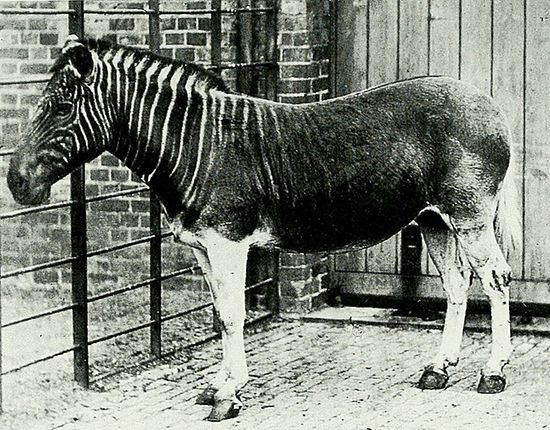
The quagga (Equus quagga quagga) was a subspecies of the plains zebra that once inhabited the vast grasslands of South Africa.12
Unlike other zebras, the quagga was characterized by a unique coat pattern: its head, neck, and upper body were reddish-brown with dark brown stripes that faded toward the rear, while its legs, tail, and undersurface were nearly white. It featured a high crest and a standing mane that was banded in brown and white.1
Unfortunately, the quagga is now extinct. The last known individual died at the London Zoo in 1872. Today, it is recognized as one of the six subspecies of the plains zebra, all of which are members of the horse family, Equidae.12
What caused the extinction of the quagga?
The extinction of the quagga (Equus quagga quagga) was primarily driven by human activity. European settlers in southern Africa hunted the animals extensively for their meat and hides, leading to their rapid decline and eventual disappearance from the wild.1
While the last known individual in captivity died in the late 19th century—with reports citing either the London Zoo in 1872 or the Amsterdam Zoo in 1883—the species had already been decimated by overhunting. It is a moral imperative to recognize that the loss of the quagga serves as a stark reminder of the devastating impact unregulated exploitation can have on biodiversity and the natural world.31
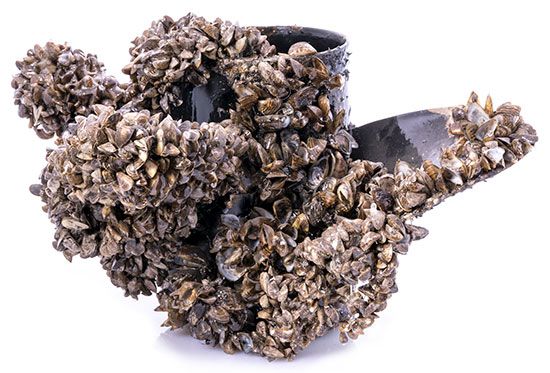
It is important to distinguish this extinct subspecies from the quagga mussel, an unrelated invasive mollusk species that shares the name but poses a modern ecological threat to waterways.14
How do scientists use DNA to learn about extinct animals?
Scientists use DNA to study extinct animals by collecting and sequencing genetic material preserved in remains, such as fossils or carcasses found in permafrost. This genetic data serves several critical scientific purposes:5
- Phylogenetic Analysis: By comparing DNA sequences between extinct and living species, researchers can determine evolutionary relationships and construct “trees of life.” This helps scientists understand how species diverged from common ancestors over millions of years.67
- Measuring Divergence: Scientists measure the number of nucleotide or amino acid substitutions between homologous sequences to estimate how long ago two species shared a common ancestor. Different types of DNA, such as mitochondrial DNA, are chosen based on their mutation rates to study both recent and ancient evolutionary events.67
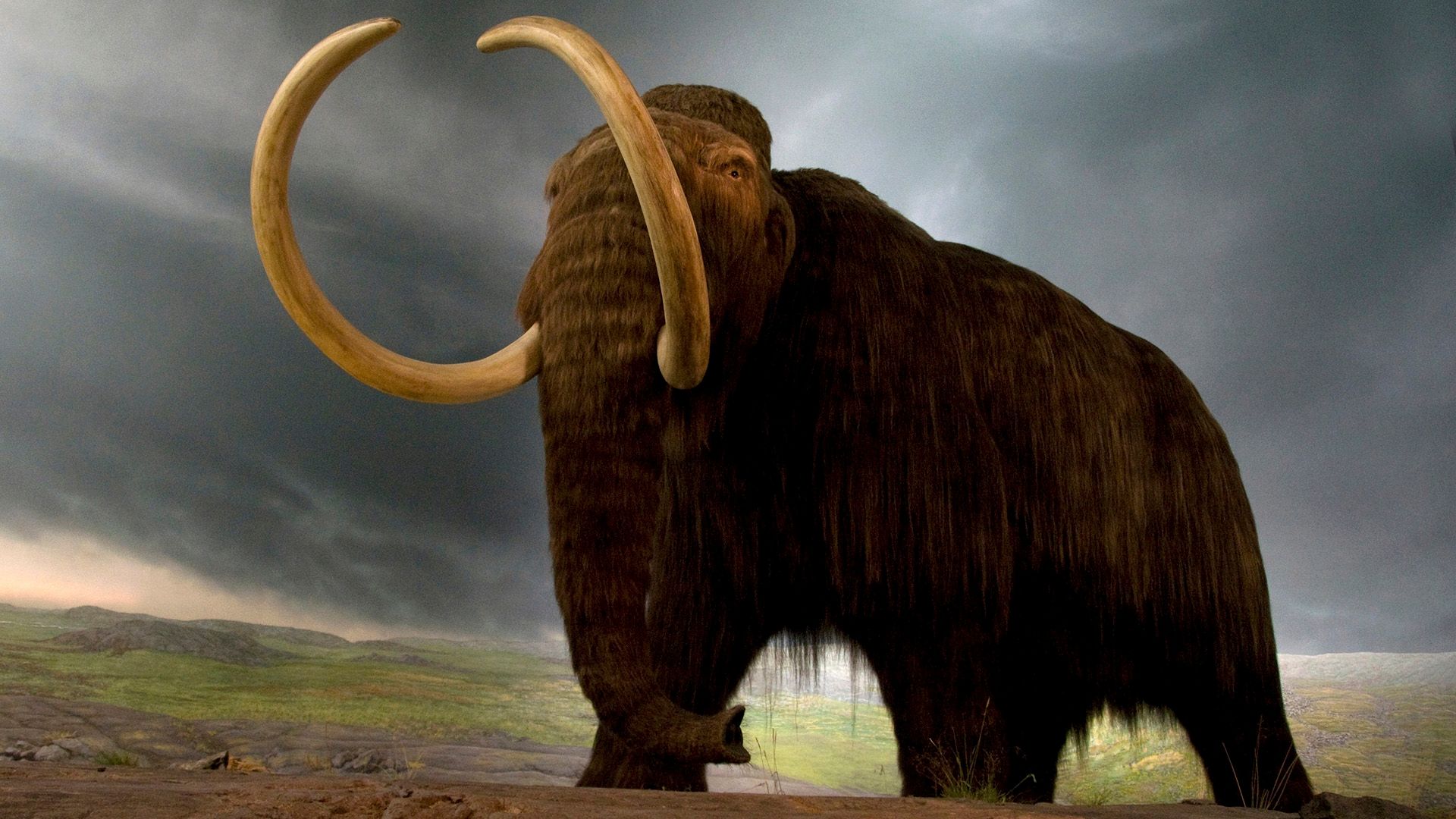
- De-extinction Research: Advances in genetics and gene editing allow researchers to study the genomes of extinct animals. Some biotechnology companies are attempting to modify the DNA of living relatives—such as using an Asian elephant embryo to potentially recreate traits of the woolly mammoth—though this remains a subject of significant scientific debate.5
What are the main differences between the three living species of zebras?
The three living species of zebras—the plains zebra, Grevy’s zebra, and mountain zebra—can be distinguished by their unique physical characteristics and social behaviors.2
Physical Differences
The most prominent differences lie in their stripe patterns:
- Plains Zebra: Features wide, widely spaced stripes. Some subspecies exhibit lighter “shadow stripes” between the main ones.2
- Mountain Zebra: Possesses smaller, closely spaced stripes on the head and shoulders, which become widely spaced on the haunches. They also have a distinct gridlike pattern on the rump.2
- Grevy’s Zebra: Displays the narrowest and most closely spaced stripes of the three. It is the only species with a white belly and a second chevron on the rump.2
Social and Behavioral Differences
- Mating Systems: Plains and mountain zebras live in stable family groups (harems) led by a stallion. In contrast, Grevy’s zebra males are territorial, marking areas with dung piles to control access to resources.2
- Habitat: Plains zebras inhabit grasslands, while mountain zebras prefer dry uplands, and Grevy’s zebras occupy arid, sparsely wooded regions.2
Sources
- quagga — Encyclopædia Britannica
- zebra — Encyclopædia Britannica
- quagga — Merriam-Webster
- quagga mussel — Merriam-Webster
- woolly mammoth — Encyclopædia Britannica
- phylogenetics — Encyclopædia Britannica
- phylogeny - Evidence for specific phylogenies — Encyclopædia Britannica
Published on · 3 min read