Kangto
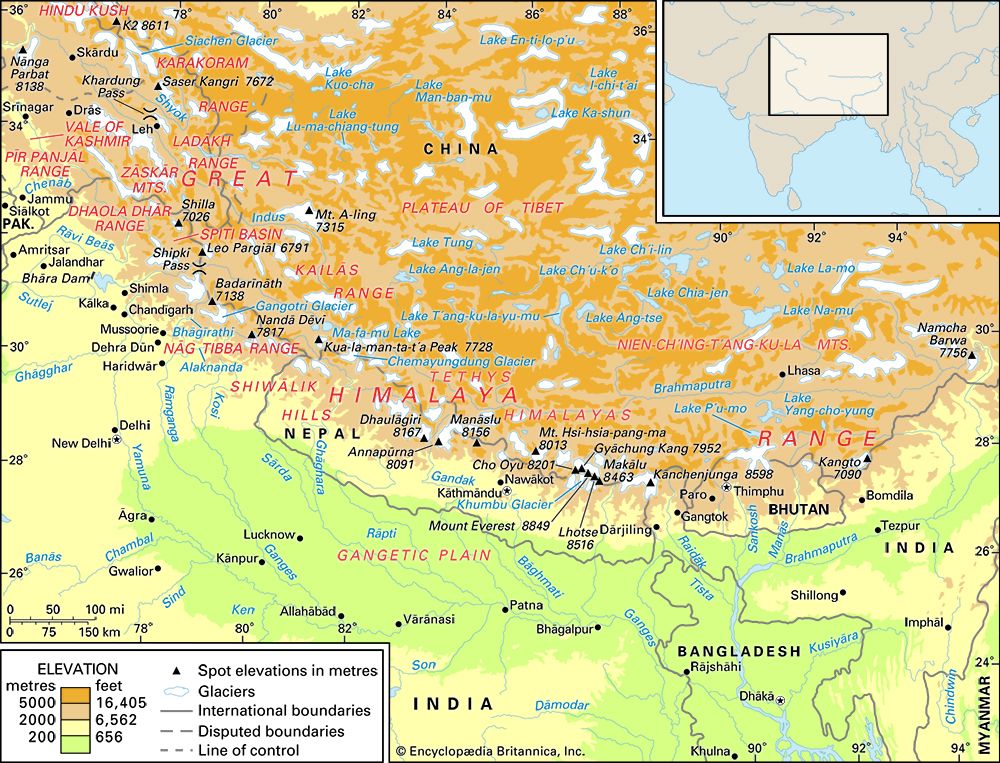
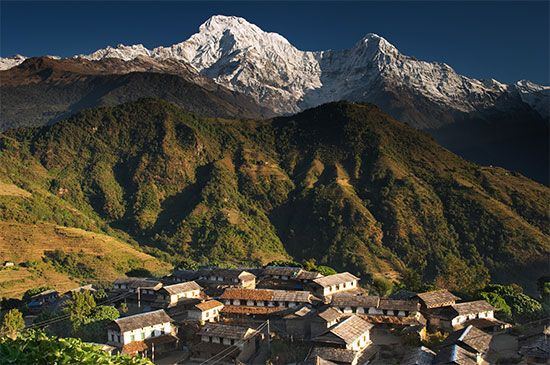
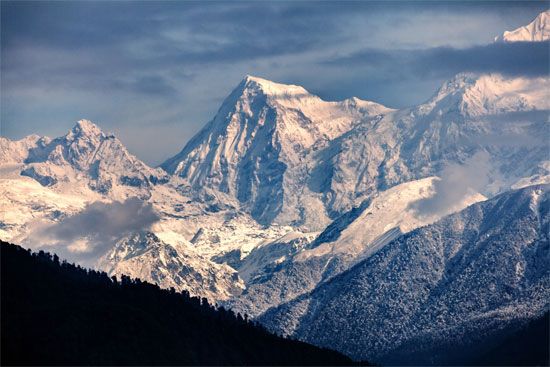
Kangto is a mountain located in the eastern Himalayas. It is situated in the northern part of the Indian state of Arunachal Pradesh, directly on the border…
What is Kangto?
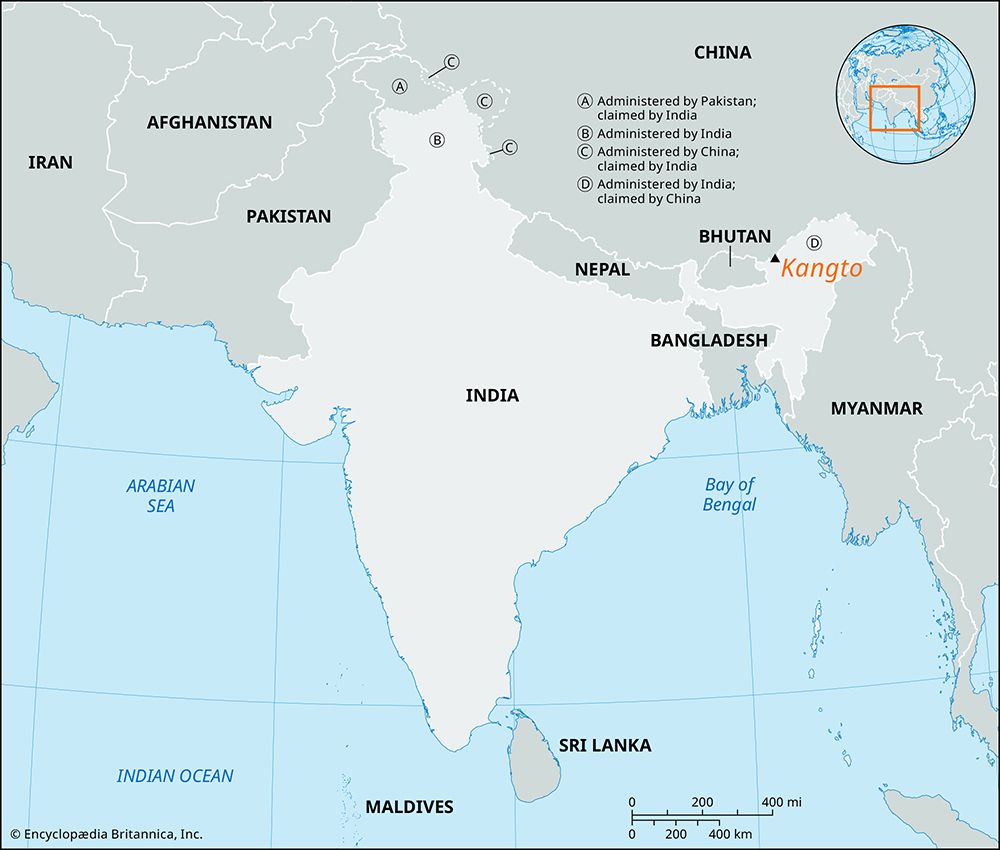
Kangto is a mountain located in the eastern Himalayas. It is situated in the northern part of the Indian state of Arunachal Pradesh, directly on the border with the Tibet Autonomous Region of China. The peak reaches an elevation of approximately 23,260 feet (7,090 metres).1
What are the major mountain ranges in India?
India features several prominent mountain systems that define its diverse geography, ranging from the massive northern ranges to the peninsular plateaus.
Northern Mountain Systems
- Himalayas: The most significant range, acting as a climatic barrier and northern border. The Great Himalayas contain the world’s highest peaks, including Kanchenjunga, which is India’s highest point.23
- Associated Ranges: In the northwest, ranges such as the Karakoram, Ladakh, Zanskar, and Pir Panjal run parallel to the main Himalayan axis.4
- Northeastern Hills: The eastern extremity includes the Patkai Range, Naga Hills, and Mizo Hills, along with the Garo, Khasi, and Jaintia hills.54
Peninsular and Central Ranges
- Western Ghats: A major escarpment along the western edge of the Deccan plateau, serving as the country’s principal watershed2.5
- Eastern Ghats: A series of discontinuous hill masses running along the eastern coast.6
- Vindhya Range: Historically considered the symbolic boundary between northern and southern India.5
- Aravali Range: Located in the west, this system bounds the Thar Desert and represents the northern extent of the Deccan plateau region.5
How do mountain borders affect international relations?
Mountain ranges often serve as significant geopolitical features that influence international relations by acting as both physical barriers and sources of territorial dispute. Because they are often perceived as natural boundaries, they are frequently used to define borders, yet their rugged terrain and historical ambiguity can lead to persistent conflict.
The Himalayas illustrate this complexity, functioning as an almost impassable barrier between the Indian subcontinent and the Plateau of Tibet. While these mountains provide a strategic buffer, they are also the site of long-standing boundary disputes. For instance, the McMahon Line, which follows the crest of the Himalayas, remains a point of contention between India and China. China has historically rejected the validity of this border, viewing it as a legacy of colonial-era agreements, which contributed to the Sino-Indian War of 1962 and ongoing regional tensions.89
These disputes demonstrate that when mountain borders are not mutually recognized, they can become flashpoints for military skirmishes and diplomatic friction, complicating efforts to maintain regional stability.89
What is the climate like in the eastern Himalayas?
The climate of the eastern Himalayas is characterized by its relatively lower latitude, which makes it warmer than the western portion of the range. It is also significantly wetter, as the region receives heavy precipitation from the southwesterly monsoon winds.10
Key climatic features include:
- Precipitation: The eastern Himalayas experience high annual rainfall, with areas like Darjeeling receiving approximately 120 inches (3,050 mm) annually. While the west receives more snow during winter storms, the east experiences its heaviest precipitation during the summer monsoon months, particularly in June.10
- Temperature: Due to its lower latitude, the region is warmer than the western Himalayas. For example, in May, the average minimum temperature in Darjeeling (at 6,380 feet) is about 52 °F (11 °C).10
- Vegetation Zones: The high humidity supports diverse ecosystems, including tropical evergreen rainforests in the foothills and abundant rhododendron growth in the alpine zones.11
Sources
- Kangto — Encyclopædia Britannica
- Ghats — Encyclopædia Britannica
- India - History of India — Encyclopædia Britannica
- Great Himalayas — Encyclopædia Britannica
- climate of India - Factors affecting climate in India — Encyclopædia Britannica
- India - Associated ranges and hills — Encyclopædia Britannica
- India - The Great Himalayas — Encyclopædia Britannica
- Himalayas — Encyclopædia Britannica
- McMahon Line — Encyclopædia Britannica
- Himalayas - Climate of the Himalayas — Encyclopædia Britannica
- Ladakh - The Great Himalayas zone — Encyclopædia Britannica
- Himalayas - Plant life — Encyclopædia Britannica
Published on · 3 min read