Mahseer
The term mahseer refers to several species of edible game fish belonging to the genus Barbus within the carp family, Cyprinidae. These fish are native to the…
What is mahseer?
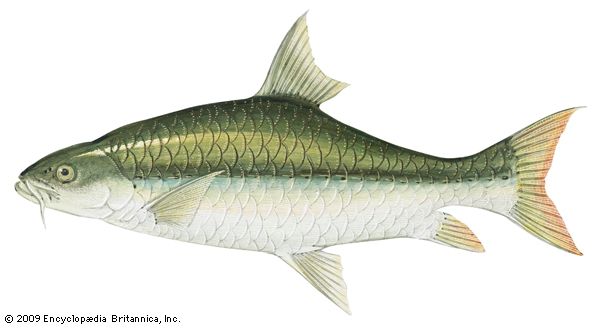
The term mahseer refers to several species of edible game fish belonging to the genus Barbus within the carp family, Cyprinidae. These fish are native to the clear rivers and lakes of India and southeastern Asia.1
Physically, mahseer are characterized by large, thick scales, powerful jaws, and protrusible lips that are well-adapted for bottom-feeding. They are recognized as some of the largest river fish in India, capable of reaching lengths of up to 2 meters (6.5 feet) and weights of approximately 90 kilograms (200 pounds). The name is derived from the Hindi mahāsir, which is believed to originate from the Sanskrit words mahat (big/great) and śiras (head).12
What other fish belong to the carp family?
The carp family, Cyprinidae, is a diverse group of freshwater fish that includes many well-known species beyond the mahseer. These fish are found globally and vary significantly in their roles, ranging from food sources and sport fish to popular aquarium pets.
Key members of the carp family include:
- Common Carp (Cyprinus carpio): Native to Eurasia, this hardy fish is widely cultivated for food but is often considered an invasive nuisance in North American waterways due to its impact on aquatic ecosystems.13
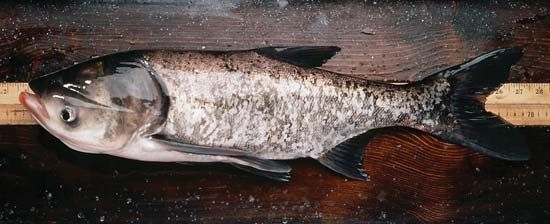
- Asian Carp: This collective term includes several species introduced to control aquatic vegetation and pests, such as the grass carp, bighead carp, black carp, and silver carp.13
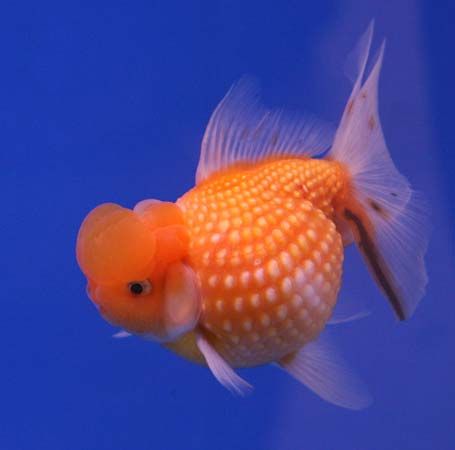
- Goldfish (Carassius auratus): A popular ornamental fish domesticated in China, it is closely related to the common carp but lacks mouth barbels.4
- Crucian Carp (Carassius carassius): A European relative of the goldfish that is also barbel-less.1
- Koi: Ornamental fish thought to descend from the common carp or the domesticated Amur carp (Cyprinus rubrofuscus).1
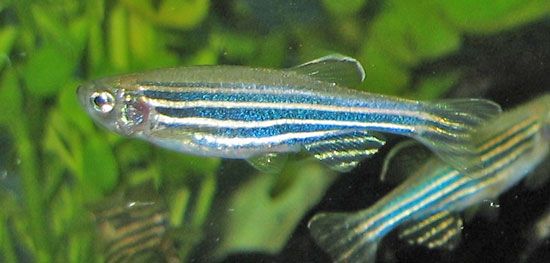
- Aquarium Favorites: Many smaller cyprinids are staples in the aquarium trade, including barbs, rasboras, danios, and the zebra fish.3
Why are mahseer considered important for sport fishing?
Mahseer are highly regarded in sport fishing primarily due to their impressive size and strength. As some of the largest freshwater fish in India and southeastern Asia, they can reach lengths of up to 2 meters (6.5 feet) and weigh as much as 90 kilograms (200 pounds).1
Their reputation as a premier game fish is bolstered by their physical characteristics, which include powerful jaws and a robust build, making them a challenging catch for anglers. Because they are members of the carp family, Cyprinidae, they are also recognized for their endurance and fighting ability when hooked, cementing their status as a prized target in recreational fishing circles.12
What environmental threats do mahseer face in their river habitats?
Mahseer inhabit clear rivers and lakes in India and southeastern Asia, environments that are increasingly vulnerable to human-induced degradation. While specific data on mahseer population declines is not detailed in the provided text, they face significant risks from broader water pollution trends that threaten aquatic wildlife.18
Key environmental threats include:
- Eutrophication: The discharge of sewage and agricultural fertilizers into river systems promotes excessive algae growth. This process depletes dissolved oxygen, creating “dead zones” where fish cannot survive.8
- Contamination: The presence of microplastics in aquatic environments poses a long-term health risk to fish through ingestion and potential biomagnification within the food web.8
- Industrial and Chemical Spills: Similar to large-scale marine disasters, localized oil or chemical spills in riverine habitats can have devastating, immediate effects on fish populations by poisoning the water and destroying critical habitats.8
Sources
- mahseer — Encyclopædia Britannica
- mahseer — Merriam-Webster
- Cyprinodontidae — Merriam-Webster
- carp — Encyclopædia Britannica
- atheriniform - Natural history — Encyclopædia Britannica
- ostariophysan - Importance — Encyclopædia Britannica
- goldfish — Encyclopædia Britannica
- water pollution: Top Questions — Encyclopædia Britannica
Published on · 3 min read