North American Desert
The North American Desert is a vast, diverse biome defined by its internal variety, ranging from cold mid-latitude regions to hot subtropical and tropical…
How do the climatic conditions in North American deserts differ from other deserts around the world?
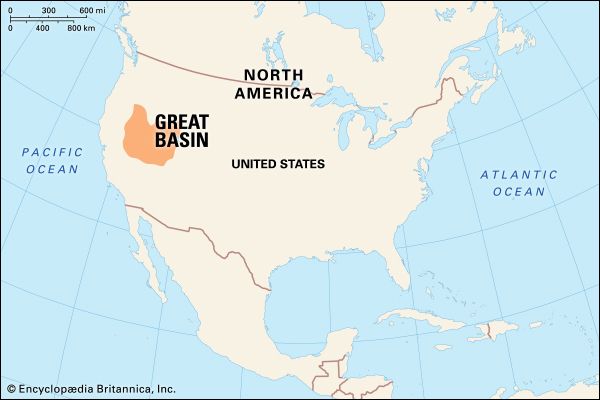
The North American Desert is a vast, diverse biome defined by its internal variety, ranging from cold mid-latitude regions to hot subtropical and tropical zones. While it shares fundamental characteristics with other global deserts—such as moisture deficits, intense solar radiation, and high potential evaporation—its specific climatic profile is heavily influenced by its unique topography.1234
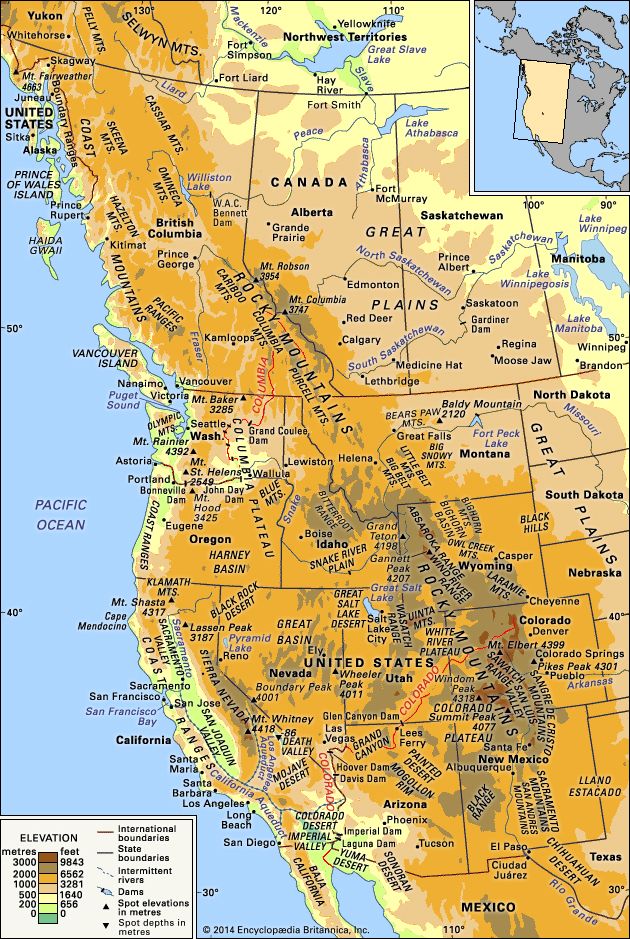
Unlike many global deserts that are primarily shaped by subtropical high-pressure belts, the North American Desert is significantly impacted by the rain shadow effect created by the Rocky Mountains and the Sierra Nevada. This intermontane positioning blocks moisture-bearing winds, contributing to its aridity.354
Key differences include:
- Temperature Range: The region experiences extreme temperature regimes, from temperate conditions in the Great Basin Desert to tropical heat in the Sonoran Desert.2
- Precipitation: While erratic, the northern sections receive significant snowfall (12–24 inches), a feature less common in many low-latitude global deserts.2
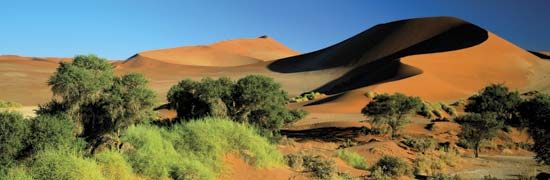
- Coastal Influence: Parts of the Sonoran Desert are classified as “West Coast Deserts,” where cold ocean currents lead to frequent fog, similar to the Atacama or Namib deserts.64
What geological processes contributed to the formation of North American deserts?
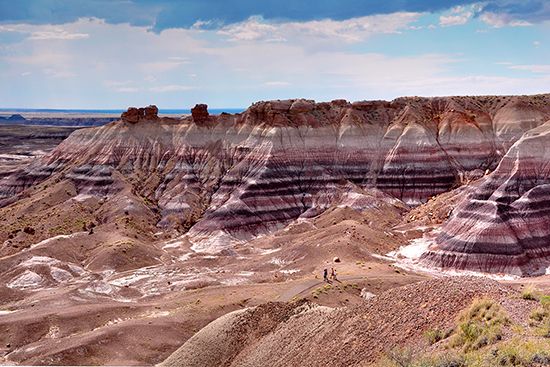
The formation of North American deserts is the result of complex geological processes spanning millions of years, primarily involving tectonic activity, mountain building, and subsequent erosion.
Tectonic Activity and Mountain Building
The landscape was significantly shaped by the Laramide orogeny, which occurred from the Late Cretaceous through the Eocene. This period produced upfolded and upthrusted mountains, such as the Rocky Mountains, and created deep intermontane basins that accumulated vast amounts of sediment. Later, during the Cenozoic, crustal extension caused the Basin and Range Province to break into a series of north-south-trending fault-block mountains and downdropped basins.8
Erosion and Surface Development
The characteristic desert landforms—including plateaus, gorges, and alluvial fans—were molded by long periods of erosion. Key factors in this process include:
- Environmental Forces: The action of wind, temperature fluctuations, and ephemeral streams and floods have continuously sculpted the terrain.9
- Sedimentation: Many desert areas are covered by recent Quaternary deposits (less than 2.6 million years old), while others consist of older plains and plateaus.9
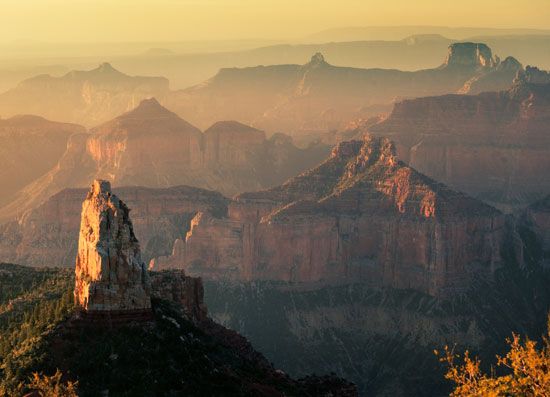
- Basin Filling: Intermontane basins were gradually filled with sediments and volcanic ash before being exhumed by renewed uplift during the Pliocene-Pleistocene boundary, which also contributed to the formation of features like the Grand Canyon.8
How have North American deserts been portrayed in literature and popular culture?
In literature and popular culture, North American deserts have long been portrayed as a “fierce and dangerous land” that grips the national imagination. This perception was significantly shaped in the 1820s by the reportage of explorer Stephen H. Long, who popularized the legend of a “Great American Desert,” a myth that persisted throughout the 19th century as an inhospitable, inaccessible frontier.51314
This arid landscape serves as a foundational setting for the Western, a genre that explores themes of survival, lawlessness, and moral conflict. Because the region lacked the established social conventions of the East, it became a prime framework for stories featuring cowboys, outlaws, and frontier adventurers. These narratives often emphasize the struggle for order in a “primeval” environment where conflicts were frequently resolved through violence and physical courage.1516
Beyond adventure fiction, the desert’s harsh reality has been captured in works like John Steinbeck’s The Grapes of Wrath, which depicts the devastating human impact of drought and the environmental instability of the region.5
What unique plant and animal adaptations can be found in North American desert ecosystems?
North American desert ecosystems are defined by extreme aridity, forcing both flora and fauna to develop specialized strategies for survival.
Plant Adaptations
Desert plants, or xerophytes, have evolved diverse mechanisms to manage limited moisture:
- Water Storage: Succulents, such as cacti (e.g., saguaro and barrel cacti), store water in their stems to survive long dry spells.1718
- Root Systems: Phreatophytes utilize deep root systems to tap into permanent groundwater, while others use extensive shallow roots to capture infrequent rainfall.1718
- Dormancy and Ephemerals: Many plants survive as dormant seeds, germinating and completing their life cycles rapidly after rain. Others, like resurrection plants, become physiologically inactive during droughts and revive when moisture returns.18
- Transpiration Control: Plants often feature reduced leaf surface areas, hairy or reflective leaves, or the ability to shed leaves entirely to minimize water loss.1918
Animal Adaptations
Desert animals primarily focus on water conservation and thermoregulation:
- Behavioral Strategies: Many mammals, such as rodents and bats, are nocturnal, remaining in cool, humid underground burrows during the heat of the day.2018
- Physiological Efficiency: Reptiles are highly successful in deserts due to their low metabolic rates and ability to excrete nitrogenous waste as uric acid, which requires minimal water.2122
- Moisture Sourcing: Many animals derive necessary hydration directly from their food—such as insects, spiders, or plant fluids—rather than relying on standing water.2022
Sources
- North American Desert - Physiography — Encyclopædia Britannica
- North American Desert - Climate — Encyclopædia Britannica
- North American Desert - Soils — Encyclopædia Britannica
- Tropical and subtropical desert climate — Encyclopædia Britannica
- North American Desert — Encyclopædia Britannica
- Desert - Environment — Encyclopædia Britannica
- North America - Dry climates — Encyclopædia Britannica
- North American Desert - Geology — Encyclopædia Britannica
- Tertiary Period - Volcanism and orogenesis — Encyclopædia Britannica
- Mojave Desert — Encyclopædia Britannica
- Sonoran Desert — Encyclopædia Britannica
- Sierra Nevada — Encyclopædia Britannica
- Western - Settings and themes — Encyclopædia Britannica
- the West — Encyclopædia Britannica
- North American Desert - Study and exploration — Encyclopædia Britannica
- United States - The Dry West — Encyclopædia Britannica
- North American Desert - Plant life — Encyclopædia Britannica
- Desert - Flora — Encyclopædia Britannica
- North American Desert - Animal life — Encyclopædia Britannica
- Why are reptiles cold-blooded? — Encyclopædia Britannica
- Biosphere - Humidity — Encyclopædia Britannica
- lizard - Water loss and other variables — Encyclopædia Britannica
- Desert - Population and community development and structure — Encyclopædia Britannica
- Do Camels Store Water in Their Humps? — Encyclopædia Britannica
- Dormancy - Causes of dormancy — Encyclopædia Britannica
Published on · 4 min read