Namib
The Namib Desert supports a variety of life forms that have adapted to its arid, fog-dependent environment. Because moisture is scarce, many endemic species…
What types of plants and animals have adapted to survive in the harsh conditions of the Namib Desert?
The Namib Desert supports a variety of life forms that have adapted to its arid, fog-dependent environment. Because moisture is scarce, many endemic species rely on coastal fog as their primary water source.12
Plant Life
Vegetation in the Namib is categorized into six regions, ranging from barren areas to those supporting rich flora. Notable adaptations include:3
- Succulents: Found in coastal and southern winter rainfall regions, these plants utilize fog moisture.3
- Welwitschia (Welwitschia mirabilis): A unique, long-lived gymnosperm with a deep taproot that accesses deep water sources. Its two permanent leaves grow continuously, and it is thought to absorb fog moisture.34
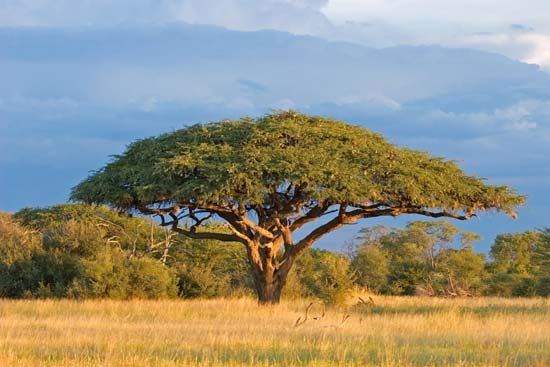
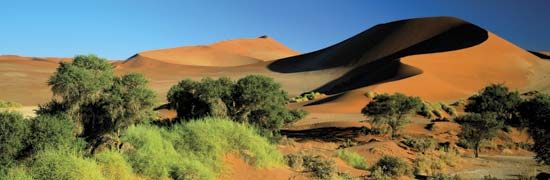
- Grasses and Trees: The Inner Namib dunes support tall grasses and bushes, while large acacia trees thrive along ephemeral river channels.3
Animal Life
The desert hosts diverse fauna, including:
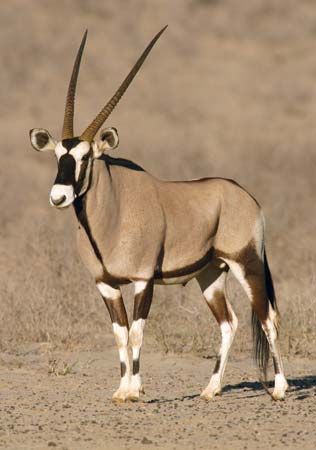
- Large Mammals: Gemsboks, springboks, ostriches, and zebras inhabit the plains and dunes.5
- Predators: Lions, hyenas, and jackals are found near northern river systems.5
- Invertebrates and Reptiles: The dunes are home to various beetles, geckos, and snakes4.
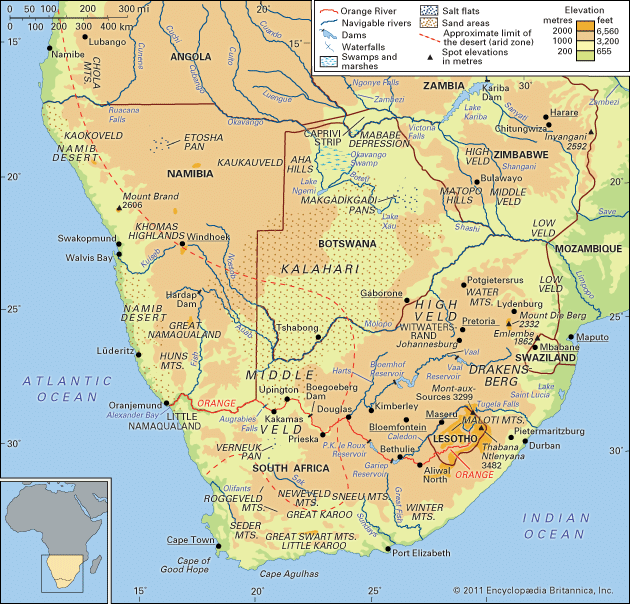
Where is the Namib Desert located, and what countries does it cover?
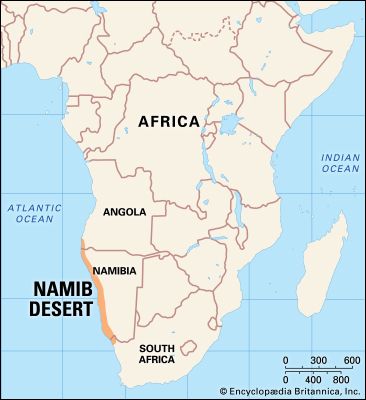
The Namib is a cool coastal desert that stretches approximately 1,200 miles (1,900 km) along the Atlantic coast of Africa. It extends inland between 80 and 100 miles (130 to 160 km) until it reaches the foot of the Great Escarpment.5
The desert spans three countries:
- Angola: It begins in the north at Namibe.5
- Namibia: It covers the central portion of the desert.5
- South Africa: It extends southward to the Olifants River in the Western Cape province.5
In the south, the desert merges with the Kalahari on the plateau located atop the escarpment.5
What is the climate like in the Namib Desert, and how does it vary from coastal to inland areas?
The climate of the Namib Desert is defined by extreme aridity and a significant contrast between its coastal and inland regions, largely influenced by the cold Benguela Current.76
Coastal Climate
The coastal strip is characterized by a cool, stable climate due to the influence of the ocean. Temperatures remain moderate, typically between 50 and 60 °F (10 and 16 °C), with little variation between day and night or across seasons. While the area is almost entirely rainless, the cold current chills the air to create frequent fog, which provides essential moisture for local vegetation. A persistent temperature inversion often traps this fog beneath a layer of hot, dry air.68
Inland Climate
As you move inland, the moderating influence of the sea diminishes, leading to more extreme conditions:
- Temperature: Inland temperatures are much higher, with summer highs often reaching the upper 80s °F (low 30s °C). In sheltered areas like canyons, temperatures can exceed 100 °F (38 °C).6
- Precipitation: Rainfall increases slightly from the coast toward the Great Escarpment, though it remains very low, averaging about 2 inches (51 mm) annually.6
- Wind: Occasionally, hot, dry “berg” (mountain) winds blow from the east, bringing dust and high temperatures across the desert to the coast.6
What are some of the most famous landmarks or tourist attractions in the Namib Desert?
The Namib Desert is home to several iconic natural landmarks and protected areas that draw visitors from around the world. Some of the most notable include:
- Sossusvlei: Located within the Namib-Naukluft National Park, this famous salt and clay pan is surrounded by some of the world’s tallest orange-red sand dunes, which can reach heights of up to 1,065 feet (325 meters). It is a UNESCO World Heritage site renowned for its stunning landscape.312
- Skeleton Coast National Park: Situated in the northern Namib, this park is known for its fragile desert environment. Access is restricted to help preserve the area’s unique ecosystem.1312
- Cape Cross Seal Reserve: Located within the National West Coast Tourist Area, this reserve protects a major breeding ground for seals.13
- Coastal Towns:
Sources
- Namib - Plant life — Encyclopædia Britannica
- Welwitschia — Encyclopædia Britannica
- Sossusvlei — Encyclopædia Britannica
- Namib - Animal life — Encyclopædia Britannica
- Namib — Encyclopædia Britannica
- Desert - Environment — Encyclopædia Britannica
- Namibia - Climate of Namibia — Encyclopædia Britannica
- Benguela Current — Encyclopædia Britannica
- Namib - Physical features — Encyclopædia Britannica
- Tropical and subtropical desert climate — Encyclopædia Britannica
- Namib - Climate — Encyclopædia Britannica
- Sossusvlei: Top Questions — Encyclopædia Britannica
- Namib - People and economy — Encyclopædia Britannica
- Namibia - Plant and animal life — Encyclopædia Britannica
Published on · 4 min read