Ptarmigan
Ptarmigans are primarily vegetarian birds that have adapted to survive in harsh, cold environments by adjusting their diet according to the season.
What is the diet of ptarmigans and how does it change seasonally?
Ptarmigans are primarily vegetarian birds that have adapted to survive in harsh, cold environments by adjusting their diet according to the season.123
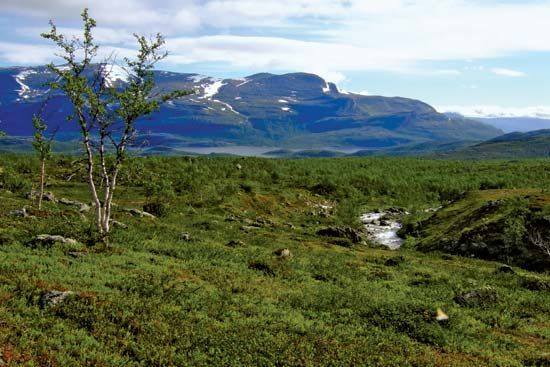
During the winter, when food is scarce and much of the landscape is covered in snow, ptarmigans survive by browsing on available plant parts. Their winter diet consists of willow buds, berries, leaves, and other exposed vegetation. To access these food sources, they often scratch through the snow or forage in areas where the ground is exposed.341
In the summer, their diet expands as the tundra vegetation becomes accessible. During this period, they feed on a variety of leaves, buds, and flowers. While they are primarily herbivorous, like many other galliforms, they may also consume insects and other invertebrates when available.32
To endure the winter, these birds are uniquely equipped with heavily feathered feet for insulation and often burrow into the snow to sleep and shelter from the elements.134
How do ptarmigans adapt to their harsh Arctic and subarctic environments?
Ptarmigans are remarkably well-adapted to the extreme conditions of the Arctic and high-mountain environments, employing both physiological and behavioral strategies to survive year-round.
Physical and Behavioral Adaptations
- Insulation: Unlike many other tundra birds that migrate, ptarmigans are year-round residents. They possess unique, heavily feathered feet—covered in stiff feathers both above and below—which provide essential insulation against snow and ice.15
- Shelter: To escape the harshest elements, ptarmigans burrow into the snow to sleep, utilizing the snowpack as a thermal refuge.1
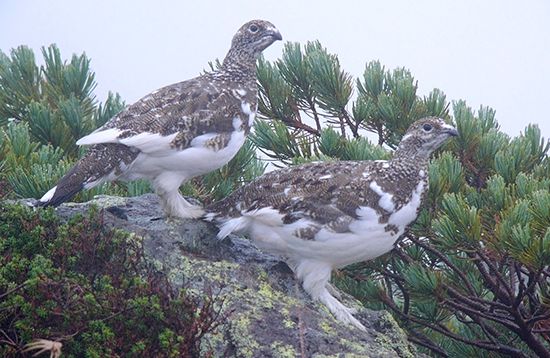
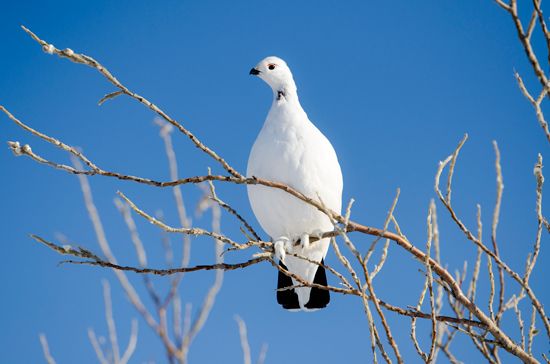
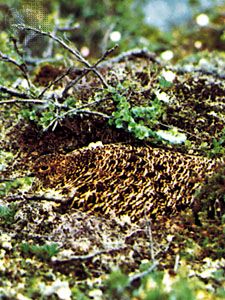
- Seasonal Camouflage: Ptarmigans undergo seasonal molts to maintain effective camouflage. Their plumage shifts from white during the winter to blend with snowfields, to gray or brown with barring in the spring and summer to match the tundra vegetation. These changes are often regulated by decreasing day lengths.13
Dietary Adaptations
Ptarmigans adjust their foraging habits to match the seasonal availability of food:
- Winter: They survive by browsing on shrubs and scratching through the snow to reach lichens, leaves, and willow buds.15
- Summer: Their diet expands to include a wider variety of leaves, buds, and flowers as the tundra landscape becomes accessible.5
What are the different species of ptarmigans and where are they found?
There are three primary species of ptarmigan, all belonging to the genus Lagopus within the grouse family. These birds are uniquely adapted to cold, high-latitude, or high-altitude environments, characterized by their feathered toes and seasonal plumage changes.1
The three recognized species and their general distributions include:
- Rock Ptarmigan (L. mutus): Also known as the common ptarmigan, this species has a wide range that includes the British Isles, various parts of Europe, and North America1.
- Willow Ptarmigan (L. lagopus): Often referred to as the willow grouse, this species is distributed circumpolarly and is typically found in more northerly lowland habitats.16
- White-tailed Ptarmigan (L. leucurus): This species is found in the Rocky Mountain tundra, with its range extending south as far as New Mexico.1
These birds are among the few galliforms capable of living within the Arctic Circle, where they survive by browsing on shrubs and utilizing snow for shelter.17
How do ptarmigans’ feathers change color throughout the year, and why?
Ptarmigans undergo seasonal molts to replace their plumage, allowing them to maintain effective camouflage against their changing environment. Throughout the year, their appearance shifts from white during the winter to blend with snowfields, to gray or brown with barring in the spring and summer to match the tundra vegetation. During the transitional periods of spring and fall, they exhibit a mottled appearance that helps them blend into patchy snow cover.518
These color changes are primarily regulated by photoperiodism, specifically the decreasing duration of daylight, which acts as a biological cue to initiate the whitening process.59
Beyond camouflage, the shift to white winter plumage may provide additional survival benefits. Because melanin is absent from white feathers, the resulting air spaces within the hair shaft may enhance the bird’s insulation. Furthermore, these winter feathers contain air bubbles that scatter light, making the birds appear more brightly white than other species.8
Sources
- Ptarmigan — Encyclopædia Britannica
- Galliform - Habitat selection and food habits — Encyclopædia Britannica
- Tundra - Birds — Encyclopædia Britannica
- Asia - The tundra — Encyclopædia Britannica
- coloration - Seasonal changes — Encyclopædia Britannica
- willow ptarmigan — Merriam-Webster
- Galliform - Distribution — Encyclopædia Britannica
- 7 Animals That Turn White in Winter — Encyclopædia Britannica
- Photoperiodism — Encyclopædia Britannica
- Endocrine system - Molting — Encyclopædia Britannica
Published on · 3 min read