Qattara Depression
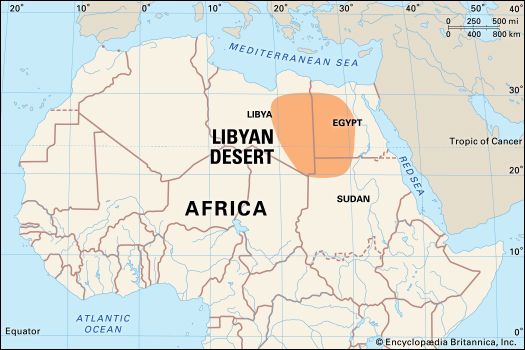
The Qattara Depression is an arid basin located in the Libyan Desert of northwestern Egypt. Covering approximately 7,000 square miles (18,100 square km)…
What is Qattara Depression?
The Qattara Depression is an arid basin located in the Libyan Desert of northwestern Egypt. Covering approximately 7,000 square miles (18,100 square km), this low-lying region features salt lakes and marshes. Its lowest point reaches between 435 and 440 feet (133–134 meters) below sea level.12
During World War II, the depression served as a critical strategic feature; because the terrain was impassable to military vehicles, it acted as a natural anchor for British defense lines at El-Alamein against the forces of Erwin Rommel in 1942](https://www.britannica.com/biography/Erwin-Rommel) in 1942. In more recent history, the area has gained economic significance following the discovery of oil deposits in its southern reaches during the late 1970s.1
How did the Qattara Depression influence the Battle of El-Alamein?
The Qattara Depression played a decisive role in the Battle of El-Alamein by serving as a natural, impassable barrier for military traffic.1
During the North African campaign in 1942, the British 8th Army established a defensive line that stretched from the coast at El-Alamein southward to the edge of the depression. Because the terrain within the depression was impassable to tanks and other heavy vehicles, it effectively “anchored” the southern end of the British line. This prevented Field Marshal Erwin Rommel from using his typical mobile warfare tactics to outflank the British position from the south, forcing his forces to confront the prepared defenses directly. By closing this gap, the depression forced the Axis powers into a static battle of attrition, which ultimately halted their advance toward Alexandria and Cairo.13
What kind of wildlife can survive in such an arid environment?
Despite the extreme aridity of the Qattara Depression and the surrounding Libyan Desert, various species have evolved specialized adaptations to survive in these harsh conditions.
Survival Strategies
Many organisms rely on specific behaviors to endure environmental stress:
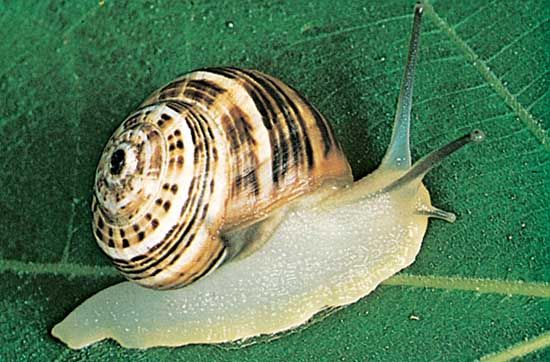
- Aestivation: Desert snails can remain dormant for several years, reviving only when rainfall occurs.45
- Ephemeral Life Cycles: Many herbaceous plants are ephemerals, completing their entire life cycle—from germination to seed dispersal—within a few weeks following heavy rain.5
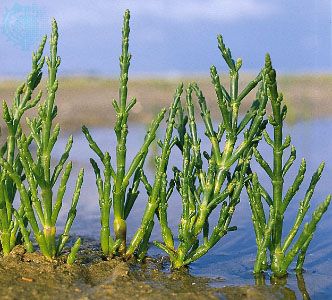
- Salinity Tolerance: In the depression’s salt marshes, halophytic plants like glassworts thrive by accumulating salts in their stems and leaves.6
Wildlife Diversity
The broader region supports a variety of resilient fauna:
- Mammals: Common inhabitants include the dorcas gazelle, fennec fox, jerboa, and the aoudad, a type of bearded sheep.47
- Reptiles and Insects: Lizards, skinks, scorpions, and various vipers are well-adapted to the rocky and sandy terrain.47
- Birds: The region hosts numerous resident and migratory birds, including raptors and desert eagle owls.47
Are there other major depressions found in the Sahara Desert?
The Sahara Desert features a variety of topographical basins and depressions that are integral to its landscape. While the Qattara Depression in Egypt is the lowest point in the desert at 436 feet (133 meters) below sea level, it is part of a broader series of basins that extend across the region.19
In the northern Sahara, these formations include:
- Chotts and Dayas: These are shallow, seasonally inundated basins found throughout the desert.9
- Algerian Depressions: The Algerian Sahara is characterized by two major depressions separated by the Mzab rise. These areas contain the Great Eastern Erg and the Great Western Erg, which decline in elevation northward, reaching below sea level in areas south of the Aurès Mountains.10
- Oasis Depressions: Across western Egypt and into other parts of the northern Sahara, there are numerous large oasis depressions that serve as vital hubs for life.9
These basins are often characterized by saline soils and, in some cases, deposits of diatomaceous earth10.
Sources
- Qattara Depression — Encyclopædia Britannica
- Qattara Depression — Merriam-Webster
- World War II - Libya and Egypt , autumn 1941–summer 1942 — Encyclopædia Britannica
- Sahara - Animal life — Encyclopædia Britannica
- Sahara: Top Questions — Encyclopædia Britannica
- Salt marsh — Encyclopædia Britannica
- Egypt - Plant and animal life — Encyclopædia Britannica
- Libyan Desert — Encyclopædia Britannica
- Sahara - Physiography — Encyclopædia Britannica
- Sahara - Soils — Encyclopædia Britannica
- Algeria - The Sahara — Encyclopædia Britannica
Published on · 3 min read