Schizaeaceae
The Schizaeaceae is a family of ferns primarily found in tropical and subtropical regions, with a fossil record dating back to the Cretaceous Period. The…
What are the defining characteristics of the Schizaeaceae fern family?
The Schizaeaceae is a family of ferns primarily found in tropical and subtropical regions, with a fossil record dating back to the Cretaceous Period. The family currently comprises two genera: Schizaea (curly grass or comb ferns) and Actinostachys (ray ferns).1
Key characteristics include:
- Sporangia: The family is considered relatively primitive due to its large, individually produced sporangia. These spore-bearing structures feature an apical ring of thickened cells known as an annulus and lack a protective covering membrane.1
- Growth Habit: These ferns typically possess highly branched rhizomes that either creep or form clumps.1
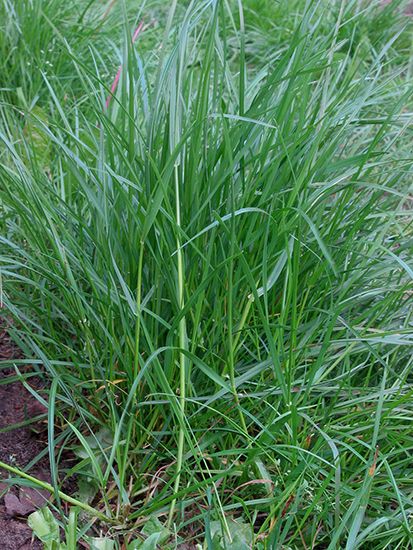
- Fronds: The leaves vary in form; Schizaea species are known for their grasslike, filiform, or linear fronds, while Actinostachys species have blades reduced to narrow strips. Fertile fronds bear the sporangia on distinct lobes, spikes, or panicles.123
While some classifications historically included the genera Lygodium and Anemia in this family, they are now more commonly placed in their own distinct families.1
How many genera are included in the Schizaeaceae family, and what are their names?
The Schizaeaceae family consists of two genera: Schizaea and Actinostachys.1
- Schizaea: Commonly known as curly grass ferns or comb ferns, this genus includes approximately 30 species characterized by grasslike leaves and sporangia borne on the lobes of distinct fertile fronds.1
- Actinostachys: Known as ray ferns, this genus comprises about 16 species with leaf blades that are reduced to narrow strips along the midrib.1
While some botanical classifications have historically included the genera Lygodium and Anemia within the Schizaeaceae family, they are now more frequently categorized into their own distinct families, Lygodiaceae and Anemiaceae, respectively.1
What is the evolutionary history of the Schizaeaceae family?
The evolutionary history of the Schizaeaceae family is characterized by its status as a relatively primitive group of ferns with a deep fossil record.1
While some paleobotanical studies have historically associated the family with lineages dating back to the Carboniferous Period, the family was definitively established by the Triassic Period. Significant fossil evidence for the group becomes more prominent during the Late Cretaceous Period, a time when many modern fern families underwent major diversification alongside angiosperms.21
The family is considered primitive due to its specialized sporangia, which feature an apical annulus (a ring of thickened cells) and lack a protective membrane. Although the family is part of the broader monophyletic assemblage of modern ferns, it retains distinct, ancient structural traits that differentiate it from more recently evolved groups. Today, the family is represented by two genera, Schizaea and Actinostachys, which are primarily distributed in tropical and subtropical environments.12
What are some notable species within the Schizaeaceae family?
The Schizaeaceae family is a small group of ferns comprising approximately 46 species divided between two primary genera: Schizaea and Actinostachys. While the family as a whole is defined by its primitive structural traits, such as large, apical sporangia, individual species are often categorized by their unique growth habits.12
Notable Genera and Characteristics
- Schizaea: Often referred to as curly grass ferns or comb ferns, this genus contains about 30 species. They are distinguished by their grasslike leaves and the fact that their sporangia are produced exclusively on the lobes of specialized fertile fronds.14
- Actinostachys: This genus includes approximately 16 species commonly known as ray ferns. These plants are morphologically distinct due to their leaf blades, which are reduced to narrow strips along the midrib.1
It is important to note that while some historical classifications included the genera Lygodium and Anemia within this family, modern botanical consensus typically places them in their own separate families, Lygodiaceae and Anemiaceae, respectively.1
Sources
- Schizaeaceae — Encyclopædia Britannica
- Schizaeaceae — Merriam-Webster
- cycadophyte - Sporophylls and strobili — Encyclopædia Britannica
- Schizaea — Merriam-Webster
- Fern - Fossil record — Encyclopædia Britannica
Published on · 3 min read