Snake Gourd
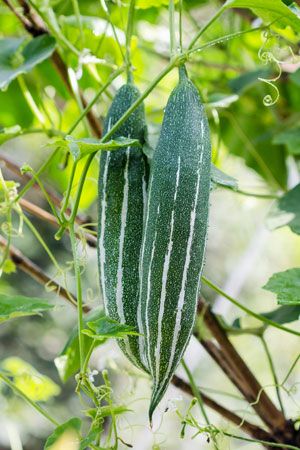
The snake gourd (Trichosanthes cucumerina) is a fast-growing vine belonging to the gourd family. Native to Australia and southeastern Asia, it is cultivated…
What is snake gourd?
The snake gourd (Trichosanthes cucumerina) is a fast-growing vine belonging to the gourd family. Native to Australia and southeastern Asia, it is cultivated for its long, slender fruits, which can reach up to 1.5 meters (5 feet) in length.1
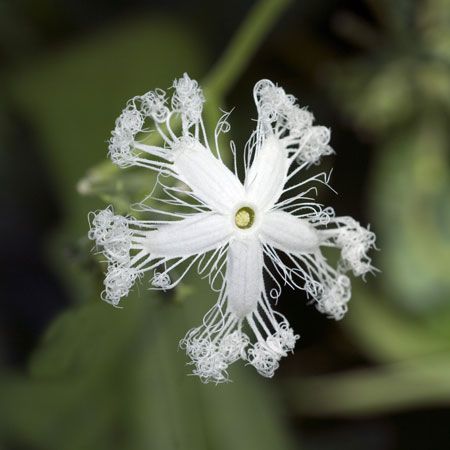
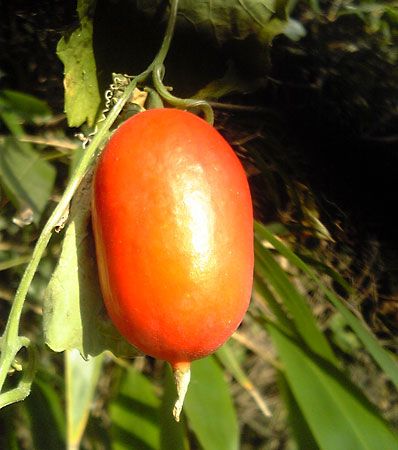
While young fruits are commonly consumed as a vegetable, the plant is versatile: its leaves and shoots are edible, and the pulp of mature, red-orange fruits can serve as a tomato substitute. Additionally, the dried fruit has historically been used to produce soap dried fruit has historically been used to produce soap. The plant is characterized by its night-blooming white flowers, which feature distinctive lacy fringes on their petals.1
It is important to note that the term “snake gourd” is sometimes used colloquially to refer to other plants, such as the Armenian cucumber or the bottle gourd, though T. cucumerina is the primary species associated with the name.2
What other plants belong to the gourd family?
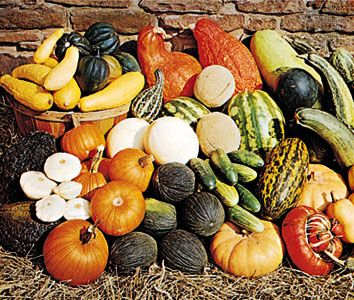
The Cucurbitaceae family, commonly known as the gourd family, comprises approximately 975 species of flowering plants, including many important food and ornamental crops. These plants are typically fast-growing, herbaceous vines that feature characteristic tendrils for climbing.34
Common members of the gourd family include:
- Squash and Pumpkins: Various species within the genus Cucurbita, such as zucchini, butternut squash, and giant pumpkins.45
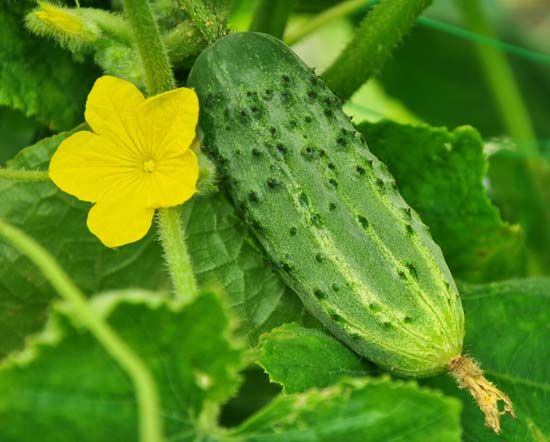
- Cucumbers and Melons: Members of the genus Cucumis, including the common cucumber, gherkin, and various melons like muskmelon and cantaloupe.46
- Other Notable Gourds:
These plants generally produce a fleshy, many-seeded fruit known as a pepo. While many are cultivated for their edible fruits, some varieties are grown primarily for decorative purposes.345
How do night-blooming flowers attract pollinators?
Night-blooming flowers have evolved specific characteristics to attract nocturnal pollinators, primarily moths, by relying on sensory cues that are effective in low-light conditions.7
Key adaptations include:
- Visual Cues: To remain visible in the dark, these flowers are typically white or light-colored, which helps them stand out against the night landscape.7
- Fragrance: They are often highly fragrant, emitting strong scents that guide pollinators to the flower when visual cues are less effective.7
- Floral Structure: Many night-blooming species have long, narrow floral shapes that accommodate the specialized mouthparts of moths, such as the proboscis. These flowers often lack the landing platforms found on butterfly-pollinated flowers, as many moth pollinators, like hawk moths, hover while feeding.7
- Resource Provision: These plants produce nectar to reward their pollinators, ensuring repeat visits that facilitate pollination, ensuring repeat visits that facilitate pollination.7
Some species, such as the yucca, have developed intimate mutualistic relationships with specific pollinators, where the timing of the flower opening perfectly aligns with the emergence of the moth.78
What are some common culinary uses for gourds in Asian cuisine?
Gourds are a staple in many Asian cuisines, where they are valued for their versatility in soups, curries, and stir-fries. Because many varieties are harvested while immature, they are often treated as vegetables and prepared using techniques that balance their unique textures and flavors.11121314
Common culinary uses include:
- Bitter Melon (Momordica charantia): Known for its intense bitterness, this gourd is a mainstay in Chinese, Indian, and Southeast Asian cooking. Cooks often attenuate its flavor by pre-salting, parboiling, or pairing it with strong ingredients like black-bean sauce, beef, or tamarind. It is also frequently used in curries or pickled.1215
- Wax Gourd (Benincasa hispida): This gourd is commonly used in soups, curries, and stir-fries. Its mild flavor and ability to be stored for long periods make it a practical ingredient in many traditional dishes.11
- Loofah (Luffa species): Often called “Chinese okra” or “ridged gourd,” loofah is typically eaten when young and immature. Its mild, zucchini-like flavor and slightly spongy texture make it suitable for stir-frying, cooking, or pickling.1314
- Bottle Gourd (Lagenaria siceraria): While often associated with its use as a container, the young fruits of the bottle gourd are edible and are commonly cooked as a vegetable.16
- Chayote (Sechium edule): This gourd is frequently boiled, baked, or sautéed, with a taste similar to cucumber or zucchini.17
Sources
- snake gourd — Encyclopædia Britannica
- snake gourd — Merriam-Webster
- Cucurbitaceae — Encyclopædia Britannica
- list of plants in the family Cucurbitaceae — Encyclopædia Britannica
- Squash — Encyclopædia Britannica
- melon — Encyclopædia Britannica
- Major types of pollinators - Butterflies and moths — Encyclopædia Britannica
- Pollination - Beetles and flies — Encyclopædia Britannica
- Botanical Sex: 9 Alluring Adaptations — Encyclopædia Britannica
- coloration - Interspecific signals — Encyclopædia Britannica
- gourd — Encyclopædia Britannica
- bitter melon — Encyclopædia Britannica
- wax gourd — Merriam-Webster
- Wax gourd — Encyclopædia Britannica
- bitter melon — Merriam-Webster
- Bottle gourd — Encyclopædia Britannica
- chayote — Encyclopædia Britannica
- loofah — Encyclopædia Britannica
- angled loofah — Merriam-Webster
Published on · 3 min read