Snook
The term "snook" refers to two distinct concepts:
What is snook?
The term “snook” refers to two distinct concepts:
Biological Classification
A snook is any of approximately eight species of marine fish belonging to the genus Centropomus and the family Centropomidae. These pikelike fishes are characterized by their silvery appearance, long heads, and projecting lower jaws. They typically inhabit tropical coastal waters, estuaries, and mangrove areas along the American Atlantic and Pacific coasts, sometimes venturing into fresh water. Ranging from 0.5 to 1.5 meters in length, they are highly regarded as both a food source and a game fish.12
Cultural Gesture
In a different context, a “snook” refers to a gesture of derision made by thumbing one’s nose. This usage is often associated with the phrase “cock a snook,” which serves as an expression of defiance or contempt.3
What makes snook a popular game fish?
The snook is highly regarded as a game fish primarily due to its reputation as a large, vigorous, and challenging catch. Anglers prize the fish for its strength and the spirited fight it provides when hooked in coastal and brackish waters.1
Beyond its fighting ability, the snook is valued for its size, with species ranging from 0.5 to 1.5 meters (1.5 to 5 feet) in length. Its presence in diverse environments—including estuaries, mangrove areas, and sometimes fresh water—adds to the excitement of the pursuit, as it requires skill to locate and land these pikelike predators. Additionally, the snook is considered an excellent food fish, further increasing its popularity among recreational fishers.31
How do mangroves support the snook’s habitat?
Mangroves are essential to the snook’s habitat because their complex, tangled root systems serve as a vital nursery for coastal fish. These protective roots provide a safe environment for juvenile fish to grow, acting as a hatchery that supports the survival of various species, including the snook.
Beyond providing shelter, mangroves contribute to the health of the snook’s environment by trapping sediments, which reduces erosion and improves overall water quality. By acting as a buffer between marine and terrestrial zones, these salt-tolerant trees maintain the stability and ecological balance of the estuaries and coastal areas where snook thrive. Without these protected sites, local fish populations would face significant threats to their development and long-term sustainability.4
What are some other fish found in tropical estuaries?
Tropical estuaries are highly productive ecosystems that support a wide variety of fish species, many of which utilize these areas as critical nursery grounds during their early development.56
Common fish found in or associated with these environments include:
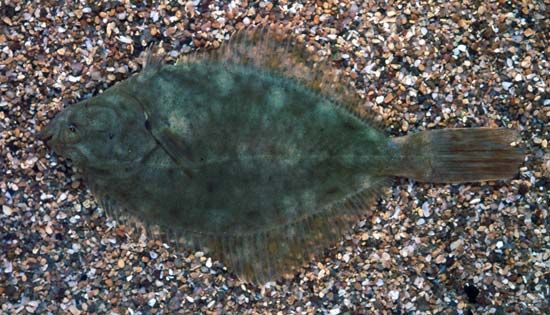
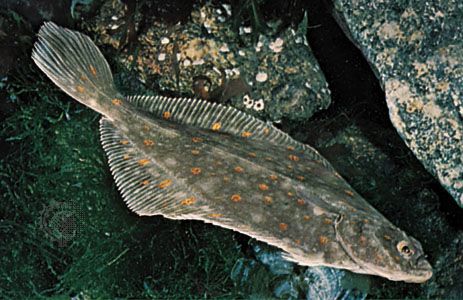
- Flatfish: Species such as plaice and flounders are frequently found in estuarine waters.5
- Migratory Species: Estuaries serve as essential corridors for fish that move between fresh and salt water. Salmon pass through these areas when migrating from the sea to spawn in rivers, while eels traverse them as juveniles returning to fresh water after breeding in the sea.5
- Nursery Residents: Many other fish species rely on the protection provided by mangrove forests, salt marshes, and seagrass beds to survive their juvenile stages before migrating to the open ocean.57
While some small, colorful fish are categorized as tropical fish and often kept in aquariums, the fish populations that define the ecological health of tropical estuaries are typically those that depend on the nutrient-rich, sheltered habitats provided by the estuary’s unique structure.586
Sources
- snook — Encyclopædia Britannica
- snook — Merriam-Webster
- snook — Merriam-Webster
- Amazing Mangroves — Encyclopædia Britannica
- estuary - Primary productivity — Encyclopædia Britannica
- mangrove: Top Questions — Encyclopædia Britannica
- tropical fish — Encyclopædia Britannica
- estuary - Salt wedge estuaries — Encyclopædia Britannica
Published on · 2 min read