Sparrow
The term "sparrow" refers to a diverse group of small, seed-eating birds characterized by their conical bills. They are primarily categorized into two…
What are the different species of sparrows and how do they differ?
The term “sparrow” refers to a diverse group of small, seed-eating birds characterized by their conical bills. They are primarily categorized into two distinct families: the Old World family Passeridae and the New World family Emberizidae.12
Key Differences and Species
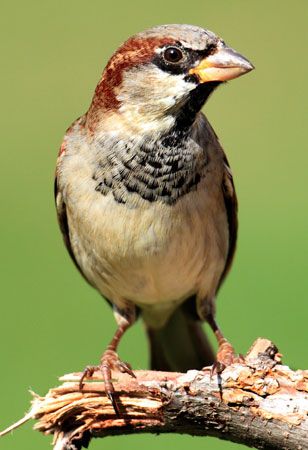
- Old World Sparrows: The most prominent member is the house sparrow, a buffy-brown bird known for its adaptability to urban environments. Males are distinguished by a black bib.3
- New World Sparrows (Emberizidae): This family includes nearly 200 species that vary significantly in appearance and habitat:12
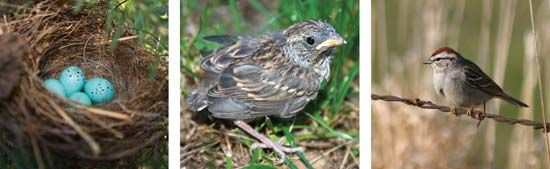
- Markings: Species like the chipping sparrow and tree sparrow feature reddish-brown caps, while white-crowned and white-throated sparrows exhibit bold black-and-white head stripes.12
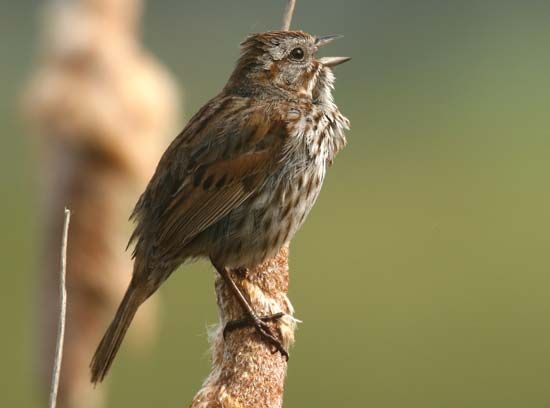
- Patterns: The savanna and vesper sparrows are noted for their fine streaks, whereas the song sparrow and fox sparrow are heavily streaked woodland dwellers.1
- Diversity: Emberizids range from 10 to 20 cm in length and occupy diverse environments, from tundra to tropical rainforests.2
What conservation efforts are in place to protect sparrow populations?
Conservation efforts for sparrows are highly dependent on the specific needs of the species and the environmental pressures they face.
For endangered populations, such as the Cape Sable seaside sparrow in the Florida Everglades, conservation focuses on ecological restoration. Human-led water management has historically altered natural flow patterns, causing unnatural flooding that destroys nesting sites or creates dry conditions that increase fire risks. Protecting this species requires restoring natural water levels and fire regimes to ensure the survival of their prairie habitats.2
Conversely, some sparrow species are managed as pests due to their impact on agriculture or urban infrastructure. For example, the Java sparrow is considered a threat to Asian rice fields, and the house sparrow is often viewed as a nuisance in urban areas for fouling buildings.4
On a broader scale, many countries, including the United States and Great Britain, have enacted laws that prohibit the capture and sale of most native songbirds to prevent overexploitation, a significant shift from historical practices where birds were commonly hunted for feathers or the pet trade.4
How have sparrows been portrayed in literature, art, and popular culture throughout history?
Sparrows have long held a place in human culture, reflecting their status as some of the most familiar and abundant birds worldwide. As members of the order Passeriformes, they belong to a group of songbirds that have been incorporated into folklore, poetry, music, sculpture, and painting since prehistoric times due to their aesthetic appeal and behavioral traits.2
While specific symbolic roles for sparrows are less universally codified in art history than those of birds like the goldfinch or raven, their ubiquity in human environments—particularly the house sparrow—has made them a constant presence in literature and daily life. Their image has shifted alongside their relationship with humans; once viewed as common companions, they are sometimes characterized as urban pests today due to their tendency to nest in buildings and foul infrastructure.62
Historically, the cultural significance of passerines often stemmed from their beauty or perceived qualities like speed and aggressiveness, leading to their use in personal adornment and as subjects of artistic study. However, the provided records do not detail specific literary or artistic works centered on the sparrow.2
How have sparrows adapted to urban environments and what impact has this had on their populations?
Sparrows, particularly the house sparrow, have demonstrated significant behavioral and physiological adaptations to thrive in urban environments. Because cities share structural similarities—such as building types, infrastructure, and landscape designs—urban animal communities often become dominated by generalist species that have a long history of association with humans.2
Behavioral and Population Adaptations
One of the most notable adaptations is the modification of birdsong. To communicate effectively amidst the high levels of urban noise found near transportation corridors, urban sparrows often sing at a higher pitch and greater volume than their nonurban counterparts. Additionally, some urban populations show evidence of genetic differentiation from rural groups, reflecting the unique selective pressures of city life.2
Impact on Populations
The relationship between sparrows and urban environments has historically influenced their population numbers:
- Historical Dependence: In the past, large urban sparrow populations were supported by waste grain from horse feed. As automobiles replaced horses, the availability of this food source decreased, leading to a decline in urban sparrow numbers.8
- Pest Status: Today, sparrows are often managed as pests in cities because they foul buildings with excrement and obstruct infrastructure like rain gutters and ventilators with their nests.9
- Ecological Niche: While they are highly successful in human-modified landscapes, their reliance on these environments means they are susceptible to changes in urban planning and human activity.2
Sources
- Sparrow — Encyclopædia Britannica
- House sparrow — Encyclopædia Britannica
- Emberizidae — Encyclopædia Britannica
- conservation - Flood control — Encyclopædia Britannica
- Passeriform - Aesthetic and economic importance — Encyclopædia Britannica
- sparrow — Merriam-Webster
- sparrowlike — Merriam-Webster
- house sparrow — Merriam-Webster
- Bird - Importance to man — Encyclopædia Britannica
- Urban ecosystem - The structure of urban ecosystems — Encyclopædia Britannica
Published on · 4 min read