Squirrel Corn
Squirrel corn (Dicentra canadensis) is a wildflower native to the woodlands of eastern and midwestern North America. It is a member of the poppy family and…
What is squirrel corn?
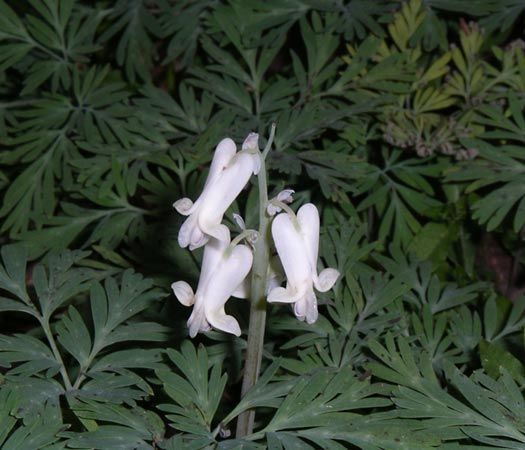
Squirrel corn (Dicentra canadensis) is a wildflower native to the woodlands of eastern and midwestern North America. It is a member of the poppy family and is classified as a herbaceous perennial1.1
The plant is a spring ephemeral, meaning it completes its life cycle and dies back shortly after flowering in the spring. It typically grows to about 30 cm (1 foot) in height and features delicate, compound leaves and fragrant, white or cream-colored flowers. Its common name is derived from the small, yellow, nodulelike tubers that cluster along its rootstock, which resemble kernels of corn.2
Squirrel corn is closely related to other well-known plants such as the bleeding heart and Dutchman’s breeches, and it is occasionally grown as a garden ornamental.2
What are spring ephemerals?
In botany, spring ephemerals are short-lived plants that complete their life cycle—growing, flowering, and setting seed—during a brief window of favorable conditions before going dormant.34
These plants typically emerge in early spring in deciduous forests, taking advantage of the sunlight that reaches the forest floor before the tree canopy fully leafs out. Once the trees provide dense shade or environmental conditions become less ideal, these plants die back or enter a dormant state, often persisting through unfavorable periods as seeds or underground structures. Common examples of these plants include trillium and bloodroot.34
The term “ephemeral” generally refers to anything that lasts for a very short time. In a broader ecological context, the term is also used to describe temporary habitats, such as ephemeral ponds formed by spring rains and snowmelt, which serve as breeding grounds for species like the spring peeper5.3
How does the bleeding heart plant compare to squirrel corn?
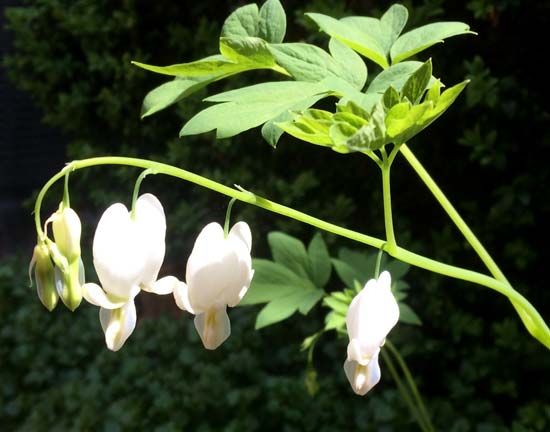
Both squirrel corn (Dicentra canadensis) and the bleeding heart (Lamprocapnos spectabilis) are members of the poppy family and share a close botanical relationship, which is reflected in the similar, tremulous appearance of their flowers.16
However, they differ in their life cycles and growth habits:
- Life Cycle: Squirrel corn is a spring ephemeral, meaning it completes its growth and flowering cycle quickly in the spring before dying back to a dormant state. While many Dicentra species share similar traits, the common garden bleeding heart is a more robust perennial that typically persists longer through the growing season.1
- Physical Characteristics: Squirrel corn is a smaller plant, reaching about 30 cm (1 foot) in height, and is named for the yellow, corn-like tubers found along its rootstock.1
Both plants are valued as ornamentals, though they are distinct species within the Papaveraceae family.16
What other plants belong to the poppy family?
The poppy family (Papaveraceae) is a diverse group of approximately 2,200 species across 48 genera. While many are known for their ornamental value, the family also includes plants of significant pharmaceutical importance.67
Beyond the well-known poppy (Papaver), other notable members include:
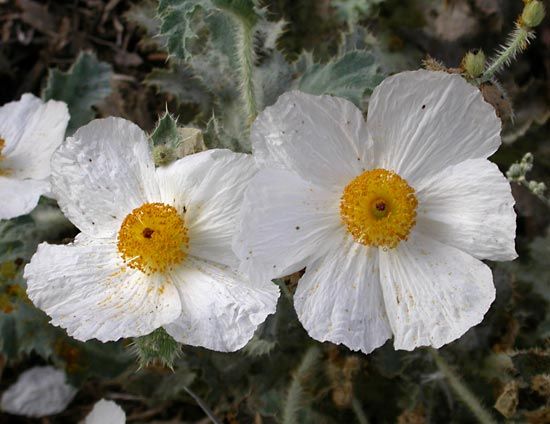
- Ornamental Favorites: The California poppy (Eschscholzia californica), bleeding heart (Lamprocapnos spectabilis), and the Matilija poppy (Romneya coulteri) are widely cultivated for their striking flowers.687
- Woodland and Native Species: Bloodroot (Sanguinaria canadensis), Dutchman’s breeches, and squirrel corn are popular spring-blooming plants.67
- Diverse Genera: The family also encompasses creamcups (Platystemon californicus), prickly poppy (Argemone), horned poppy (Glaucium), and the Mexican tulip poppy (Hunnemannia fumariifolia).67
- Unique Forms: Other members include the tree poppy (Dendromecon rigida), the snow poppy (Eomecon chionantha), and the plume poppies (Macleaya), which are prized for their foliage and height.68
Most members of this family are herbaceous plants, though some species grow as woody shrubs or small tropical trees.67
Sources
- squirrel corn — Encyclopædia Britannica
- squirrel corn — Merriam-Webster
- ephemeral — Merriam-Webster
- Ephemeral — Encyclopædia Britannica
- 12 Words for Signs of Spring | Spring peeper — Merriam-Webster
- list of plants in the family Papaveraceae — Encyclopædia Britannica
- poppy — Encyclopædia Britannica
- Papaveraceae — Encyclopædia Britannica
Published on · 3 min read