Tarpan
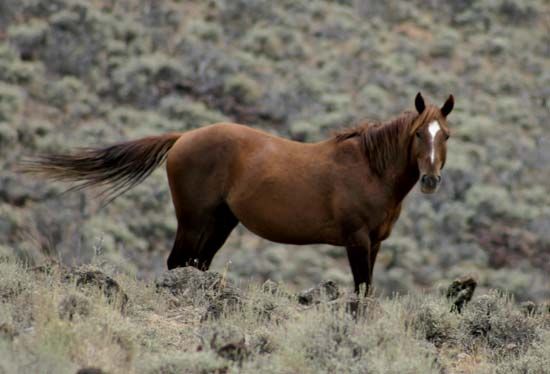
The tarpan was a small, dun-colored European wild horse that once inhabited remote regions of central and eastern Europe and parts of Asia. These animals…
What is tarpan?
The tarpan was a small, dun-colored European wild horse that once inhabited remote regions of central and eastern Europe and parts of Asia. These animals were characterized by their flowing manes and tails, and they stood relatively short compared to modern domesticated breeds.123
The species became extinct in its pure wild form early in the 20th century, though some populations were later reestablished in areas such as Poland. Because the original wild population dwindled, it is likely that the final survivors interbred with domesticated horses. Today, zoos in the United States and Europe exhibit tarpan-like horses, which were produced through selective breeding programs using domestic horses known to carry tarpan ancestry.12
How does the Przewalski’s horse differ from the tarpan?
The tarpan and Przewalski’s horse are both considered ancestral stocks of the domestic horse, but they differ in their history, physical characteristics, and survival status.14
Key Differences
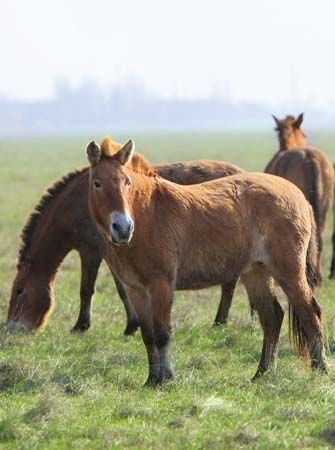
- Geographic Origin: The tarpan was native to the steppes of eastern Europe and southern Russia, whereas Przewalski’s horse inhabited the remote steppe regions between Mongolia and China.13
- Physical Appearance:
- Survival Status: The tarpan became extinct in its pure wild form in the early 20th century, with surviving populations likely interbreeding with domestic horses. In contrast, Przewalski’s horse is the last wild horse subspecies surviving in the 21st century; while it was once declared extinct in the wild, successful reintroduction programs have established populations in Mongolia and China.5163
What is the process of selective breeding to recreate extinct animals?
The process of recreating extinct animals through selective breeding is known as back breeding (or breeding back). This approach aims to produce a living animal that displays the physical traits of a wild ancestor by selectively mating existing breeds that possess those desired characteristics.7
The Process of Back Breeding
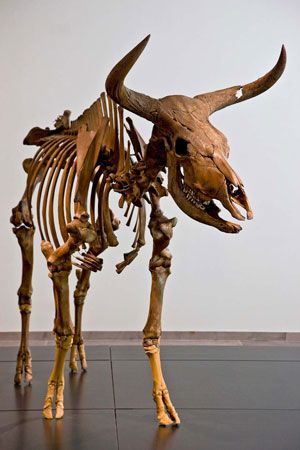
Back breeding relies on the principles of selective breeding, a practice humans have used for centuries to cultivate specific traits in livestock. Historically, this method was based on morphological observations—such as historical descriptions or bone specimens—rather than genetic data. For example, in the 1920s and 1930s, the Heck brothers attempted to recreate the extinct aurochs by crossbreeding various modern cattle breeds. However, because they lacked insight into the animals’ genetic relatedness, the resulting “Heck cattle” bore little resemblance to the original species.71
Modern Advancements
In the late 20th century, the process evolved with the integration of genetics and molecular biology. Scientists can now:
- Isolate and analyze DNA from preserved tissues to understand the genetic makeup of extinct species.7
- Identify living relatives that are genetically close to the extinct ancestor.7
- Use genome editing and reproductive technologies to produce offspring that are both morphologically and genetically similar to the extinct species.7
While back breeding offers a way to potentially restore lost traits, it remains a subject of ethical debate. Critics argue that these animals may not truly represent the original species and that such projects could distract from the urgent need to protect existing endangered species and their habitats.7
What are some other examples of animals that have gone extinct in recent history?
Several species have gone extinct in recent history due to a combination of human activities, such as overhunting, habitat destruction, and the introduction of invasive species. Notable examples include:1112
- Dodo: A flightless bird native to Mauritius, the dodo was exterminated by the late 17th century (c. 1681) following the arrival of sailors and invasive predators like pigs, dogs, and rats.1312
- Passenger Pigeon: Once numbering in the billions across North America, this migratory bird was hunted to extinction for food. The last known individual, Martha, died in 1914.1412
- Steller’s Sea Cow: Discovered in 1741 in the Bering Sea, this massive marine mammal was hunted for its meat and fat by seal hunters. It was driven to extinction by 1768, less than 30 years after its discovery.12
- Great Auk: This flightless North Atlantic seabird was hunted extensively for food and bait. The last known specimens were killed in 1844.12
- Eurasian Aurochs: An ancestor of modern cattle, this large wild ox was hunted for sport and meat. The last known individual died in Poland in 1627.12
Sources
- tarpan — Encyclopædia Britannica
- tarpan — Merriam-Webster
- equine — Encyclopædia Britannica
- Przewalski’s horse — Encyclopædia Britannica
- horse - Evolution of the horse — Encyclopædia Britannica
- perissodactyl - The wild horse — Encyclopædia Britannica
- de-extinction — Encyclopædia Britannica
- phylogenetics — Encyclopædia Britannica
- evolution - Convergent and parallel evolution — Encyclopædia Britannica
- aurochs — Encyclopædia Britannica
- extinction — Encyclopædia Britannica
- Dodo — Encyclopædia Britannica
- Passenger pigeon — Encyclopædia Britannica
- 6 Animals We Ate Into Extinction — Encyclopædia Britannica
- Quaternary - Fauna and flora — Encyclopædia Britannica
Published on · 3 min read