Toad Bug
A toad bug is not an amphibian, but rather an insect belonging to the family Gelastocoridae within the order Heteroptera. They are named for their…
What is toad bug?
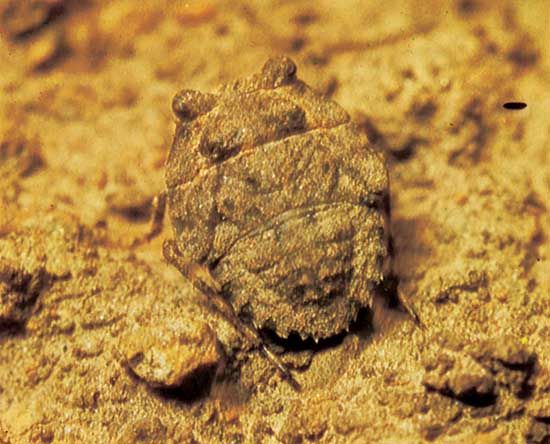
A toad bug is not an amphibian, but rather an insect belonging to the family Gelastocoridae within the order Heteroptera. They are named for their resemblance to tiny frogs, characterized by short, broad bodies and protruding eyes.12
These insects are found in all zoogeographic regions, typically inhabiting the muddy edges of streams and ponds. As predators, they capture their prey by leaping upon it. Their coloration often varies based on their specific environment, and they are known to exhibit behaviors such as living in underground holes or burying their eggs in sand.1
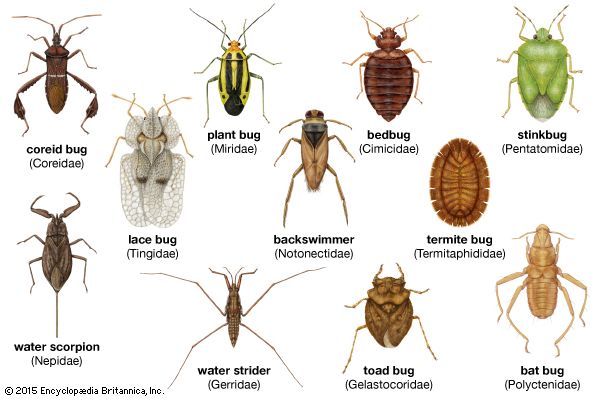
How do toad bugs use camouflage to hide in their environment?
Toad bugs (family Gelastocoridae) utilize camouflage primarily through their coloration, which varies depending on the specific environment they inhabit. By matching the hues of their surroundings—typically the muddy edges of streams and ponds—they are better able to blend into their habitat and avoid detection.1
While some amphibians use complex structural modifications or behavioral displays to hide, the primary camouflage mechanism noted for toad bugs is this environmental color adaptation. Additionally, these insects exhibit behaviors that may further aid in their concealment, such as living in underground holes or burying their eggs in sand.1
What are some other types of insects that hunt by leaping?
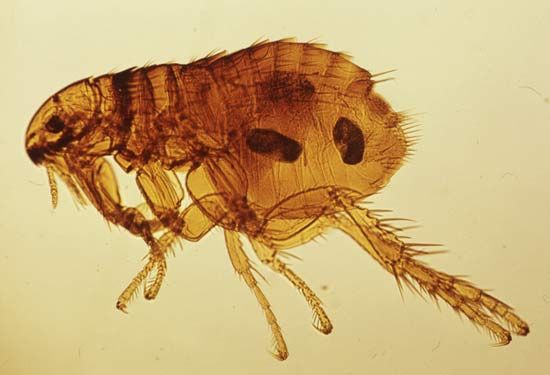
While many insects are known for their jumping abilities, the primary mechanism for hunting by leaping is most famously associated with the flea.
- Fleas: These insects have evolved highly specialized jumping legs that utilize a rubbery protein called resilin. By compressing these resilin pads and using a muscle-controlled catch mechanism, they can store and release energy to leap distances up to 200 times their body length, effectively allowing them to “fly” with their legs.7
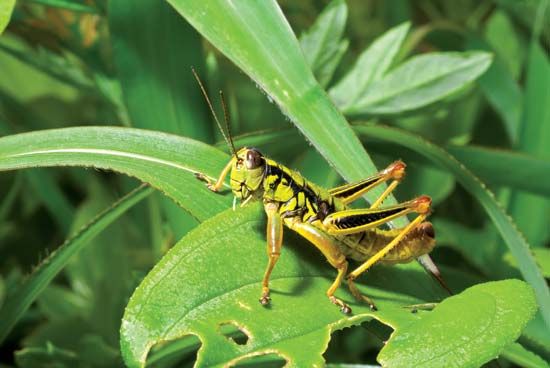
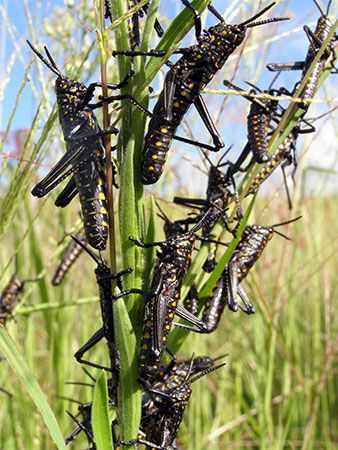
It is important to note that while many other insects, such as grasshoppers and locusts, are famous for their powerful jumping legs, they typically use this ability for locomotion or escaping predators rather than as a primary hunting strategy. Similarly, while jumping spiders are renowned for pouncing on prey from a distance, they are arachnids, not insects.89
How do toad bugs differ from actual toads?
Toad bugs and actual toads are fundamentally different organisms, belonging to entirely separate biological classes.
Biological Classification
- Toad bugs (family Gelastocoridae) are insects within the order Heteroptera. They are invertebrates characterized by their small size, broad bodies, and protruding eyes.13
- Toads are amphibians belonging to the order Anura. They are vertebrates with complex internal systems, including skeletons and lungs.216
Key Differences
Feature
Toad Bug
Toad
Classification
Insect (Invertebrate)
Amphibian (Vertebrate)
Skin
Exoskeleton
Rough, often warty, moist skin
Feeding
Leaps directly onto prey
Uses a sticky tongue to catch prey
Defense
Camouflage
Poison-secreting glands (e.g.,
parotid glands
)
Life Cycle
Simple metamorphosis
Complex (egg to
tadpole
to adult)
While toad bugs are named for their superficial resemblance to frogs or toads, they lack the physiological traits of true amphibians, such as the ability to produce toxic secretions from specialized glands or the complex aquatic-to-terrestrial life cycle of the Anura order.12
Sources
- toad bug — Encyclopædia Britannica
- toad bug — Merriam-Webster
- toad — Encyclopædia Britannica
- Gelastocoridae — Merriam-Webster
- frog and toad - Structural modifications — Encyclopædia Britannica
- frog and toad - Coloration — Encyclopædia Britannica
- spider - Stalking prey — Encyclopædia Britannica
- jumping spider — Encyclopædia Britannica
- Orthoptera - Hormones — Encyclopædia Britannica
- locust — Encyclopædia Britannica
- ambush bug — Encyclopædia Britannica
- assassin bug — Encyclopædia Britannica
- mantis — Encyclopædia Britannica
- flea - Form and function — Encyclopædia Britannica
- jumping ant spider — Encyclopædia Britannica
- amphibian - Annotated classification — Encyclopædia Britannica
- frog and toad — Encyclopædia Britannica
Published on · 2 min read