Wild Cashew
The wild cashew (Anacardium excelsum) is a tropical forest tree belonging to the Anacardiaceae family. It is a significant species native to Central and…
What are the main physical features of the wild cashew tree, including its height, leaves, and bark?
The wild cashew (Anacardium excelsum) is a tropical forest tree belonging to the Anacardiaceae family. It is a significant species native to Central and South America, often found in both secondary and old-growth forests.1
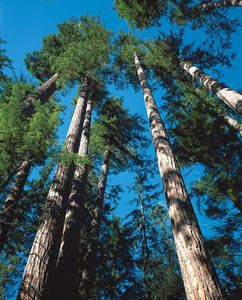
Regarding its physical characteristics, the wild cashew is a large tree that can reach a height of more than 30 metres (100 feet). It is distinguished by its leathery, oval-shaped leaves. While the provided information highlights the tree’s impressive stature and foliage, specific details regarding the texture or appearance of its bark are not included in the available data.1
The tree is highly valued for its strong wood, which is frequently utilized by local populations for the construction of dugout canoes. Its reproductive process involves singular nutlike seeds borne on a swollen stalk known as a hypocarp, which plays a vital role in seed dispersal by attracting animals such as bats and parrots.1
What are the unique characteristics of the wild cashew tree’s fruit and nut?
The wild cashew (Anacardium excelsum) possesses unique reproductive structures that facilitate its survival and seed dispersal within tropical forest ecosystems.
The Nut and Hypocarp
Unlike many other species, the wild cashew’s singular, nutlike seeds are borne on a swollen stalk known as a hypocarp. This arrangement is somewhat similar to the way an acorn nut is attached to its “cap.” The hypocarp serves as a critical ecological attractant; it is a favorite food for various bats, which assist in dispersing the seeds away from the parent plant while removing the stalk.1
Ecological Interactions
The seeds themselves are highly sought after by parrots, which consume large quantities while the fruit is still on the tree. This predation is significant because seeds that fall directly beneath the parent tree often fail to establish; they are frequently attacked and killed by a suite of pathogens, making long-distance dispersal essential for the species’ successful reproduction.1
How is the wild cashew tree used in traditional medicine or by indigenous peoples?
The provided search results do not contain information regarding the use of the wild cashew tree (Anacardium excelsum) in traditional medicine or by indigenous peoples. While the related domesticated cashew (Anacardium occidentale) is noted for having resin used in traditional medicines, this information is not attributed to the wild cashew species in the available data.12
How does the wild cashew tree differ from the cultivated cashew tree?
The wild cashew (Anacardium excelsum) and the cultivated cashew (Anacardium occidentale) are closely related members of the Anacardiaceae family, yet they differ significantly in size, utility, and cultivation focus.
Physical and Ecological Differences
- Size: The wild cashew is a large forest tree that can reach heights exceeding 30 metres (100 feet). In contrast, the cultivated cashew is smaller, typically growing up to 12 metres (40 feet).12
- Reproduction: Both species produce seeds attached to a swollen stalk known as a hypocarp. In the wild species, this structure is primarily an ecological tool for seed dispersal by bats1. In the cultivated species, the hypocarp—often called the cashew apple—is an accessory fruit used locally for beverages and jams.2
Economic and Practical Use
Sources
- Wild cashew — Encyclopædia Britannica
- Cashew — Encyclopædia Britannica
Published on · 3 min read