Woodsiaceae
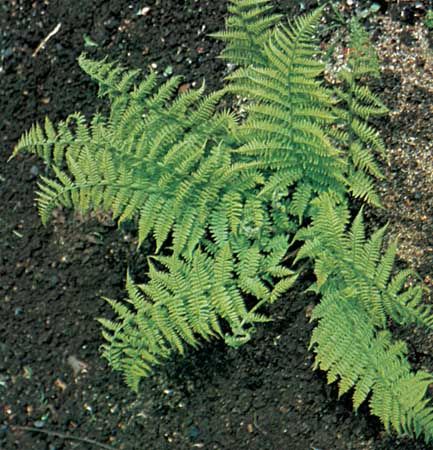
Woodsiaceae, commonly known as the cliff fern family, is a group of plants within the division Pteridophyta. While classification systems can vary, the…
What is Woodsiaceae?
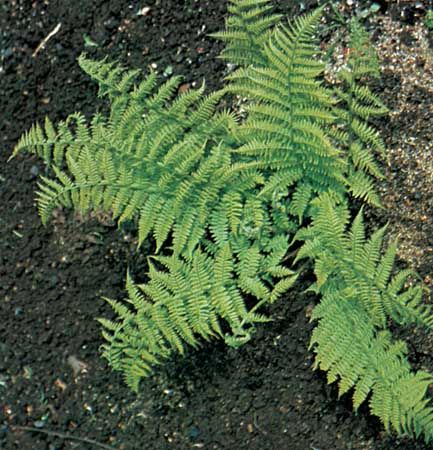
Woodsiaceae, commonly known as the cliff fern family, is a group of plants within the division Pteridophyta. While classification systems can vary, the family is characterized by plants that typically grow in soil or on rocks, featuring scaly rhizomes and leaves that are pinnately divided.12
These ferns are distributed nearly worldwide, showing the greatest diversity in temperate regions and mountainous tropical areas. Their morphology is highly variable, particularly regarding leaf structure and the shape of the sorus and indusium.1
Several genera within this group are popular in cultivation, such as Athyrium (lady fern), Cystopteris (fragile fern), and Woodsia (cliff fern). Additionally, Diplazium esculentum, known as the vegetable fern, is a common food source in East Asia.1
What are the main differences between terrestrial and epiphytic ferns?
The primary distinction between terrestrial and epiphytic ferns lies in their habitat and method of growth.
Terrestrial Ferns
Terrestrial ferns grow directly in the ground, rooting in soil or humus. They are most commonly found in shaded, damp forests, though some species have adapted to open, exposed sites or even salt marshes. Because they are anchored in the earth, they have direct access to soil-based nutrients and moisture.3
Epiphytic Ferns
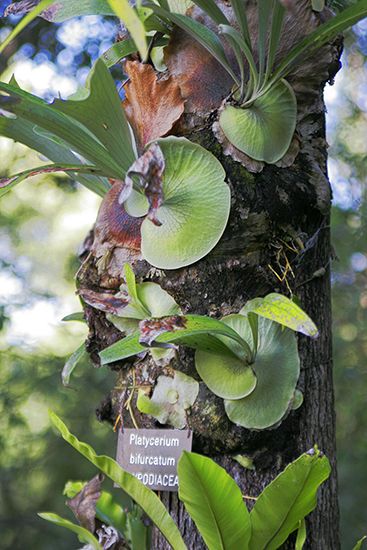
Epiphytes are plants that grow upon other plants—typically trees—or objects for physical support rather than for nutrition. They have no attachment to the ground and are not parasitic, meaning they do not derive nutrients from the host plant. Instead, they access sunlight in dense forest canopies and obtain water and nutrients from rain, air moisture, and organic debris that collects on branches and trunks.43
Shared Adaptations
While their environments differ, both groups may exhibit similar structural adaptations to manage water stress, especially in drier conditions. These include:3
- Thick cuticles: A waxy layer on the epidermis to prevent water loss.3
- Hard tissues: A thick, leathery texture to the fronds.35
- Trichomes and scales: Plant hairs or scales on leaf and stem surfaces to retain moisture.3
Some ferns, such as the staghorn fern, are specialized epiphytes that use sterile fronds to cling to bark, while others are climbers that begin on the ground and grow upward.35
How do ferns reproduce without using seeds?
Ferns reproduce through a process called alternation of generations, which involves two distinct life stages: the asexual sporophyte and the sexual gametophyte.78
The Life Cycle
- Spore Production: The familiar fern plant (the sporophyte) produces spores within specialized cases called sporangia, often found in clusters known as sori on the undersides of fronds.79
- Gametophyte Stage: Once released and dispersed by wind, a spore that lands in a suitable environment germinates into a tiny, heart-shaped plant called a prothallium. This gametophyte produces both male (antheridia) and female (archegonia) sex organs.798
- Fertilization: Sperm swim through a film of water to reach the egg within the archegonium. The resulting zygote develops into a new, independent sporophyte, eventually causing the prothallium to wither.7108
Additionally, many ferns reproduce vegetatively through their rhizomes or leaf proliferations, and some are apomictic, meaning they can produce new sporophytes directly from gametophyte cells without fertilization.7
What are some common uses for ferns in gardening and cooking?
Ferns are primarily valued for their role in horticulture, serving as popular choices for both indoor and outdoor decoration.
Gardening and Landscaping
Ferns are widely cultivated for their aesthetic appeal in gardens and homes. Common varieties include:
- Houseplants: Species such as the sword fern, holly fern, and bird’s-nest fern are favored for their diverse foliage. Others, like the staghorn fern and hare’s-foot fern, are prized for their unique growth habits and textures.4
- Ornamental Use: The lady fern is a popular choice for moist, semi-shaded garden areas due to its large, feathery fronds.11
- Terraria: Smaller species, often referred to as table ferns, are frequently used in terraria during their younger growth stages.4
Culinary Uses
While not a major food source, certain ferns are consumed in various parts of the world:
- Edible Parts: Young, coiled leaves known as crosiers are a popular food item. The ostrich fern is commonly eaten, and the rhizomes and young leaves of the lady fern are also considered edible after being cooked.1211
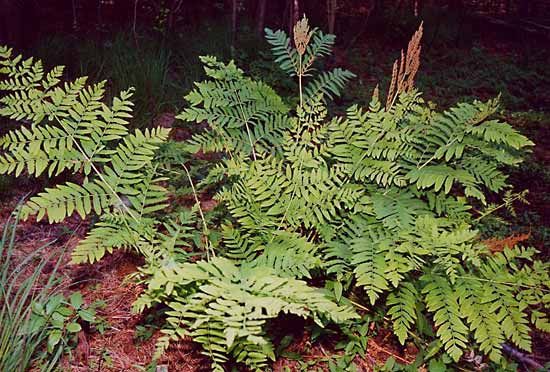
- Safety Warning: Consumption requires caution, as some species, such as Osmunda and Pteridium, have been shown to be strongly carcinogenic.12
Sources
- Woodsiaceae — Encyclopædia Britannica
- Fern - Annotated classification — Encyclopædia Britannica
- Fern - Ecology — Encyclopædia Britannica
- houseplant - Ferns — Encyclopædia Britannica
- Epiphyte — Encyclopædia Britannica
- water fern — Encyclopædia Britannica
- Fern - Life cycle — Encyclopædia Britannica
- Fern - Sexual reproduction — Encyclopædia Britannica
- Plant reproductive system - Ferns — Encyclopædia Britannica
- lower vascular plant - Reproduction — Encyclopædia Britannica
- Fern - Importance to humans — Encyclopædia Britannica
- Lady fern — Encyclopædia Britannica
Published on · 3 min read