7 Questions About Lizards, Snakes, and Other Reptiles Answered
Reptiles are a diverse group of animals with fascinating biological and behavioral traits. Here are seven common questions about them answered:
What are 7 Questions About Lizards, Snakes, and Other Reptiles Answered?
Reptiles are a diverse group of animals with fascinating biological and behavioral traits. Here are seven common questions about them answered:
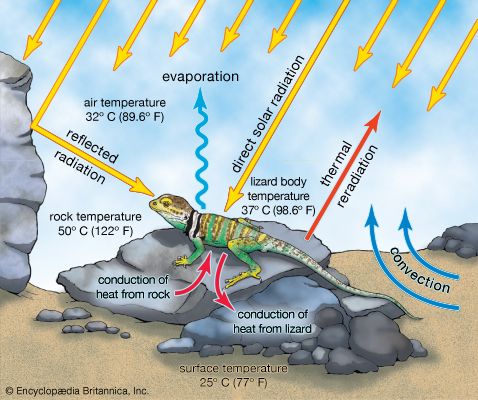
- Why are reptiles cold-blooded? Most reptiles are ectothermic, meaning they rely on external heat sources like sunlight to regulate their body temperature rather than generating heat internally.12
- How do reptiles reproduce? While most species lay eggs, many lizards and snakes have evolved to be live-bearers (viviparity).34
- What do reptiles eat? Most modern reptiles are carnivorous, feeding on insects, small mammals, or other animals, though some, like land tortoises, are herbivores.5
- Are all lizards venomous? No; of the thousands of species, only the Gila monster and the Mexican beaded lizard are venomous.6
- How do reptiles grow? Reptiles are covered in scales made of keratin, which protect them and define their class.4
- Can reptiles live in cold climates? While most prefer warm regions, some species, such as the viviparous lizard, have ranges that extend into the Arctic Circle.27
- Do reptiles care for their young? Most reptiles abandon their eggs, but some, particularly crocodiles, exhibit complex parental care.3
How does temperature affect the sex of baby reptiles?
In many reptile species, the sex of offspring is determined by genetics, but some rely on temperature-dependent sex determination (TSD). In these cases, the temperature of the nest during a critical period of embryonic development dictates whether the hatchlings become male or female.92
The specific effect of temperature varies by group:
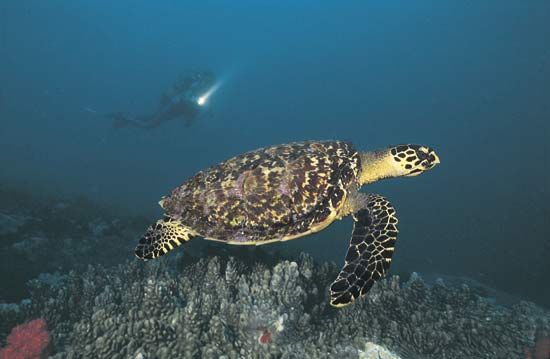
- Turtles: Generally, higher incubation temperatures produce females, while cooler temperatures produce males. At a narrow range of intermediate temperatures, a more balanced ratio of both sexes is produced.210
- Crocodiles: The pattern is often reversed compared to many turtles, with females typically resulting from cooler incubation temperatures.2
- Squamates (Lizards and Snakes): While most species in this group have their sex determined by genetics, some display TSD, though the specific temperature-to-sex relationship can vary.92
This process is highly sensitive to environmental conditions. For instance, rising global temperatures have been linked to skewed sex ratios in some populations, such as green sea turtles, where recent decades have seen an overwhelming majority of hatchlings born female.10
What are the main differences between ectotherms and endotherms?
The primary difference between ectotherms and endotherms lies in how they regulate their body temperature and generate heat.
- Heat Source: Endotherms (often called “warm-blooded”) generate heat internally through metabolic processes. In contrast, ectotherms (often called “cold-blooded”) rely primarily on external sources, such as sunlight or heated surfaces, to regulate their body temperature.111213
- Metabolic Cost: Endothermy is metabolically expensive because the body must produce heat continuously, requiring high quantities of food for fuel. Ectotherms require significantly less food, as they do not need to fuel constant internal heat production.1113
- Environmental Adaptability: Endotherms maintain a relatively constant body temperature, allowing them to remain active and survive in colder external environments. Ectotherms are more dramatically affected by temperature fluctuations and may become dormant or seek shelter in extreme conditions, though they have evolved sophisticated biochemical strategies, such as producing cryoprotectants, to survive freezing temperatures.111213
While these terms are often used, they are distinct from homeothermy and poikilothermy, which describe whether an animal’s body temperature remains constant or varies with the environment.13
How do reptiles use their scales for protection and survival?
Reptilian scales are essential adaptations that facilitate survival as the first truly terrestrial vertebrates. Their primary function is to prevent desiccation by creating a thick, water-resistant barrier that minimizes moisture loss through the skin.1516
These scales, composed of tough keratin, provide protection and versatility through several mechanisms:
- Physical Defense: Scales can be modified into specialized structures like spines, horns, or bony plates (osteoderms) that form protective armor. In some lizards, large, hard, spiny scales on the tail serve as a defensive weapon against predators.151617
- Camouflage and Signaling: Reptiles use scales to manage their appearance. Patterns and colors, produced by specialized cells in the skin, allow for effective camouflage, while some species use brightly colored scales on their tails as a diversionary tactic during confrontations.1517
- Locomotion and Environment: The shape of the scales is adapted to the animal’s lifestyle. For example, burrowing species often possess smooth, highly polished scales to reduce friction, while others maintain flexibility through smaller, non-overlapping granules.15
Sources
- Why are reptiles cold-blooded? — Encyclopædia Britannica
- reptile - Embryonic development and parental care — Encyclopædia Britannica
- reptile - General features — Encyclopædia Britannica
- reptile - Feeding habits — Encyclopædia Britannica
- lizard — Encyclopædia Britannica
- lizard - General features — Encyclopædia Britannica
- reptile - Distribution and ecology — Encyclopædia Britannica
- reptile - North temperate zone — Encyclopædia Britannica
- lizard - Embryonic development and sex determination — Encyclopædia Britannica
- turtle - Egg development and hatching — Encyclopædia Britannica
- Endotherm — Encyclopædia Britannica
- Ectotherm — Encyclopædia Britannica
- Did you know? — Merriam-Webster
- dinosaur - Ectothermy and endothermy — Encyclopædia Britannica
- Integument - Epidermal scales — Encyclopædia Britannica
- Integument - Reptiles — Encyclopædia Britannica
- reptile - Use of the tail — Encyclopædia Britannica
- reptile - External covering — Encyclopædia Britannica
Published on · 4 min read