Black Range
The Black Range is a mountain range in southwestern New Mexico, U.S., that stretches 100 miles (160 km) through Catron and Sierra counties.
What is Black Range?
The Black Range is a mountain range in southwestern New Mexico, U.S., that stretches 100 miles (160 km) through Catron and Sierra counties.1
Key features of the range include:
- Geography: It follows the Continental Divide for much of its length and is situated primarily within the Gila National Forest, near the headwaters of the Gila River.1
- Elevation: The highest point is Reeds Peak, which reaches an elevation of 10,015 feet (3,053 metres).1
- Access: While largely roadless, the range is accessible via a network of hiking trails and State Highway 152, known as the Black Range Highway, which was constructed in 1937.1
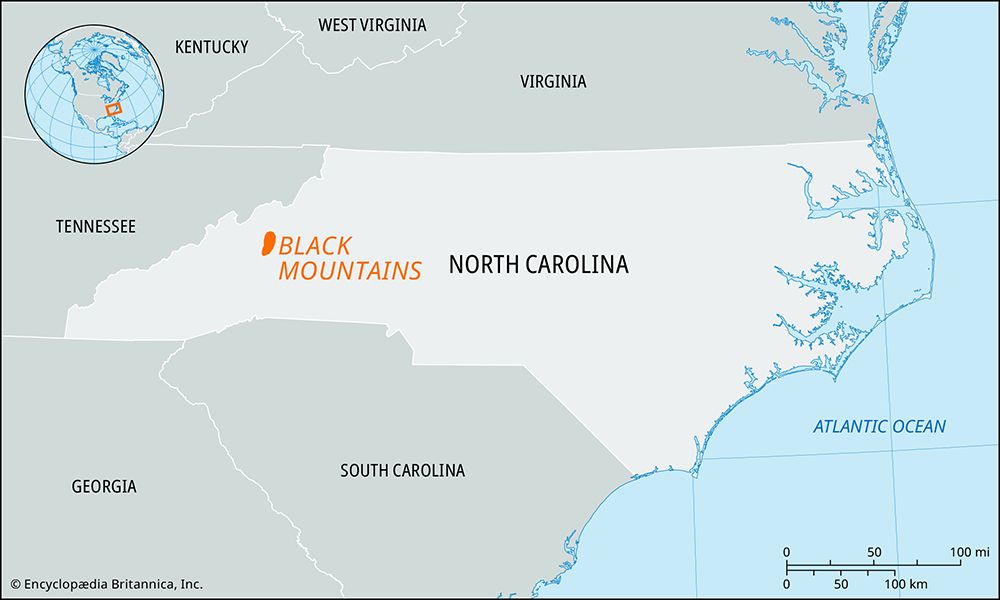
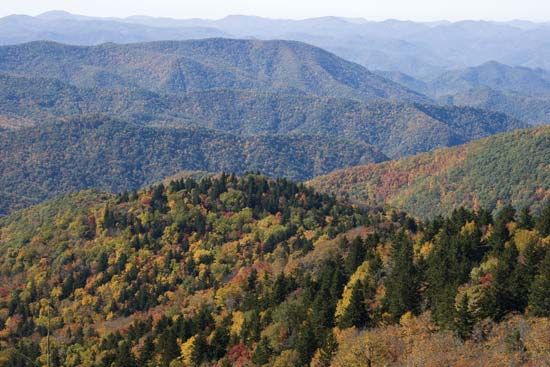
It is important to distinguish this range from the Black Mountains in North Carolina, which are part of the Appalachian Mountains and contain the highest peak east of the Mississippi River.2
What is the significance of the Continental Divide?
The Continental Divide, often called the Great Divide, is a significant geographical feature that acts as the primary watershed for the Americas. It consists of a series of high-altitude ridges that separate the continent’s drainage systems, determining whether water flows eastward toward the Atlantic Ocean (via the Mississippi River, the Rio Grande, or Hudson Bay) or westward into the Pacific Ocean.345
Stretching from Alaska through the Rocky Mountains and down to the southern tip of South America, the divide serves as a critical boundary for North American hydrology. A notable point of interest is the “Parting of the Waters” in Wyoming, where Two Ocean Creek splits to send water toward both the Atlantic and Pacific oceans. This vast landscape is traversed by the Continental Divide National Scenic Trail, which follows the crest of the divide through the United States.345
What kind of wildlife lives in the Gila National Forest?
The Gila National Forest, located in the mountainous regions of New Mexico, supports a diverse array of wildlife shaped by the area’s varying elevations.
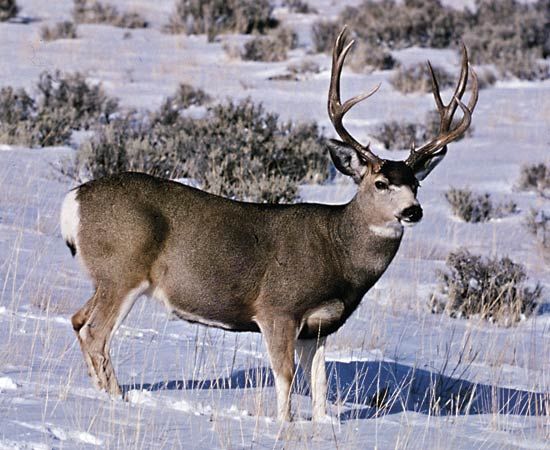
In the forest and mountain areas above 7,000 feet, common mammals include mule deer, black bears, bighorn sheep, mountain lions, bobcats, minks, muskrats, and foxes. At lower elevations, animals such as coyotes, antelopes, and jackrabbits are frequently found.6
The region is also home to specialized aquatic and endangered species. The Gila trout, a fragile species native to the area, inhabits cool mountain streams. Additionally, the forest serves as a habitat for the Mexican gray wolf, which was reintroduced to the region in 1999. Other common wildlife includes various species of rattlesnakes and approximately 300 species of birds.76
How do mountain ranges like the Black Range form?
Mountain ranges like the Black Range in New Mexico are primarily formed through tectonic processes, which involve the uplift or subsidence of the Earth’s crust. These processes are driven by horizontal forces that cause crustal shortening, thickening, and the movement of rock blocks.1
Mountain building generally occurs through several mechanisms:
- Uplift and Folding: Horizontal forces can cause rocks to fold, creating ridges and valleys. Additionally, the overthrusting of one crustal block over another can uplift the surface.1
- Magmatic Movement: The intrusion of molten rock from below the crust can raise the surface, and many mountain ranges are formed by chains of volcanoes derived from deep-seated rock.1
- Plate Tectonics: Ranges often form at convergent margins through subduction, where one tectonic plate sinks beneath another, or through the collision of two large continents.910
- Rifting: Some mountains, such as those in the Basin and Range Province, form through crustal extension where blocks of the crust move apart, leading to fault-block mountainous terrain.10
While tectonic processes build these structures, erosion simultaneously works to sculpt their relief and reduce their elevation over time.1
Sources
- Black Range — Encyclopædia Britannica
- Black Mountains — Encyclopædia Britannica
- Continental Divide — Encyclopædia Britannica
- Continental Divide — Merriam-Webster
- Parting of the Waters — Encyclopædia Britannica
- New Mexico - Plant and animal life — Encyclopædia Britannica
- Gila trout — Merriam-Webster
- Arizona - Plant and animal life — Encyclopædia Britannica
- plate tectonics - Mountain building — Encyclopædia Britannica
- tectonic landform — Encyclopædia Britannica
- continental landform - Orogenic geomorphic systems — Encyclopædia Britannica
Published on · 3 min read