Bomu River
The Bomu River is a significant river located in Central Africa and serves as a headstream of the Ubangi River.
What is Bomu River?
The Bomu River is a significant river located in Central Africa and serves as a headstream of the Ubangi River.1
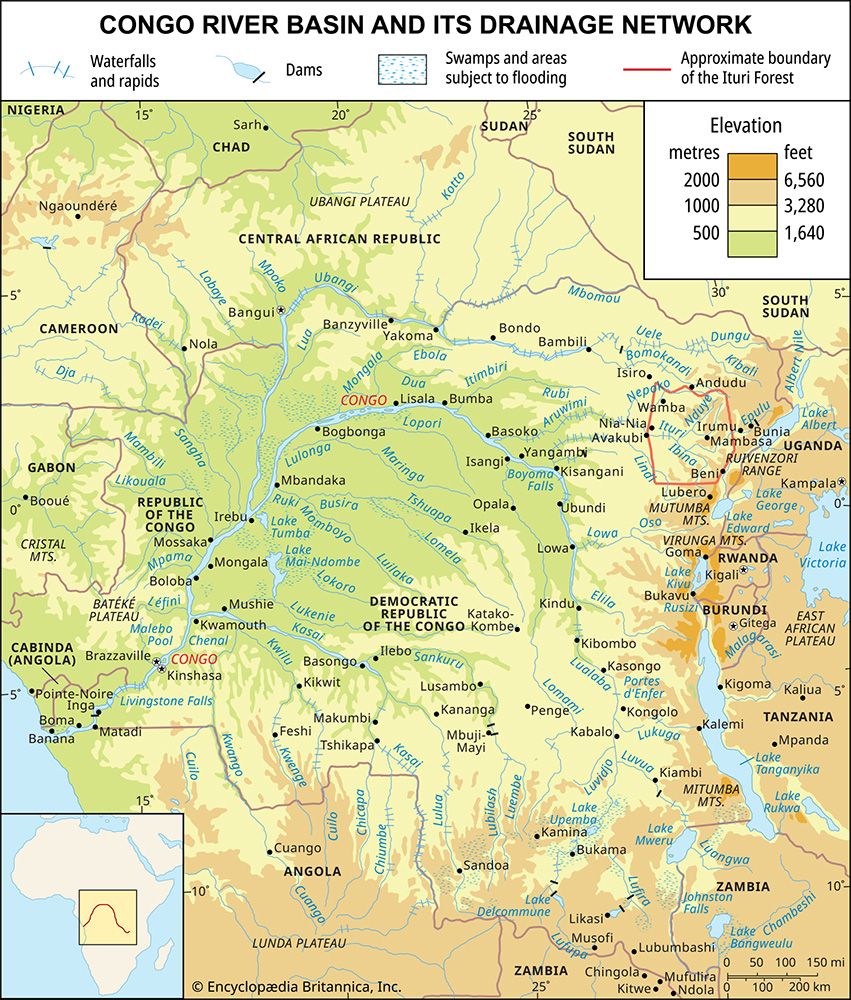
Rising approximately 30 miles northwest of Doruma in the Democratic Republic of the Congo, the river flows westward for 450 miles. Throughout its course, it forms the international border between the Democratic Republic of the Congo and the Central African Republic. The river winds through savanna landscapes, passing the town of Bangassou before meeting the Uele River at Yakoma to form the Ubangi. Its lower reaches are characterized by the presence of rapids.1
Historically, the river was explored by figures such as the Greek physician Panayotis Potagos and the explorer Wilhelm Junker, with a comprehensive hydrographic survey completed by a French expedition in 1910–11.1
What is the significance of the Ubangi River?
The Ubangi River is a vital geographical and economic feature of Central Africa, serving as the largest right-bank tributary of the Congo River. Its significance is defined by its role in regional connectivity, political boundaries, and hydrology.
Geopolitical and Hydrological Importance
- International Border: The river marks the boundary between the Democratic Republic of the Congo and the Republic of the Congo, acting as a major natural divider in the region.2
- Formation: It is formed by the confluence of the Bomu and Uele rivers near Yakoma. Together with the Uele, it spans approximately 1,400 miles.2
- Hydrological Contribution: As a primary tributary, the Ubangi contributes significantly to the Congo basin, causing an enormous increase in the average flow rate of the Congo River as it approaches Kinshasa.3
Economic and Navigational Role
The Ubangi is a critical component of the Congo’s navigational system. It provides an essential transport route for goods—including agricultural produce and minerals—to the downstream terminus at Kinshasa, particularly for regions that remain inaccessible by road. While infrastructure challenges and aging equipment have hampered its full potential, the river remains a fundamental link for communication and trade in the interior of the continent.4
How do rivers form international borders?
Sorry, the Britannica knowledge base does not contain information explaining the specific legal or political processes by which rivers are designated as international borders. The provided search results focus on the physical morphology of river deltas and the historical significance of rivers in human settlement and civilization.
What are the characteristics of the savanna ecosystem?
A savanna is a tropical or subtropical vegetation type defined by an open tree canopy with scattered trees and shrubs above a continuous layer of tall grasses. Typically located 8° to 20° from the Equator, these ecosystems serve as transitional zones between rainforests and deserts.78
Key Characteristics
- Climate: Savannas experience warm to hot temperatures year-round, with distinct alternating wet and dry seasons. Mean annual precipitation generally ranges from 80 to 150 cm (31 to 59 inches).78
- Structure: They are often categorized by the length of the dry season or the density of woody vegetation, ranging from savanna woodland to grass savanna.8
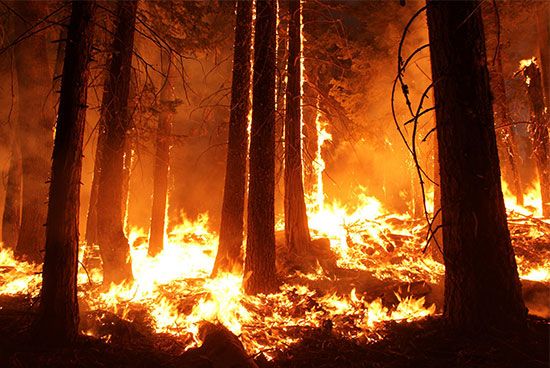
- Dynamics: Savannas are dynamic environments shaped by bushfires, grazing intensity, and soil conditions. Fire, fueled by dry grass, plays a crucial role in maintaining the open structure by limiting tree growth.8
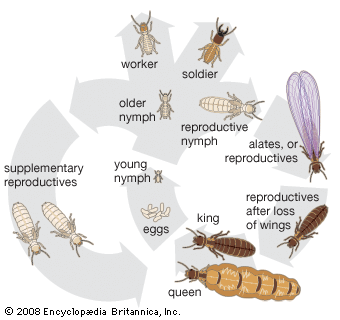
- Ecological Role: These regions act as significant carbon sinks and support diverse wildlife, including large grazing mammals and various invertebrates. Termites are particularly vital, as their feeding activities decompose a large proportion of organic matter.78
Sources
- Bomu River — Encyclopædia Britannica
- Ubangi River — Encyclopædia Britannica
- Congo River - Transportation — Encyclopædia Britannica
- Congo River - Physiography — Encyclopædia Britannica
- river - Morphology of deltas — Encyclopædia Britannica
- river - Significance in early human settlements — Encyclopædia Britannica
- Savanna: Top Questions — Encyclopædia Britannica
- Savanna - Threats — Encyclopædia Britannica
- Savanna - Environment — Encyclopædia Britannica
- Nigeria - Plant and animal life — Encyclopædia Britannica
- Savanna - Origin — Encyclopædia Britannica
Published on · 3 min read