Chat-thrush
Chat-thrushes, which belong to the Turdidae family, differ from "true" or typical thrushes in several physical and behavioral ways. While true thrushes are…
How does the chat-thrush’s behavior and vocalizations compare to other thrush species?
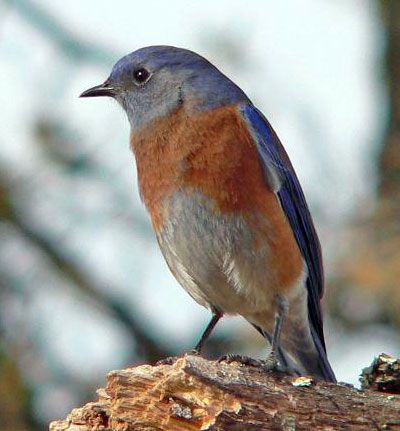
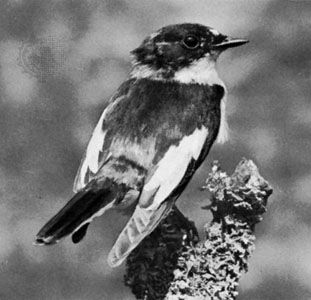
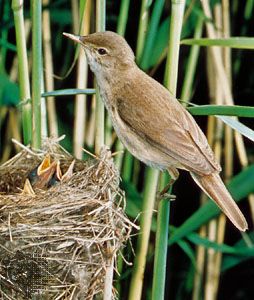
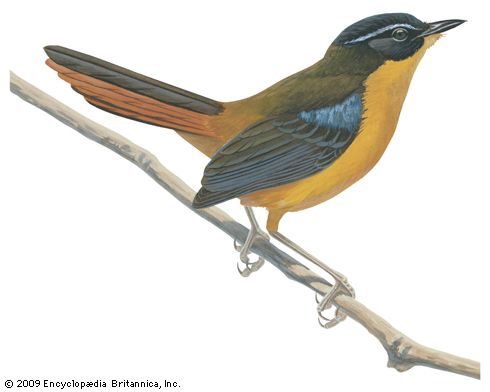
Chat-thrushes, which belong to the Turdidae family, differ from “true” or typical thrushes in several physical and behavioral ways. While true thrushes are often larger and more plainly colored, chat-thrushes are generally smaller, possess more colorful plumage, and have slenderer legs.12
Regarding behavior and vocalizations, the differences are notable:
- Vocalizations: Chat-thrushes are named for the harsh, chattering notes produced by many species and are generally considered less impressive singers than true thrushes.1
- Movement: A common behavioral trait among chat-thrushes is wing- and tail-flicking.1
- Foraging: Many chat-thrushes exhibit behaviors similar to flycatchers or warblers, whereas true thrushes are typically characterized by their insect and fruit-eating habits in diverse arboreal and terrestrial habitats.12
- Nesting: While most thrushes build open, cup-shaped nests, chat-thrushes show more diversity in their nesting habits, with some species occupying cavities. Additionally, chat-thrushes often lay larger clutches of five or six eggs, compared to the three to six eggs typical of other thrushes.12
How does the chat-thrush fit into the larger family of thrushes, and what are its closest relatives?
The chat-thrush is a member of the Turdidae family of songbirds, which includes approximately 190 species. While they are part of this larger family, they are sometimes classified as a distinct subfamily known as Saxicolinae. Compared to “true” or typical thrushes, chat-thrushes are generally smaller, possess more colorful plumage, and have more slender legs.12
The group includes a diverse array of well-known birds that serve as its closest relatives within the family. These include:
- Bluebirds1
- Bluethroats1
- Forktails1
- Magpie-robins1
- Nightingales1
- Redstarts1
- Robins1
- Warblers * Warblers1
- Wheatears1
The broader family Turdidae is closely related to Old World flycatchers and warblers, with which they share evolutionary links.2
What is the breeding behavior and nesting habits of the chat-thrush?
The breeding and nesting habits of the chat-thrush, a member of the Turdidae family, are characterized by notable diversity compared to other thrushes. While most members of the broader thrush family construct open, cup-shaped nests, chat-thrushes exhibit more varied nesting behaviors, with several species opting to occupy cavities instead.12
Regarding their reproductive output, chat-thrushes typically produce larger clutches than their relatives, commonly laying five or six eggs. These eggs are often pale and may be bluish in color. While true thrushes generally lay between three and six eggs, the consistent tendency toward larger clutch sizes is a distinguishing feature of the chat-thrush group.12
What is the typical habitat and diet of the chat-thrush?
Chat-thrushes are found almost worldwide, though they are most common in the tropics, particularly in Africa. Their habitat preferences are diverse: while many species skulk in dense undergrowth, others are frequently found in open country or gardens.
Regarding their diet, chat-thrushes, like other members of the Turdidae family, primarily consume insects and fruit. Some species may also feed on snails or earthworms. Their foraging behavior is quite varied; some species exhibit behaviors similar to flycatchers or warblers, often engaging in wing- and tail-flicking while hunting for food.12
Sources
Published on · 2 min read