Warbler
Warblers are a diverse group of small, active songbirds belonging to the order Passeriformes. They are primarily insectivores, possessing slender bills…
What are the defining characteristics of warblers as a bird species?
Warblers are a diverse group of small, active songbirds belonging to the order Passeriformes. They are primarily insectivores, possessing slender bills adapted for gleaning insects from foliage.1
The term encompasses two distinct, unrelated groups:
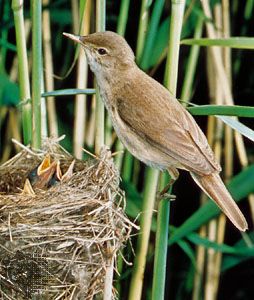
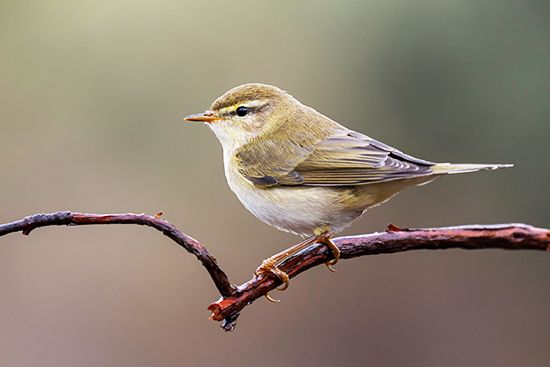
- Old World Warblers (Family Sylviidae): These birds are generally drab in appearance, featuring colors like green, olive, brown, and buff. They are found across Europe, Asia, Australia, and Africa.1
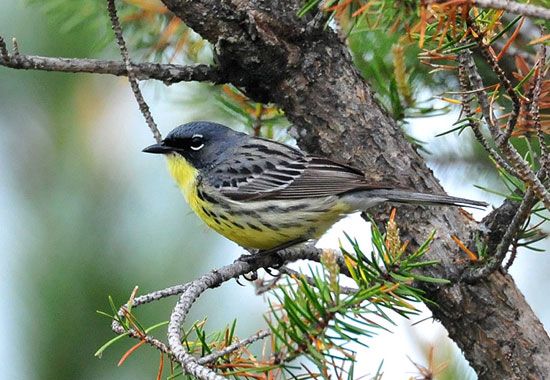
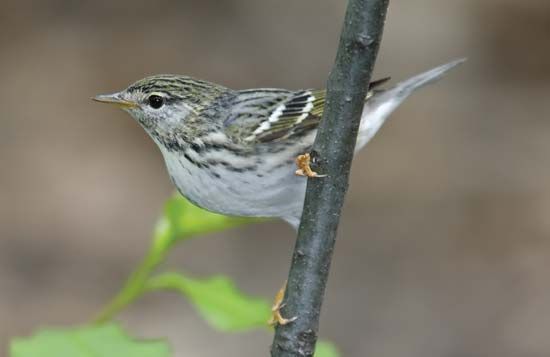
- New World Warblers (Family Parulidae): Also known as wood warblers, these birds are native to North and Central America. They are typically more brightly colored than their Old World counterparts, earning them the nickname “butterflies of the bird world”.12
While their names suggest a melodic quality, many warblers actually produce thin, dry, or buzzing songs rather than traditional warbling. They are generally small, ranging from 9 to 18 cm in length, and exhibit varied nesting habits, ranging from simple cups to domed structures placed in trees, bushes, or on the ground.12
How many species of warblers are there, and where are they commonly found?
There are approximately 470 species of warblers, categorized primarily into two distinct groups:
- Old World Warblers (Family Sylviidae): This group comprises almost 350 species. They are found predominantly across Europe, Asia, Australia, and Africa, though some species, such as kinglets and gnatcatchers, inhabit the Americas.1
- New World Warblers (Family Parulidae): Also known as wood warblers, this group includes about 120 species. They are primarily found in North and Central America, inhabiting forests, brush, and swampy grasslands. Species like the common yellowthroat have extensive ranges, breeding from Alaska and Canada down through the United States to Mexico.14
While these groups share similar habits and names, they are not closely related; the New World warblers are more closely linked to tanagers, whereas Old World warblers are related to thrushes and flycatchers.1
What are the key differences between Old World and New World warblers?
Old World and New World warblers are distinct groups of songbirds that share a name due to superficial similarities in form and habits, despite being taxonomically unrelated.13
Key Differences
- Taxonomy and Relationships: Old World warblers (family Sylviidae) are closely related to thrushes and flycatchers. In contrast, New World warblers (family Parulidae), or wood warblers, are more closely linked to tanagers.1
- Appearance: Old World warblers are generally drab, featuring colors like green, olive, brown, and buff. New World warblers are typically much more brightly colored, earning them the nickname “butterflies of the bird world”.13
- Geographic Distribution: Old World warblers are primarily found across Europe, Asia, Australia, and Africa. New World warblers are native to North and Central America.13
- Vocalizations: While both groups are known for their songs, many New World warblers produce thin, dry, or buzzing sounds rather than traditional warbling. Some Old World species are noted for having harsh voices, though vocal variety exists across both families.13
What is the difference between New World and Old World warblers?
Old World and New World warblers are distinct groups of songbirds that share a name due to superficial similarities in form and habits, despite being taxonomically unrelated.13
Key Differences
- Taxonomy and Relationships: Old World warblers (family Sylviidae) are closely related to thrushes and flycatchers. New World warblers (family Parulidae), or wood warblers, are more closely linked to tanagers. Anatomically, Old World warblers possess 10 primary feathers in each wing, whereas New World warblers have nine.14
- Appearance: Old World warblers are generally drab, featuring colors like green, olive, brown, and buff. New World warblers are typically much more brightly colored, earning them the nickname “butterflies of the bird world”.13
- Geographic Distribution: Old World warblers are primarily found across Europe, Asia, Australia, and Africa. New World warblers are native to North and Central America.13
- Vocalizations: Despite their name, New World warblers do not typically “warble”; they often sing in thin, dry, or buzzing voices. Many Old World species are noted for having harsh voices, though vocal variety exists across both families.31
Sources
- Warbler — Encyclopædia Britannica
- Kirtland’s warbler — Encyclopædia Britannica
- Wood warbler — Encyclopædia Britannica
- Sylviidae — Encyclopædia Britannica
- Common yellowthroat: Top Questions — Encyclopædia Britannica
Published on · 3 min read