Cowbird
A cowbird is any of five species of birds in the family Icteridae that are named for their tendency to associate with cattle to feed on insects disturbed by…
What is a cowbird and how does it differ from other bird species?
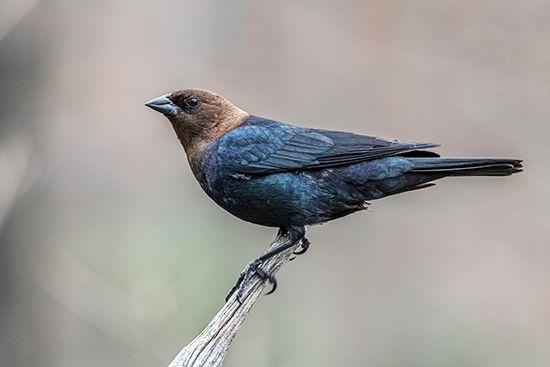
A cowbird is any of five species of birds in the family Icteridae that are named for their tendency to associate with cattle to feed on insects disturbed by the animals’ movement.1
Cowbirds differ from most other bird species primarily through their reproductive strategy known as brood parasitism. Unlike birds that build their own nests and provide parental care, female cowbirds lay their eggs in the nests of other bird species.21
Key differences include:
- Parental Care: Cowbirds provide no parental care to their offspring, leaving the host parents to raise the cowbird chick.21
- Competitive Advantage: A young cowbird often displaces the host’s own nestlings or outcompetes them for food, sometimes growing larger than the foster parents.1
- Host Impact: Cowbirds have been known to parasitize over 200 species, often contributing to the population decline of those host songbirds.1
How do cowbirds select their host nests for egg-laying?
Female cowbirds are prolific brood parasites, capable of laying up to 40 eggs in a single season, often at a rate of one egg per day. While the provided search results do not detail the specific selection criteria cowbirds use to identify host nests, they note that cowbirds are known to parasitize over 200 different species of birds.2
Unlike some other brood parasites, such as the European cuckoo, which often specialize in mimicking the egg appearance of a specific host to avoid detection, cowbirds utilize a broader range of hosts. When selecting a nest, a female cowbird may remove an existing egg from the host’s nest before depositing her own.24
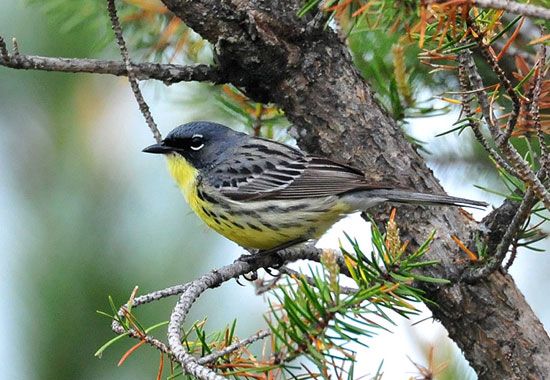
Host species have evolved various defenses against this behavior. For example, the Kirtland’s warbler can recognize foreign eggs and will respond by building a new nest directly on top of the parasitized one to protect its own offspring.5
What are some common host species targeted by cowbirds?
Cowbirds are known to parasitize the nests of more than 200 different bird species, with at least 140 of those species successfully raising cowbird nestlings at the expense of their own young.2
While the list of potential hosts is extensive, documented examples of species targeted by the brown-headed cowbird include:
- Common yellowthroats: These songbirds are frequently targeted by cowbirds.2
- Painted redstarts: Another species whose nests are utilized for brood parasitism.2
- Kirtland’s warblers: These birds are vulnerable to cowbird parasitism, though they have developed defensive behaviors such as building new nests over parasitized ones to protect their offspring.4
- Vireos: These birds are noted as being particularly vulnerable to cowbird parasitism, especially in urban fringe areas and near livestock.3
Some cowbird species are generalists that target a wide variety of birds, while others are more specialized, focusing their efforts on the nests of only one or two types of orioles.2
How do cowbirds practice brood parasitism and why?
Cowbirds practice brood parasitism as a reproductive strategy that allows them to bypass the significant time and energy costs associated with parental care, such as nest building, incubation, and feeding young.267
How Cowbirds Practice Parasitism
Instead of raising their own offspring, female cowbirds deposit their eggs into the nests of other bird species. This process typically involves the following behaviors:26
- Nest Selection: Cowbirds target the nests of over 200 different species, relying on the host to incubate and raise the cowbird chick as its own.26
- Egg Deposition: A female may lay up to 40 eggs in a single season, often at a rate of one per day. Before laying her own egg, she may remove one of the host’s eggs to reduce the likelihood of the host noticing the intrusion.26
- Competitive Advantage: Once hatched, the cowbird chick often outcompetes the host’s own nestlings for food, sometimes by being larger or more aggressive, which can lead to the decline of the host’s brood.28
Why They Practice Parasitism
The primary driver for this behavior is the avoidance of the high costs of reproduction. Parental care is resource-intensive and limits a bird’s ability to produce additional clutches or focus on its own survival. By offloading these responsibilities to other species, cowbirds maximize their own reproductive output without the physiological and temporal constraints of raising nestlings.72
Sources
- brood parasitism — Merriam-Webster
- Cowbird — Encyclopædia Britannica
- brown-headed cowbird — Merriam-Webster
- Kirtland’s warbler: Top Questions — Encyclopædia Britannica
- mimicry - Cuckoos — Encyclopædia Britannica
- parasitism — Encyclopædia Britannica
- kleptoparasitism: Top Questions — Encyclopædia Britannica
- Animal social behavior - Social interactions involving the costs and benefits of parental care — Encyclopædia Britannica
Published on · 3 min read