Wildflower
A wildflower is defined as any flowering plant that has not undergone genetic manipulation and grows without intentional human aid. These plants typically…
What defines a wildflower and how do they differ from cultivated flowers?
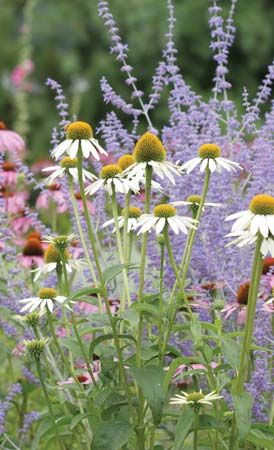
A wildflower is defined as any flowering plant that has not undergone genetic manipulation and grows without intentional human aid. These plants typically thrive in natural settings like woodlands, prairies, and mountains, and they serve as the ancestral source for all cultivated garden varieties.1
In contrast, cultivated flowers—or cultigens—are the result of domestication, a biological process where humans select for specific traits to increase a plant’s utility, such as larger fruits, seeds, or tubers. While wildflowers propagate naturally, cultivated plants often depend on human intervention for their long-term survival and reproduction.2
The distinction between these categories can sometimes be subjective. For example, a plant may be classified as a weed if it grows in a location where it is unwanted, such as a sunflower appearing in a cultivated field, even though that same plant is considered a wildflower in an uncultivated valley.1
What are some common types of wildflowers found in different regions of the world?
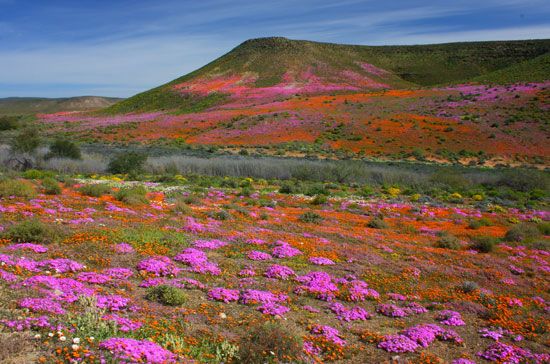
Wildflowers are flowering plants that grow without intentional human aid. While many are native to their specific regions, others are migrants that have spread across continents over time.1
Regional Examples
- North America and Europe: In these regions, many species are native, though some, such as the Ranunculus acris (a common buttercup), have become more widespread due to human-driven environmental changes like forest clearing. The Great Plains are home to species like the sunflower, which is considered a wildflower in uncultivated valleys but often labeled a weed when it appears in agricultural fields.1
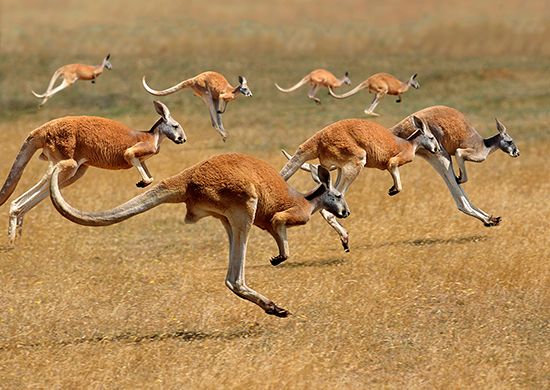
- Australia: The continent features a unique “autochthonous” element, including plants that evolved locally over millions of years. Iconic examples include the kangaroo paws (family Haemodoraceae), Banksia, and Hakea. Additionally, the genus Eucalyptus is highly diverse, with over 400 species adapted to environments ranging from rainforests to deserts.3
- Hawaii: Many of the bright flowers found in the Hawaiian Islands are not native; they were introduced from other tropical and subtropical regions and have since displaced many original, less-colorful native species.1
How do wildflowers reproduce and spread their seeds?
Wildflowers reproduce through a complex process of pollination, which involves the transfer of pollen from the anthers to a stigma of the same species. This process is facilitated by various agents, including wind, water, and animals such as bees, birds, bats, and insects.4
Once fertilization occurs, plants employ diverse strategies to disperse their seeds, ensuring their offspring can colonize new areas and avoid competing with the parent plant for resources:5
- Wind Dispersal (Anemochory): Many wildflowers use structures like wings, plumes, or feathery “pappus” (as seen in dandelions) to catch the breeze. Some, like tumbleweeds, break off and roll across open country, scattering seeds as they travel.67
- Animal Dispersal: Plants often rely on animals to move seeds. Some seeds have hooks or barbs that attach to fur or feathers, while others are encased in tasty fruits that animals eat and later deposit elsewhere. Certain plants even use “fecal mimicry” to trick dung beetles into burying their seeds.5
- Self-Dispersal: Some species, such as the squirting cucumber, use explosive force or osmotic pressure to launch seeds away from the parent. Others, like those exhibiting geocarpy, actively bury their fruits underground.8
- Water Dispersal: While less common for terrestrial wildflowers, some species utilize water to transport seeds, particularly those in coastal or wetland environments.5
What is the difference between a native plant and an invasive species?
The primary difference between a native plant and an invasive species lies in their origin and their impact on the local environment.
Native Plants
A native plant is one that is indigenous to a particular region, meaning it has grown or originated there naturally over time. These plants have evolved alongside other local organisms, often developing a balanced relationship with the surrounding ecosystem, including natural predators and competitors that keep their populations in check.1213
Invasive Species
An invasive species is a nonnative organism that significantly modifies or disrupts the ecosystem it colonizes. Unlike native plants, invasive species often lack natural predators in their new environment, giving them a competitive advantage. They may:13
- Outcompete native species for food, living space, and other essential resources.13
- Disrupt biodiversity by replacing native flora, sometimes leading to the localized extinction of indigenous species.13
- Cause ecological and economic harm, such as spreading diseases or pathogens that further damage the habitat.13
While some introduced species are benign, invasive ones—like Japanese knotweed or cheatgrass—can aggressively spread and permanently alter the landscape.1415
Sources
- Wildflower — Encyclopædia Britannica
- Origins of agriculture — Encyclopædia Britannica
- Australia - Plant life — Encyclopædia Britannica
- Seed - Dispersal by wind — Encyclopædia Britannica
- Angiosperm - Pollination — Encyclopædia Britannica
- Falling Far from the Tree: 7 Brilliant Ways Seeds and Fruits Are Dispersed — Encyclopædia Britannica
- Seed dispersal - Self-dispersal — Encyclopædia Britannica
- Pollination - Water — Encyclopædia Britannica
- Seed dispersal - Anemochory: wind dispersal — Encyclopædia Britannica
- Seed - Immature embryos — Encyclopædia Britannica
- Angiosperm - Seedlings — Encyclopædia Britannica
- invasive species — Encyclopædia Britannica
- Plant - Dispersal and colonization — Encyclopædia Britannica
- Japanese knotweed — Encyclopædia Britannica
- native — Merriam-Webster
Published on · 4 min read