Guarana
Guarana (Paullinia cupana) is a woody, climbing plant belonging to the soapberry family (Sapindaceae), native to the Amazon Basin. The plant is characterized…
What is Guarana?
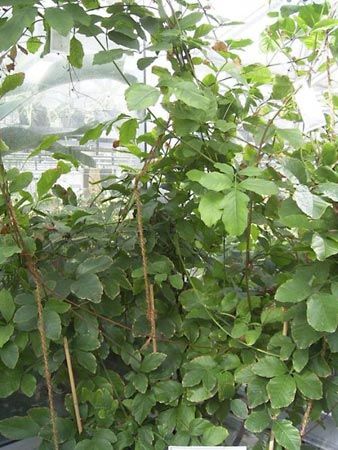
Guarana (Paullinia cupana) is a woody, climbing plant belonging to the soapberry family (Sapindaceae), native to the Amazon Basin. The plant is characterized by its smooth, erect stem, large leaves, and grape-sized fruit containing a single seed that resembles a tiny horse chestnut.1
The seeds are processed into a dried paste or roasted to create a popular stimulant drink in South America. This beverage is known for its bitter, astringent taste and a faint, coffee-like odor. Its stimulating effects are primarily due to its caffeine content, which is approximately three times higher than that of an equivalent amount of coffee. The drink also contains tannin, which provides its astringent quality, as well as saponin, starch, and various volatile oils.12
How does the caffeine in guarana affect the human body?
The caffeine found in guarana acts as a potent stimulant on the human body, primarily by affecting the central nervous system. Because guarana seeds contain approximately three times the caffeine concentration of coffee, these effects can be particularly pronounced.13
Caffeine functions by mimicking the structure of adenosine, a chemical that normally binds to receptors to signal a need for sleep. By blocking these receptors, caffeine prevents the onset of sleepiness, thereby increasing alertness and decreasing fatigue. Additionally, caffeine impacts the heart, blood vessels, and kidneys. In the kidneys, it inhibits adenosine activity to prevent water and sodium reabsorption, which produces a diuretic effect.3
While many consume it for enhanced motor performance and sensory activity, excessive intake can lead to adverse side effects, including:
What other plants are in the soapberry family?
The soapberry family, Sapindaceae, is a diverse group of approximately 1,925 species of flowering plants, primarily consisting of trees, shrubs, and lianas. The family includes several economically significant plants, ranging from popular fruits to common ornamental trees.45
Notable members of the Sapindaceae family include:
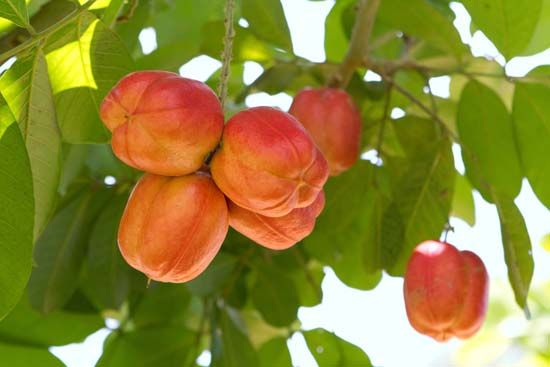
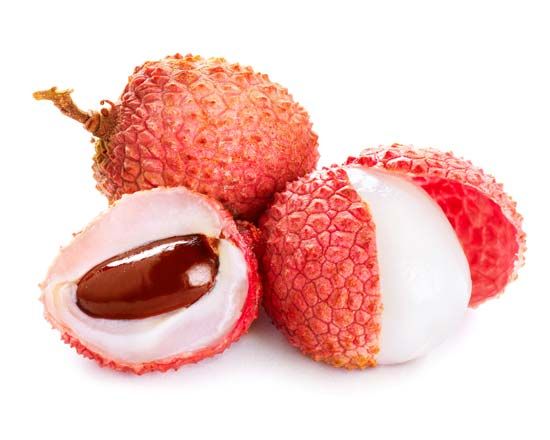
- Edible Fruits: Lychee, longan, rambutan, ackee, and Spanish lime (mamoncillo).45
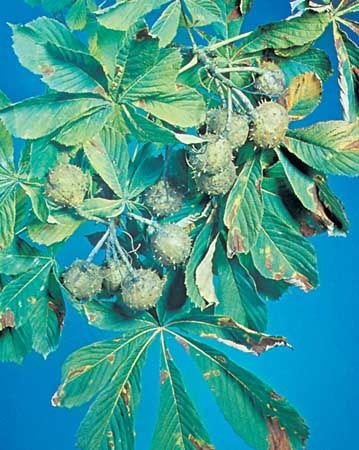
- Trees and Shrubs: Various species of maple (genus Acer), buckeye and horse chestnut (genus Aesculus), goldenrain tree, soapberry (genus Sapindus), and hopbush.45
- Vines and Lianas: Guarana, balloon vine, and the large genera Serjania and Paullinia.45
The family also includes plants with unique industrial or practical uses, such as the Ceylon oak, which is a source of macassar oil and hosts the insect that produces lac, a resin used to make shellac.5
How is the Amazon rainforest important to global biodiversity?
The Amazon Rainforest is the world’s most significant biological reservoir, serving as a critical global resource for biodiversity and climate regulation.789
A Global Biodiversity Hot Spot
The Amazon is considered a premier biodiversity hot spot, harboring approximately 10 percent of the planet’s known life forms. Its vast, continuous ecosystem supports millions of species, including:1011
- Diverse Flora: Over 40,000 plant species, ranging from towering trees like rosewood and Brazil nut to various palms and laurels. and laurels.911
- Rich Fauna: Millions of insects and invertebrates, alongside iconic wildlife such as jaguars, tapirs, manatees, and numerous monkey species.7811
Many of these organisms remain unrecorded by science, and the region acts as a vital genetic repository for the future.79
Ecological Importance
Beyond its species richness, the Amazon provides essential ecosystem services that sustain global health:
- Climate Regulation: As an efficient absorber of carbon dioxide, the forest plays a major role in mitigating global warming.89
- Hydrologic Cycle: The forest recycles moisture through transpiration, influencing rainfall patterns far beyond the basin.109
- Pharmaceutical Potential: The forest is a source of numerous pharmaceuticals, with many more potential life-saving compounds yet to be discovered.109
Sources
- guarana — Encyclopædia Britannica
- guarana — Merriam-Webster
- caffeine — Encyclopædia Britannica
- list of plants in the family Sapindaceae — Encyclopædia Britannica
- Sapindaceae — Merriam-Webster
- Sapindaceae — Encyclopædia Britannica
- Amazon Rainforest: Top Questions — Encyclopædia Britannica
- Why are rainforests so important? — Encyclopædia Britannica
- Amazon Rainforest — Encyclopædia Britannica
- Amazon River - Ecological concerns — Encyclopædia Britannica
- Amazon basin — Encyclopædia Britannica
Published on · 3 min read