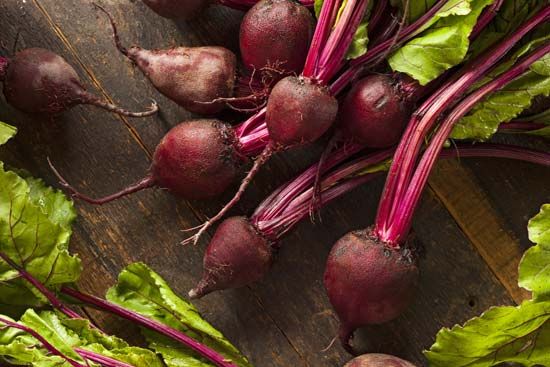
Goosefoot
Edible species within the genus Chenopodium, commonly known as goosefoot, offer notable nutritional value. The most economically significant member, quinoa…
What are the nutritional benefits of edible goosefoot species?
Edible species within the genus Chenopodium, commonly known as goosefoot, offer notable nutritional value. The most economically significant member, quinoa, is widely recognized for its highly nutritious seeds.1
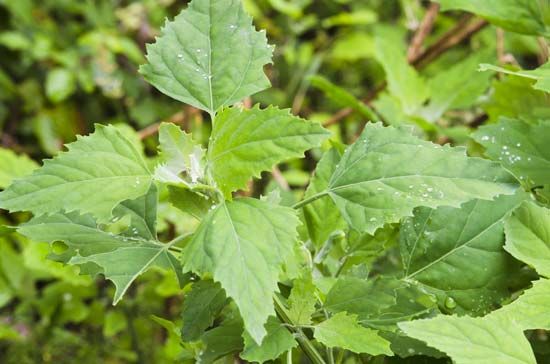
Another prominent species is lamb’s quarters (C. album), which is consumed as a food crop in various regions, including India. Both the leaves and seeds of this plant are edible. Additionally, Good King Henry (Blitum bonus-henricus) is valued for its leaves, which are similar to spinach in their culinary use.1
While these plants are part of the Amaranthaceae family and are often found in temperate regions, their specific vitamin or mineral profiles are not detailed in the available records.1
How are goosefoot plants used by humans, both historically and in modern times?
Goosefoot plants (genus Chenopodium) have served as vital resources for humans for thousands of years, transitioning from ancient staples to modern global commodities.
Historical Significance
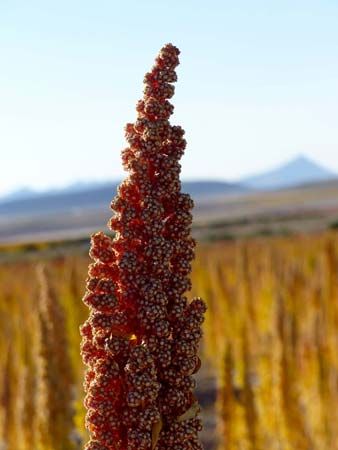
The most prominent species, quinoa, was domesticated 3,000–5,000 years ago in the Andean highlands. It served as a foundational crop for the Inca, Aymara, and Quechua peoples, alongside maize and potatoes. While early Spanish explorers introduced other New World crops to Europe, they largely ignored quinoa, potentially due to its religious significance to Indigenous peoples or the bitter taste of its natural saponin coating. Consequently, for centuries, it remained a marginal crop grown primarily by subsistence farmers.1
Modern Uses
In contemporary times, goosefoot species are utilized in several ways:
- Food and Nutrition: Quinoa is now a globally recognized “superfood” valued for its complete protein profile, fiber, and essential minerals. It is used in diverse culinary applications, from boiling like rice to grinding into flour for baking. Other species, such as lamb’s quarters, are consumed as leafy vegetables similar to spinach, particularly in regions like India.123
- Industrial Applications: The bitter saponins removed from quinoa seeds during processing are repurposed for industrial use. These compounds are utilized in the production of pharmaceuticals, soaps, detergents, cosmetics, beer, and fire extinguishers.1
- Agricultural Research: Due to their salt tolerance and frost resistance, goosefoot species are subjects of interest for food security programs and even space exploration, with NASA investigating quinoa for potential cultivation on long-term space missions.1
What are some common examples of plants in the goosefoot family?
The term “goosefoot” refers to the genus Chenopodium, which belongs to the Amaranthaceae family. While the taxonomy of this group is frequently updated based on molecular data, several well-known species are commonly associated with the genus:
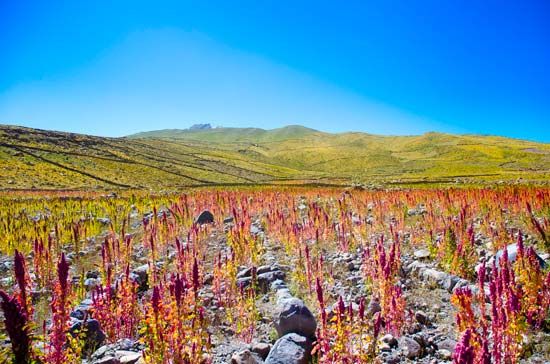
- Quinoa (Chenopodium quinoa): Native to the Andes, this is the most economically significant species, widely cultivated for its nutritious seeds.14
- Lamb’s quarters (C. album): Also known as pigweed, this is a common, widespread weed. Its leaves and seeds are edible, and it is cultivated as a food crop in regions such as India.145
- Good King Henry (Blitum bonus-henricus): Formerly classified as C. bonus-henricus, this is a deep-rooted perennial known for its edible, spinach-like leaves.1
- Feather geranium (Dysphania botrys): Formerly C. botrys, this species is occasionally grown in gardens and is recognized for its clusters of small flowers.1
The broader Amaranthaceae family also includes many other notable plants, such as beets, spinach, chard, and saltbush4.
What are the distinctive characteristics of goosefoot plants?
Goosefoot plants, belonging to the genus Chenopodium within the Amaranthaceae family, are characterized by several distinct features:
- Leaf Morphology: Many species possess leaves that resemble the foot of a goose, which is the origin of their common name. These leaves are often simple and may be arranged alternately along the stems.16
- Sensory Traits: These plants are frequently described as rank-smelling. Some species, such as the oak-leaved goosefoot, feature leaves that are farinose (covered in a mealy or powdery substance) beneath, sometimes with inflated white hairs.17
- Environmental Adaptability: Goosefoot plants are notably salt-tolerant and are commonly found in temperate regions worldwide, often thriving in saline soils.16
- Growth Habits: They can grow as annuals or perennials. While many are considered weedy, others are cultivated for their edible seeds or leaves.16
- Pigmentation: Like many members of the Amaranthaceae family, they may contain betalain pigments, which can give their stems, roots, leaves, or flowers a red coloration.6
Sources
- goosefoot — Encyclopædia Britannica
- quinoa — Encyclopædia Britannica
- lamb's-quarter — Merriam-Webster
- list of plants in the family Amaranthaceae — Encyclopædia Britannica
- lamb’s quarters — Encyclopædia Britannica
- Amaranthaceae — Encyclopædia Britannica
- oak-leaved goosefoot — Merriam-Webster
Published on · 3 min read