How Long Do Whales Sleep?
There is no universal duration for how long whales sleep, as rest patterns vary significantly by species and individual behavior. Unlike humans, whales are…
How long do whales sleep?
There is no universal duration for how long whales sleep, as rest patterns vary significantly by species and individual behavior. Unlike humans, whales are voluntary breathers and must remain conscious enough to surface for air, which they achieve through unihemispheric slow-wave sleep—a process where one half of the brain rests while the other remains alert.12
Rather than sleeping in one long stretch, most whales divide their rest into shorter periods. Observed behaviors include:1
- Sperm whales: Spend approximately 7 percent of their time in inactive drift dives, amounting to less than two hours per day. They often rest in vertical, upright positions for 10 to 15 minutes at a time.1
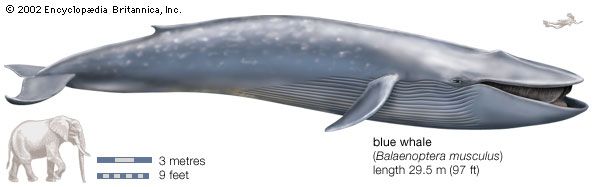
- Blue whales: Typically rest for short intervals of 10 to 20 minutes during slow drifts or dives.1
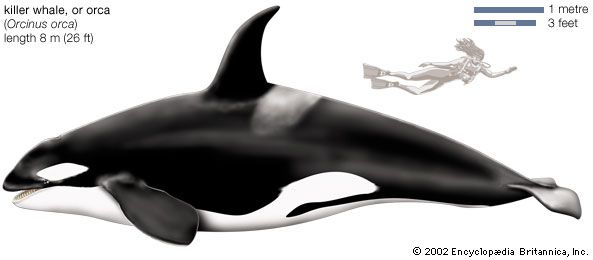
- Killer whales and Humpback whales: May rest for durations ranging from a few minutes to several hours, often engaging in “logging,” where they remain nearly motionless at or just below the water’s surface.1
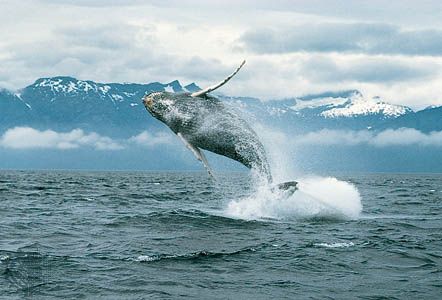
What is unihemispheric slow-wave sleep?
Unihemispheric slow-wave sleep is a specialized biological process that allows cetaceans, such as whales and dolphins, to rest while remaining conscious enough to survive.12
Unlike humans, who are automatic breathers, whales are voluntary breathers that must consciously surface to inhale air to avoid drowning. To accommodate this, they utilize a form of sleep where one hemisphere of the brain rests while the other remains active and alert.12
This mechanism provides several critical advantages:
- Breathing regulation: It ensures the animal maintains the awareness necessary to surface for air.12
- Environmental awareness: It allows the whale to monitor its surroundings for potential threats while part of the brain is in a state of rest.12
- Physical control: It enables the animal to continue moving or adjusting its position in the water when necessary.2
How do whales breathe while they are sleeping?
Whales breathe while sleeping by utilizing a specialized process called unihemispheric slow-wave sleep. Because cetaceans are voluntary breathers—meaning they do not breathe reflexively like terrestrial mammals—they must remain conscious to avoid drowning.13
To manage this, one hemisphere of the whale’s brain remains active while the other rests. This allows the animal to maintain the awareness necessary to surface for air and monitor its environment for potential threats. Large whales often sleep by floating horizontally just below the water’s surface, periodically moving their flukes to rise and take a breath. During these rest periods, they perform an explosive ventilation known as a blow, which allows them to exchange up to 80 percent of their lung volume in a single breath.13
What is the difference between logging and drift diving?
The terms “logging” and “drift diving” refer to distinct resting behaviors observed in whales as they manage their need for sleep while remaining voluntary breathers.
Logging
Logging is a surface-resting behavior where a whale remains nearly motionless at or just beneath the water’s surface. The term is derived from the animal’s appearance, which resembles a floating log. During this state, whales can remain still for periods ranging from several minutes to several hours. This position allows them to easily access the surface to breathe and monitor their surroundings for potential threats.2
Drift Diving
Drift diving is a form of inactive rest that occurs while the whale is submerged. Unlike logging, which is surface-oriented, drift diving involves the whale descending or remaining at depth in a state of reduced activity. Research on sperm whales has identified these dives as being associated with sleep. During these periods, the whale may drift slowly through the water column, often utilizing unihemispheric slow-wave sleep to maintain the necessary level of consciousness to eventually return to the surface for air.2
Sources
- Do whales sleep? — Encyclopædia Britannica
- How long do whales sleep? — Encyclopædia Britannica
- cetacean - Breathing and diving — Encyclopædia Britannica
- cetacean - Respiration — Encyclopædia Britannica
- What Is a Whale Graveyard? — Encyclopædia Britannica
- thoracic squeeze — Encyclopædia Britannica
Published on · 3 min read