What Do Cheetahs Eat?
Cheetahs are carnivores that primarily consume meat to support their active, high-energy lifestyle. Their diet consists of a variety of small animals and…
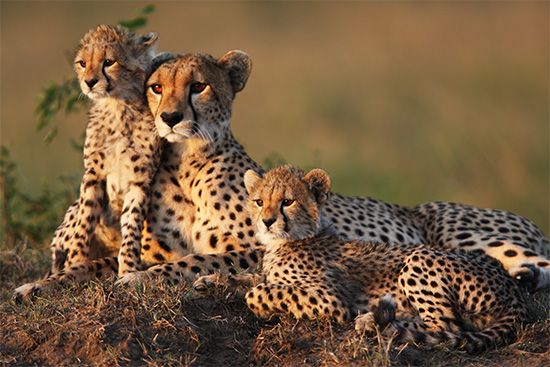
What do cheetahs eat?
Cheetahs are carnivores that primarily consume meat to support their active, high-energy lifestyle. Their diet consists of a variety of small animals and antelope species, including:123
- Small animals: Game birds, rabbits, and young warthogs.21
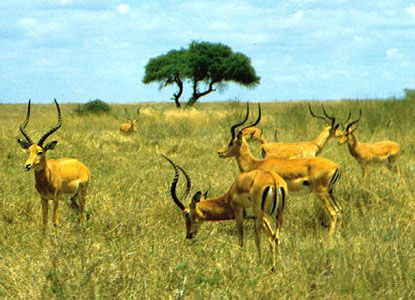
- Small antelopes: Springbok, impala, and gazelle.23
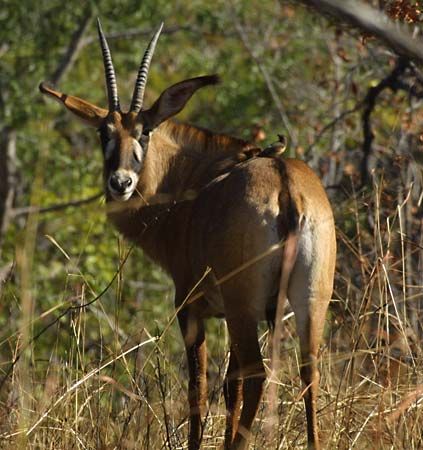
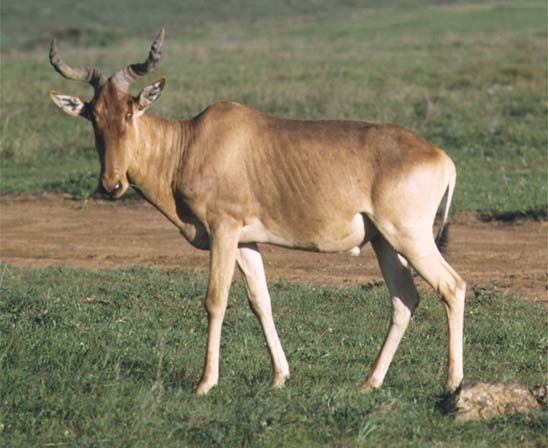
- Larger antelopes: Kudu, hartebeest, oryx, and roan.23
Cheetahs typically hunt during the early morning or late afternoon. Because they are often outcompeted by larger predators like lions, leopards, jackals, and hyenas, they generally consume their prey quickly after a successful hunt.3
Why do cheetahs eat their prey so quickly after a hunt?
Cheetahs consume their prey rapidly after a hunt primarily to avoid losing their meal to competitors. Because cheetahs are often outmatched in size and strength by other large predators, they are frequent targets of kleptoparasitism—a feeding strategy where one animal steals food from another.13
Competitors such as lions, leopards, hyenas, and jackals often use their superior numbers or physical strength to chase a cheetah away from its kill. By eating quickly, the cheetah attempts to secure as much of its hard-earned energy as possible before these stronger animals can intervene.13
What physical adaptations allow cheetahs to reach such high speeds?
Cheetahs are the world’s fastest land animals, capable of reaching speeds up to 114 km (71 miles) per hour. Their remarkable sprinting ability is the result of several specialized physical adaptations:
- Skeletal Structure: Cheetahs possess proportionally longer legs than other big cats and an elongated spine, which significantly increases their stride length during high-speed runs.43
- Traction: Unlike most cats, cheetahs have nonretractable claws and hard foot pads. These function similarly to tire treads or athletic cleats, providing the necessary grip for rapid acceleration and sharp turns.43
- Balance: A long, muscular tail acts as a rudder, providing essential balance during intense, high-speed chases.43
- Physiological Support: Internally, cheetahs are built for endurance during short bursts of activity. They possess large hearts, lungs, bronchi, and nasal passages to support high oxygen intake, as well as large livers and adrenal glands to manage the intense physiological demands of a sprint.43
These traits allow them to accelerate from 0 to 96.5 km (60 miles) per hour in under three seconds.4
Which other predators compete with cheetahs for food in the wild?
In the wild, cheetahs face significant competition for food from several larger or more aggressive predators that engage in kleptoparasitism, a behavior where one animal steals a kill from another.15
The primary predators that compete with and steal prey from cheetahs include:
- Lions: As formidable predators, lions frequently scavenge or forcefully take fresh kills from cheetahs.254
- Hyenas: These animals often use their strength in numbers to chase cheetahs away from their hard-earned meals.15
- Leopards: Like other large carnivores, leopards may compete with cheetahs for food resources.15
- Jackals: These smaller predators also pose a threat to a cheetah’s kill, often forcing the cheetah to abandon its prey.5
Because cheetahs are often outmatched by these competitors, they have evolved to consume their prey as quickly as possible to minimize the risk of losing their meal.5
Sources
- cheetah: Top Questions — Encyclopædia Britannica
- What do cheetahs eat? — Encyclopædia Britannica
- cheetah — Encyclopædia Britannica
- How fast are cheetahs? — Encyclopædia Britannica
- kleptoparasitism — Encyclopædia Britannica
- kleptoparasitism: Top Questions — Encyclopædia Britannica
- Did you know? — Merriam-Webster
- lion - Hunting — Encyclopædia Britannica
- 9 of the World’s Deadliest Mammals - Lions ( Panthera leo ) — Encyclopædia Britannica
Published on · 2 min read